A round table at the UN, a big number, and three new flags
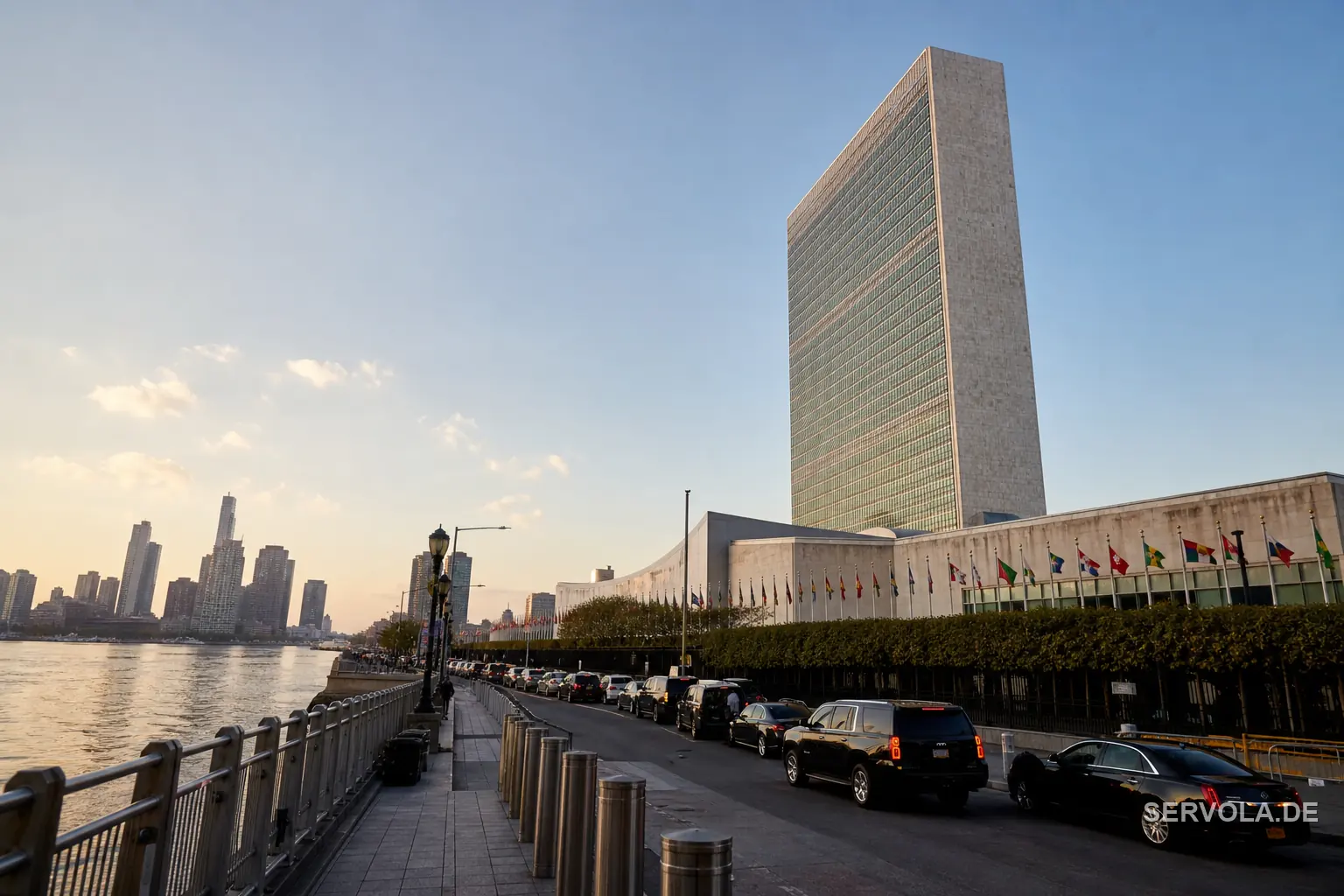
On September 23, Microsoft Vice Chair and President Brad Smith sat down with government representatives from the United Arab Emirates, Saudi Arabia, Qatar and Kuwait on the sidelines of the UN General Assembly in New York. The headline out of that meeting was more than $10 billion in Microsoft capital and operating spending across the four countries through 2030, alongside a new digital resilience initiative offering assessments, reference architectures and continuity planning to Gulf organizations.
Three of those four countries are new to a named Microsoft regional pledge. That is the real news in the announcement: Saudi Arabia, Qatar and Kuwait now sit inside a formal Microsoft investment framework for the first time, alongside connectivity spending of more than $400 million tied to the SeaMeWe-6 subsea cable system landing in Qatar, Saudi Arabia and the UAE.
The number already existed
Bloomberg's reporting on the same day put a figure on how much of the $10 billion was actually new: about $2 billion. The rest, $7.9 billion, is the 2026-to-2029 portion of a UAE-only pledge Microsoft made in a separate blog post on November 3, 2025, titled, plainly, "Microsoft's $15.2 Billion USD Investment in the UAE."
That earlier post breaks its own total into two windows: $7.3 billion already spent or committed through the end of 2025, and $7.9 billion planned for 2026 through 2029, covering continued AI and cloud infrastructure expansion plus operating costs. It is that second, forward-looking slice, $7.9 billion, that reappears ten months later as the anchor of a four-country total that reads, at a glance, like four countries' worth of fresh commitment.
Why the repackaging works, and why it matters to you
Nothing in the September 23 announcement is false. Microsoft never claims the $10 billion is entirely incremental, and the UAE money genuinely will be spent in the years the new framework covers. But a reader who takes the headline at face value walks away thinking Microsoft just put a fresh ten-figure sum behind four Gulf economies equally. The real shape is one large, already-public commitment to one country, plus a comparatively modest new pledge spread across three others.
This is not a Microsoft-specific trick. Any vendor announcing a regional investment total that spans multiple years and multiple prior press releases can produce a bigger, newer-sounding number simply by widening the geographic frame around money that was already moving. If you are a Gulf enterprise, a competing cloud vendor, or an investor sizing up AI infrastructure claims, the question worth asking of any such headline is not just the total, but the first date each major line item was previously announced.
The strategic backdrop: G42, sovereign cloud, and the China question
The framework also references ongoing work with G42, the UAE's state-linked AI champion in which Microsoft holds a stake, and Sovereign Public Cloud and Sovereign Private Cloud offerings for the region. Gulf governments have spent two years explicitly courting both Washington and Beijing for AI infrastructure and chip access, using each side's offer to negotiate better terms from the other. A steady drumbeat of headline Microsoft numbers, whether mostly new or mostly reused, is itself a tool in that negotiation: it signals continuity of US commitment to partners who have other options.
Read next: Windows Gets a Cloud-Free Way to Run Big AI | Activision Is Absorbing Xbox's Original Studios