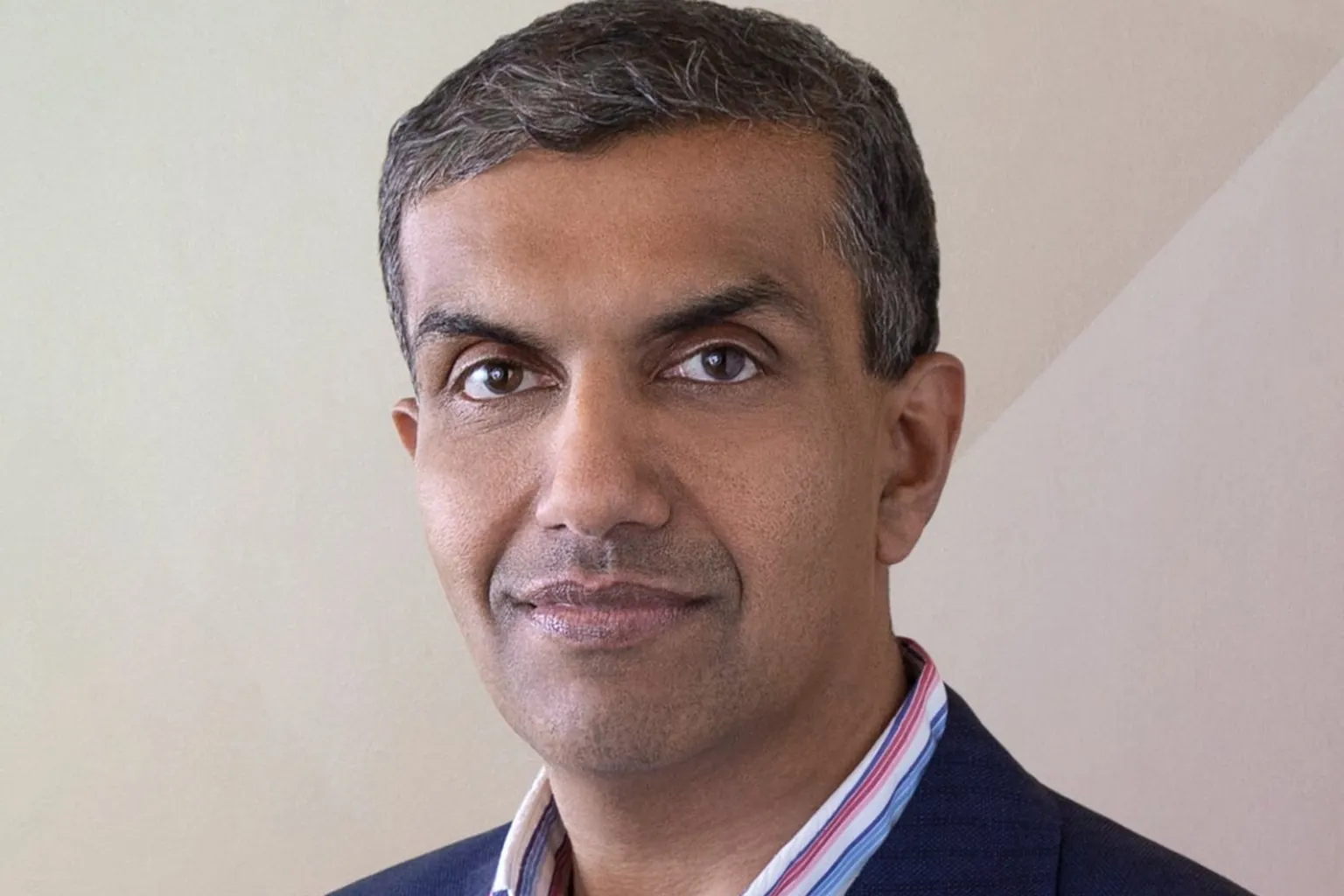
The Day Before Investor Day
MongoDB had its 2026 Investor Day on the calendar, the kind of event a public company spends weeks preparing for so that Wall Street analysts leave the room believing in the roadmap. One day before it, the company had to tell those same analysts that the man they were flying in to hear from, CEO Chirantan "CJ" Desai, had already accepted a different job.
Meta announced Desai as its new Chief Enterprise Platform Officer, reporting directly to Mark Zuckerberg. MongoDB shares fell roughly 24 percent in pre-market trading on September 28, sliding to about 312 dollars a share, a level that implies the stock was trading near 410 dollars just the session before.
| Metric | Before the announcement | After |
|---|---|---|
| Share price | about 410 dollars | about 312 dollars (-24 percent) |
| Market value | about 27 to 29 billion dollars | about 21 to 22 billion dollars |
| Chief executive | Chirantan Desai | Dev Ittycheria (interim) |
What Meta Is Actually Buying
Meta Enterprise Platform is not a small feature. Why it matters: Zuckerberg said the division exists because "superintelligence will create significant new opportunities for all people and businesses," and it bundles Meta's Muse agent, Muse API, Muse Code and Meta Business Agent into one package aimed at the market Amazon Web Services and Google Cloud already own. This is Meta selling infrastructure and agents to other companies for the first time, not only serving its own billions of users.
Desai is not a random hire for that job. Before MongoDB he ran product and engineering at Cloudflare and spent nearly eight years at ServiceNow, including as president and chief operating officer, the exact resume for a business Meta has never run before: selling enterprise software to companies that expect a vendor relationship, not a social feed.
The Price of a Person, Not a Platform
The bottom line: a market that reprices a public company by nearly a quarter within hours of one resignation is not reacting to a strategy change. It is telling you how much of that company's credibility with investors was ever attached to a specific name rather than to the product underneath it.
MongoDB's board understood this and skipped a search entirely. It reinstalled Dev Ittycheria, the executive who ran MongoDB as CEO from 2014 to 2025 and grew it from about 35 million dollars in annual revenue to more than 2 billion, as interim leader in the same announcement, spending a known and trusted name to buy back some of the confidence the market had just taken away.
The Test for Anyone Choosing a Vendor
Every owner evaluating an enterprise software or AI vendor is implicitly betting on a roadmap. This week the market put an exact price on how much that bet depends on one person staying in the job: 24 percent of a public company's value, gone within hours of a resignation letter.
Ask two concrete questions before committing budget to any vendor's platform: who besides the named champion in your contract already knows how to run this if that person leaves, and has the vendor ever actually proven a handoff like MongoDB just did. A company with a bench and a board willing to use it in public is a safer bet than one that only ever has a single founder on the roadmap slides.
Read next: 60 Percent Team Cuts Were The Plan. Meta Stopped. | IBM Bets Its Consulting Arm on One AI Vendor