A funding round that confirms a demotion
Groq closed a 350 million dollar funding round on August 17, 2026, led by the Dallas-based investment firm Disruptive, at a 3.5 billion dollar valuation. Roughly a year earlier, in September 2025, the company was valued at 6.9 billion dollars. The new round is not a rescue by outsiders alone: Nvidia, the company whose market dominance Groq was built to challenge, is itself set to invest in this round, according to a Groq representative.
A funding round at half the prior valuation is normally read as a market correction. Here it also confirms a change in what Groq is. It entered 2025 as one of the few credible chip challengers claiming it could beat Nvidia on inference cost and latency. It closes this round as a company whose own former leadership now works for the vendor it was trying to unseat.
How you defang a rival without buying it
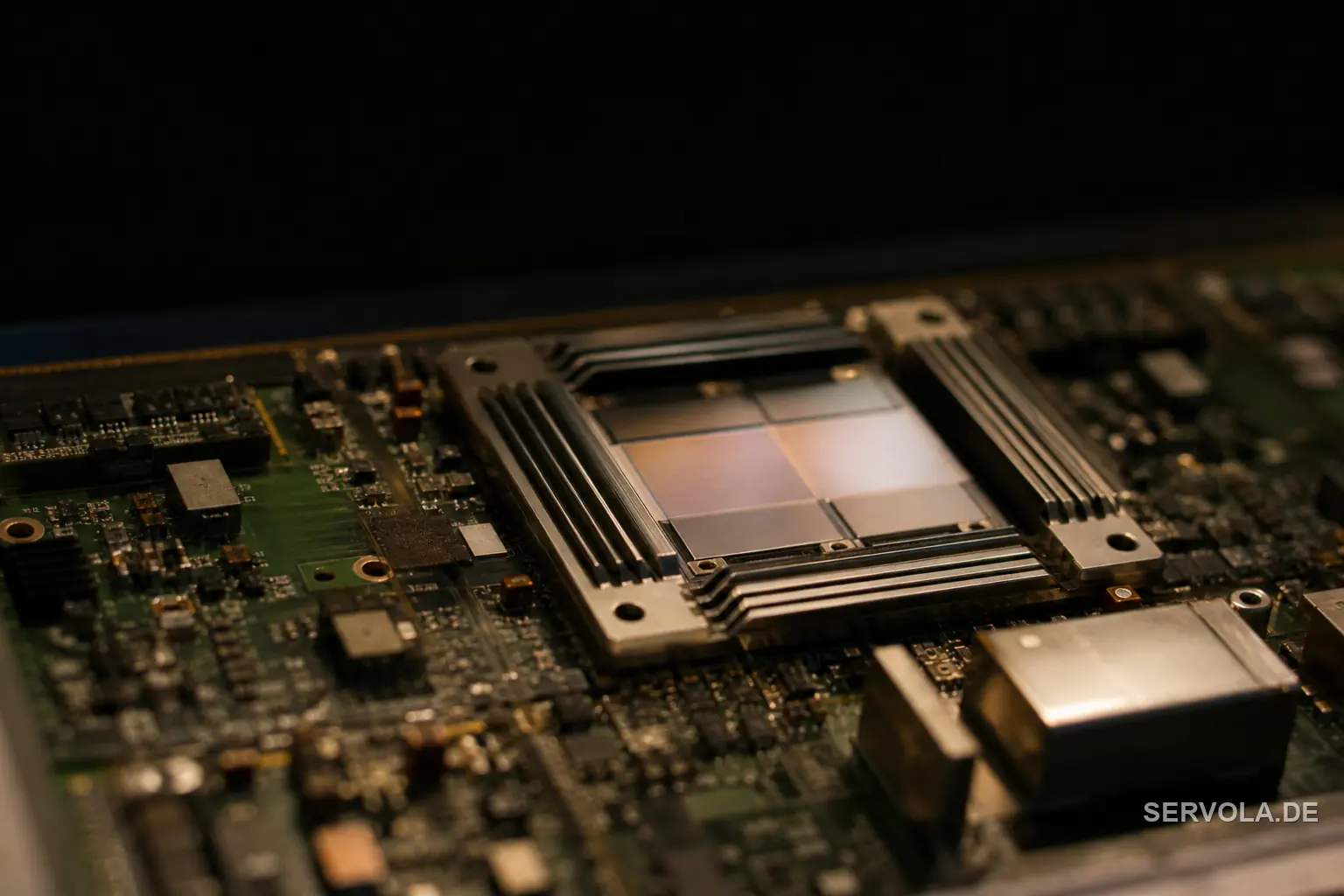
The mechanism behind the drop is a December 2025 agreement in which Nvidia paid Groq approximately 20 billion dollars to license its chip technology, while hiring away Groq founder and chief executive Jonathan Ross and a group of his key engineers. Nvidia did not acquire Groq. It licensed the technology and hired the people who understood it best, a structure that achieves much of what an acquisition would without triggering the antitrust and merger-control review that a formal takeover of a rival chipmaker would normally invite.
For a market where regulators on both sides of the Atlantic have spent years scrutinizing Nvidia's position in AI compute, that distinction matters. A licensing-and-hiring deal is not currently treated the same way as a merger, even when its practical effect, an independent challenger losing its founder, its core team and a large share of its market value within a year, looks a great deal like one.
From chip vendor to a much smaller cloud
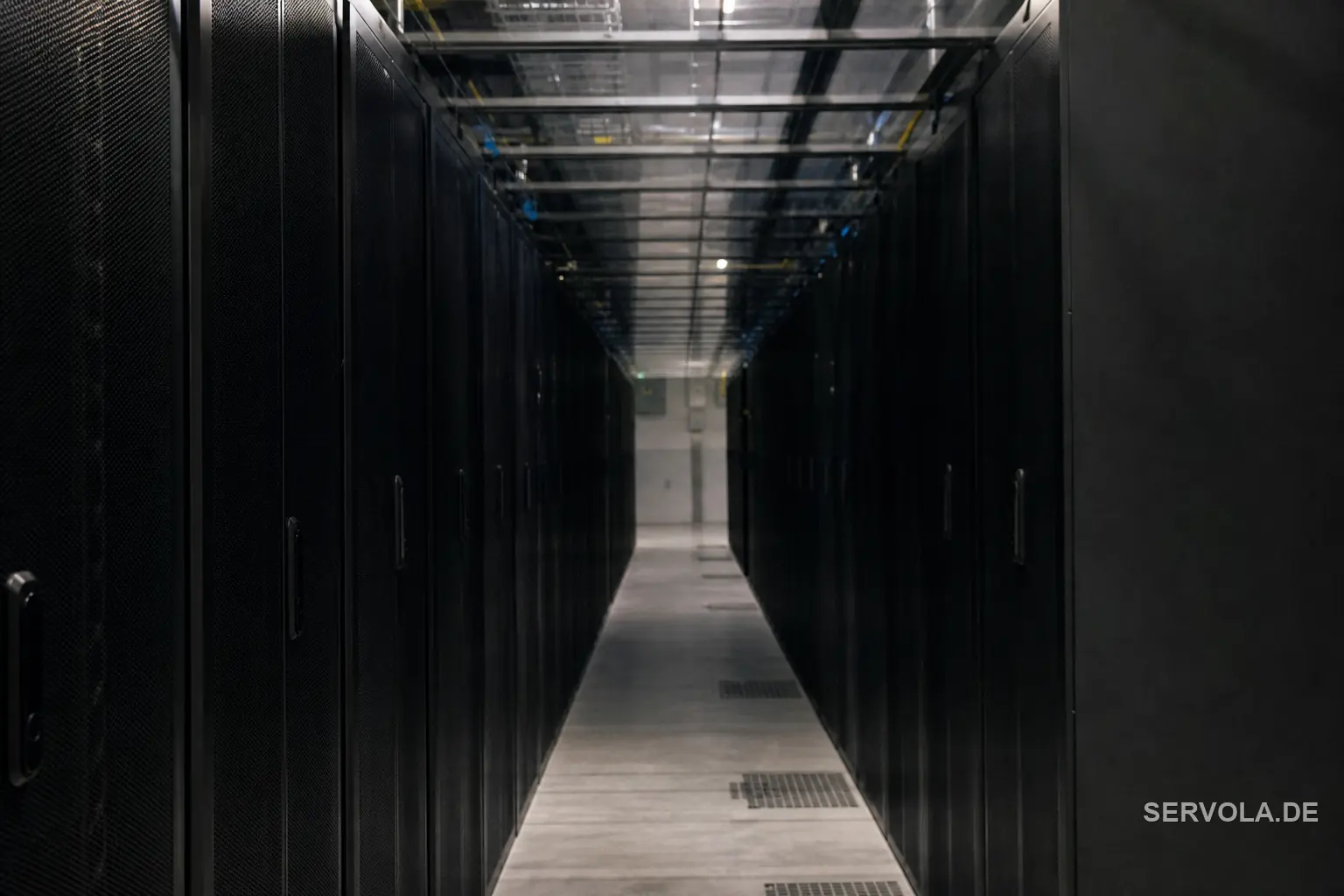
Stripped of the leadership that set its hardware roadmap, Groq has repositioned itself as what it calls a leading AI inference cloud, a data center operator running other companies' models on infrastructure rather than a company selling customers its own chips as a direct Nvidia alternative. That is a materially different business than the one investors backed at 6.9 billion dollars, and the valuation cut reflects it: inference-cloud capacity is a far more commoditized, margin-thin business than owning a proprietary chip architecture with a defensible cost advantage.
Nvidia's continued involvement, investing in the very round that prices Groq at half its former value, underlines how completely the balance of power shifted. The company that once supplied Groq's chief rival narrative now sits on its capitalization table.
What this means for a multi-vendor hedge
European enterprises that added a second or third AI-inference vendor specifically to reduce single-supplier exposure to Nvidia's pricing and allocation decisions should treat Groq's trajectory as the concrete version of a risk that was previously theoretical. A challenger chipmaker's independence is not just a function of its balance sheet or its next funding round; it is a function of whether the incumbent it competes against can simply buy the people and license the technology that made it dangerous, without buying the company itself.
The practical test for any procurement team relying on a non-Nvidia inference vendor for diversification is not only whether that vendor is still solvent, but whether its founding team, its core engineers and its original technical thesis are still intact. A contract signed with a chip challenger can survive a funding round; it does not automatically survive its founder taking a job at the incumbent it was built to beat.
Read next: The Merger Filing Nvidia Never Made | Nvidia's $250bn OpenAI Guarantee Fell To $120bn