What Was Reported
According to a report first published by The Information on August 7, 2026, and independently distributed via the Reuters newswire, Nvidia is preparing to invest up to $3 billion in Lancium, a power-infrastructure developer backed by Blackstone. The structure described in that reporting has Nvidia putting in an initial $2 billion for roughly a 20 percent stake, with the option to add up to $1 billion more if Lancium clears certain grid-connection milestones. The reported terms value Lancium's land-and-power-connection portfolio at an enterprise value of around $10 billion.
Reuters said it sought comment from both companies and that neither Nvidia nor Lancium responded. That matters: nothing here is an official confirmation from either party, and this article treats it as reported, not as a closed transaction.
Who Lancium Actually Is
Lancium is easy to misread as just another data-centre operator. It is not. Its core asset is the 1,000-acre Lancium Clean Campus in Abilene, Texas, which stands as the first operational site of the Stargate initiative, the joint venture between OpenAI, SoftBank and Oracle first announced in January 2026 with plans to invest up to $500 billion in AI infrastructure. What Lancium sells is not floor space or racks; it is years of accumulated grid-interconnection queue position and the physical rights to actually pull enough electricity onto a site to run a gigawatt-scale AI campus.
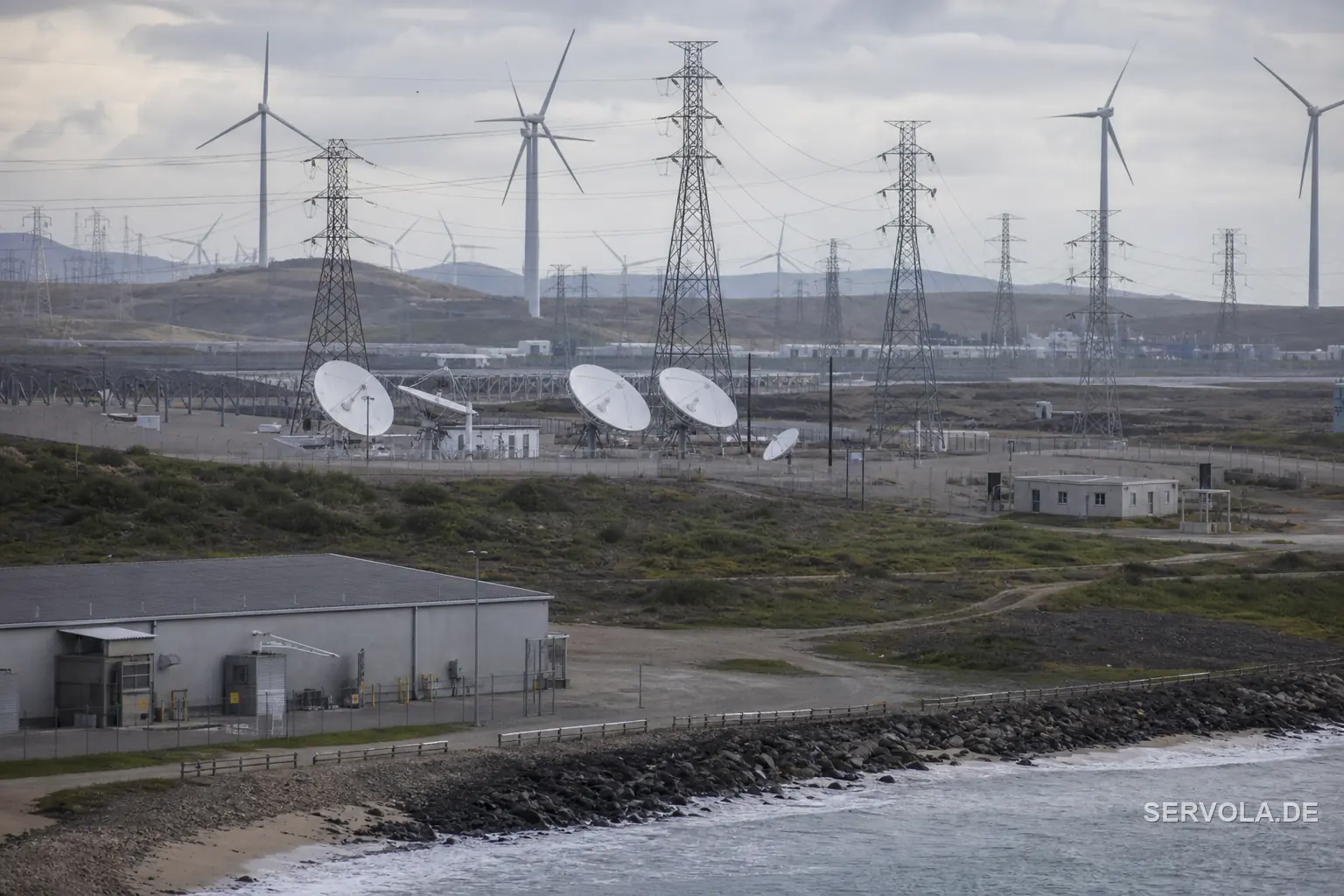
That distinction is the entire story. A data-centre shell can be built in under two years. A grid connection capable of feeding it reliably routinely takes five to ten years or longer to secure, because it depends on utility studies, transmission upgrades and a queue of other projects ahead of you. Lancium's business is having already done that work.
Why a Chip Company Is Buying Power Rights
Nvidia does not build data centres and does not operate power plants. A chipmaker spending real capital on a stake in a grid-interconnection specialist, rather than on more fabrication capacity or software, is the clearest signal yet that the binding constraint on AI buildout has moved. For the last several years the scarce input was GPU supply. Increasingly, the scarce input is the electricity to run the GPUs once they exist, and the queue position needed to get that electricity connected at all.
Lancium's reported IPO plans for 2027 add another layer: if grid-connection rights themselves become a listable, tradable asset class, that confirms power infrastructure has become a strategic holding in its own right, not a cost line item a data-centre operator negotiates once and forgets.
The Lesson for EU and UK Operators
European and British readers should not treat this as an only-in-Texas story. Grid-interconnection queues of five to ten years or longer are already well documented in several European markets, and they are the same structural bottleneck the US is now racing to buy its way around by having a compute vendor take an equity stake directly in the infrastructure layer. For any EU or UK operator planning AI capacity, colocation, or a large compute deal, the operating lesson is blunt: securing grid capacity and interconnection queue position early, before a data-centre design is even finalised, may end up mattering more than securing chip allocation. Nvidia just put a public price on that idea.
Read next: Europe's Pension Funds May Buy a Circular AI Bet | Nvidia Buys the Hub Your Open AI Stack Runs On