A $35 Billion Deal With Nvidia Playing Three Parts
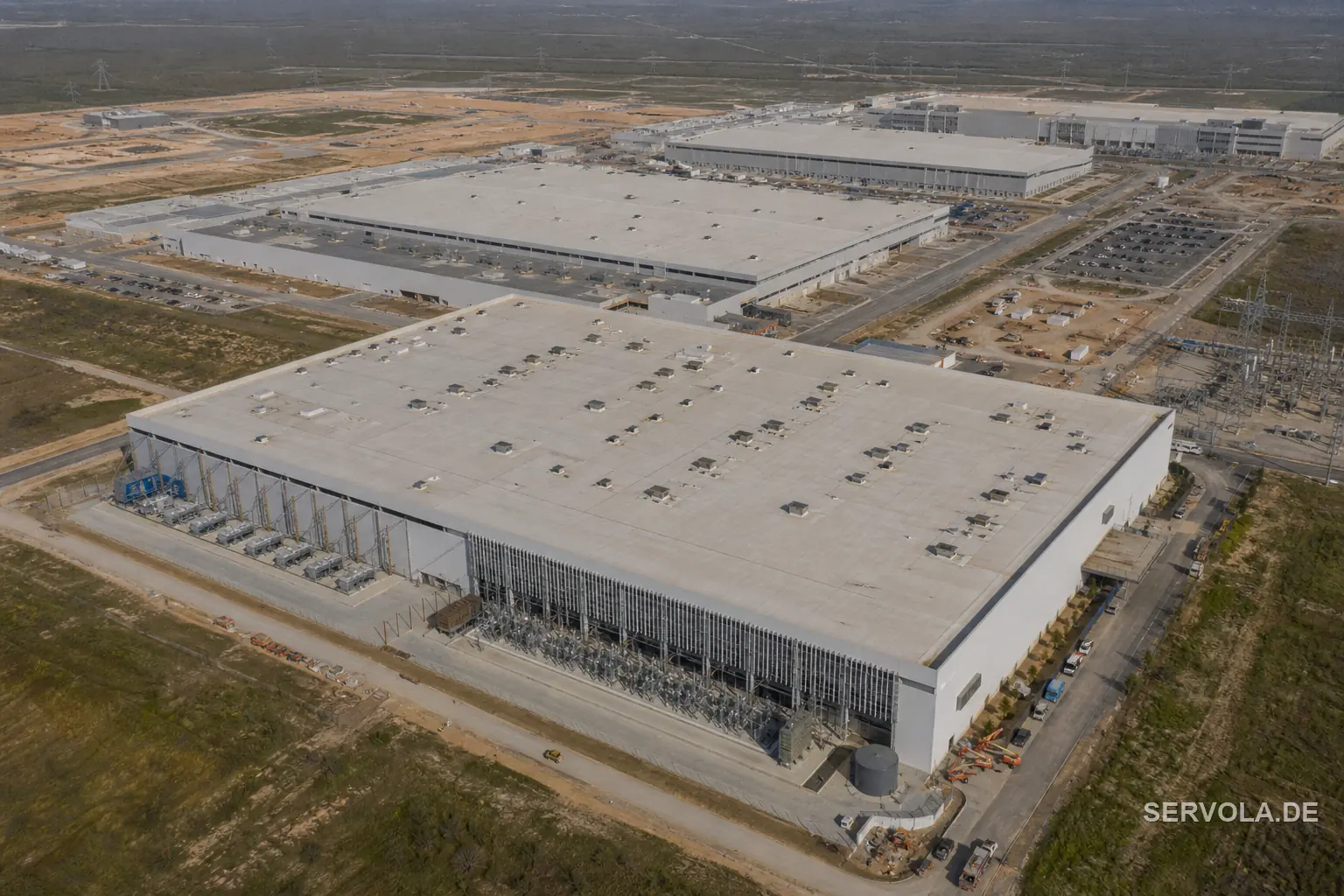
Anthropic has signed a $35 billion cloud-compute agreement with Lambda, a cloud-compute provider backed by Nvidia, Bloomberg reported on August 31, 2026, with Forbes and Yahoo Finance corroborating the terms in the days that followed. The capacity is anchored at a roughly 350-megawatt data-center site in Nueces County, Texas, that Hut 8 is developing specifically to serve this contract. A facility of that size sits at the upper end of what a single AI lab typically commits to at one site, which is part of why the deal drew attention beyond the usual trade-press cycle. It also lands at a moment when several AI labs are locking in multi-year compute capacity well ahead of when any of it will actually power a product.
The detail that stands out is not the price tag, it's the shape of the deal. Nvidia shows up three times in the same transaction chain: as the chip supplier equipping the facility, as an equity backer of Lambda itself, and as a financial party effectively underwriting the site's build-out through its relationships in the deal. A single company supplying the hardware, holding a stake in the customer, and standing behind the financing is not how compute deals used to look even two years ago, when chipmakers, cloud providers, and financiers were more often separate parties with separate incentives. That older structure meant at least three sets of eyes independently judged whether a site made commercial sense before money moved. Here, one company's judgment carries weight in every seat at the table.
Eighty Billion in Commitments, One Name on Every Line
The Lambda agreement is one part of roughly $80 billion in new infrastructure commitments Anthropic has disclosed within the same stretch of days at the end of August and start of September 2026. The other major piece is a previously reported $45 billion deal with Nscale for a data-center site in West Virginia, struck separately from the Lambda arrangement but disclosed close enough in time that trade press has started treating the two as a single wave of spending. Two sites, two counterparties, and roughly $80 billion committed inside a handful of weeks is an unusually fast pace even by the standards of a sector that has gotten used to headline-grabbing numbers.
Laid side by side, the numbers show how concentrated this buildout has become around a small set of counterparties, and how much of Anthropic's near-term compute future now depends on a handful of sites still under construction rather than capacity already running. Both facilities are still being built, so the $80 billion figure describes committed spending and contracted capacity rather than infrastructure that is live today.
| Commitment | Value |
|---|---|
| Lambda deal (Nueces County, Texas) | $35 billion |
| Nscale deal (West Virginia) | $45 billion |
| Total new commitments disclosed | $80 billion |
| Anchor facility capacity | approximately 350 megawatts |
What Circular Financing Means for Reading These Deals
None of this makes the Lambda deal improper, and it isn't a claim that Anthropic or Nvidia have done anything wrong. Both are large, legitimate companies executing a legal transaction that plenty of other AI infrastructure deals in 2026 resemble in structure, if not in scale. What it does mean is that Nvidia's incentive to confirm the deal's scope and durability in public is aligned with its own balance sheet, not with handing outside analysts a clean, independent read on whether the capacity actually gets built and delivered on schedule. That gap between a company's incentive to confirm and an outsider's need to verify is the actual structural risk here, and it has nothing to do with whether either party is acting in good faith.
For an EU or UK operator sizing up AI compute claims from the outside, that structure makes independent verification harder rather than easier, because the loudest confirming voice in the chain has a direct financial stake in the answer sounding solid. The practical response is not to distrust every announcement, but to ask your own cloud provider, GPU broker, or colocation partner who else sits on the other side of their contracts, whether as chip supplier, equity holder, or financier, before treating a signed capacity commitment as capacity that is guaranteed to be delivered. The same question applies closer to home, to any regional cloud or colocation deal that leans on a single vendor for chips, equity, and financing all at once.
Read next: Riot's $9.1 Billion AI Tenant Has No Name | Even a Trillion-Dollar Lab Must Rent Its Compute