A field in Louisiana that swallowed a plan five times over
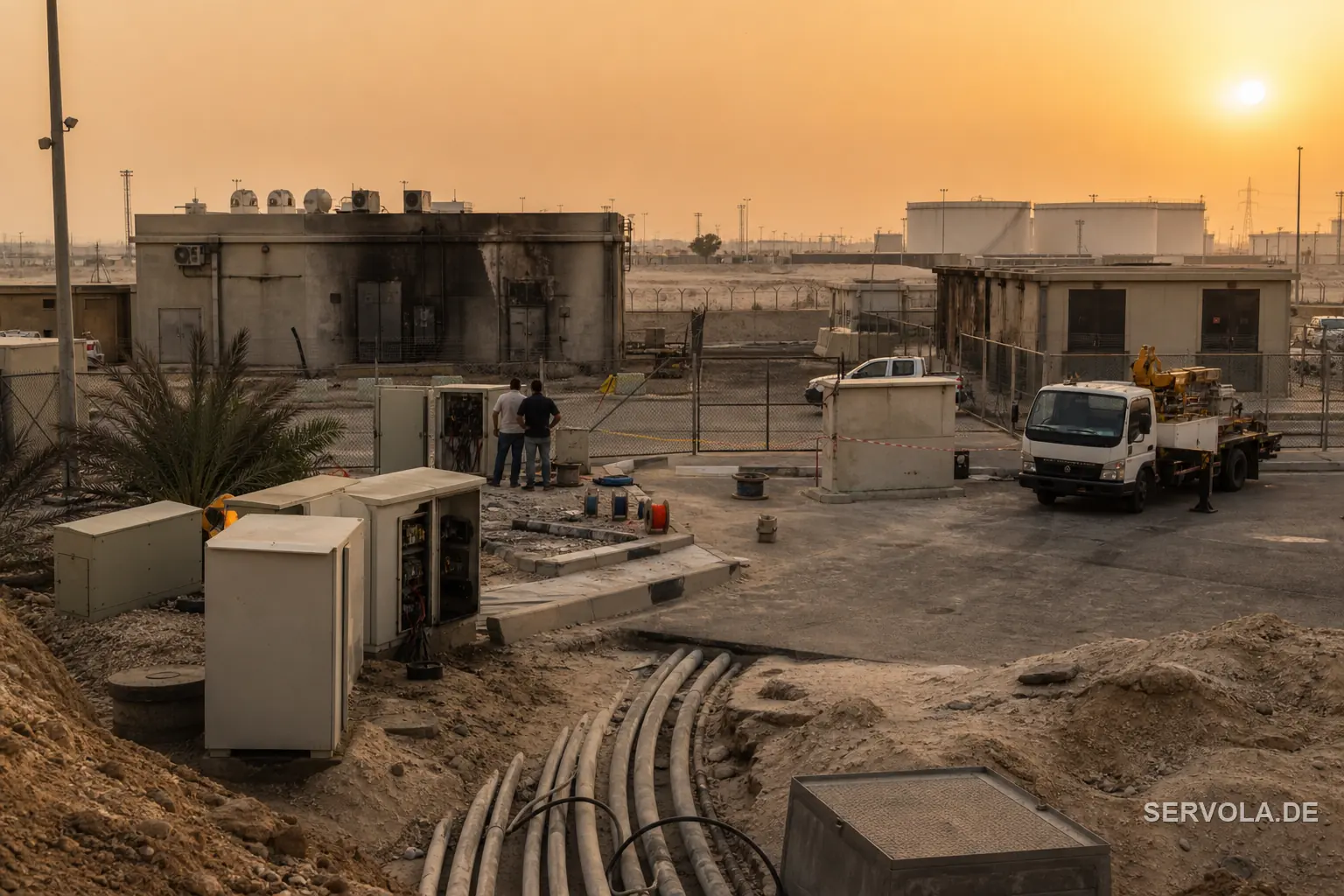
In Richland Parish, Louisiana, a stretch of farmland an hour from the nearest interstate is being turned into one of the largest computers ever built. On 13 July Meta confirmed that the site, which it calls Hyperion, will cost more than 50 billion dollars. Less than two years ago the same project was described as a roughly 10 billion dollar, 2-gigawatt data center. It is now a 5-gigawatt campus whose price has quintupled while barely any concrete has cured.
The number is the story. A single building for training and running artificial intelligence now costs more than the annual output of a mid-sized national economy, and the reason it costs that much has less to do with servers than with the deal that put it in Louisiana.
What Meta actually put on the record
What changed is the scale, not only the price. Meta says Hyperion should reach 2 gigawatts of power draw by 2030 and its full 5 gigawatts by around 2032, up from the 2-gigawatt design revealed when it formed a 27 billion dollar joint venture with the investment firm Blue Owl Capital last October. The company expects more than 5,000 skilled-trade workers on site during peak construction and over 500 permanent operational roles once it runs.
Those figures reset the reference point for what a frontier AI facility costs. When a project moves from 10 billion to 27 billion to more than 50 billion dollars in under two years, every later estimate an operator hears from a vendor or a cloud provider should be read against that trajectory, not against last year's brochure.
Fifty billion dollars is a tax structure, not a hardware bill
The largest line item is a tax decision. In late 2024 Louisiana passed a law making data centers built before 2029 exempt from state sales tax for 20 years. That exemption covers the servers, chillers and electrical gear that make up most of Hyperion's spending, and one analysis put the value of the break at about 3.3 billion dollars; Meta still pays a 1 percent local sales tax. Strip out the incentive and the location choice looks very different.
The financing is the second half of the mechanism. A large share of the 50 billion dollars sits inside the joint venture with Blue Owl rather than on Meta's own balance sheet, which means much of the cost and risk is carried by private-credit lenders. The headline is Meta's, but the capital structure behind it looks more like a leveraged infrastructure fund than a company buying its own computers.
Why no European site could have won this
Europe cannot bid for a project like this, and that is the point for operators here. In the data-center hubs around Frankfurt, London, Amsterdam, Paris and Dublin, the wait to secure a grid connection large enough for a multi-gigawatt load runs from about seven to ten years, and no European government offers a 20-year sales-tax holiday on the scale Louisiana granted. A 5-gigawatt campus simply has nowhere in Europe it could be plugged in on this timetable.
The consequence is quiet but durable. The most advanced AI capacity keeps landing in a handful of American states that compete on tax and power, which means European businesses increasingly rent their most important compute from data centers they will never site, priced in dollars and shaped by decisions made in Baton Rouge rather than Brussels. That is a sovereignty question wearing an accounting costume.
What to do with this
The instruction is to price the location, not only the compute. When a cloud or AI contract quotes you a rate, part of what you pay reflects where the underlying data center sits, what tax break it received and how it was financed. Ask your providers where your workloads physically run, whether that capacity is committed or speculative, and how exposed your costs are to one country's tax and energy policy. Those answers now move budgets more than the model benchmark on the sales slide.
The bottom line: a 50 billion dollar data center is not proof that AI got more expensive; it is proof that the cheapest place to build one is defined by tax and grid access, and that Europe is not currently competitive on either. Owners who understand that can plan for it. Owners who assume compute is a commodity priced the same everywhere will be surprised by their next renewal.
Read next: Meta Wants to Rent Out Its Spare AI Compute | Meta Seeks Its Own Subsea Line Into Denmark