What National Grid actually bought
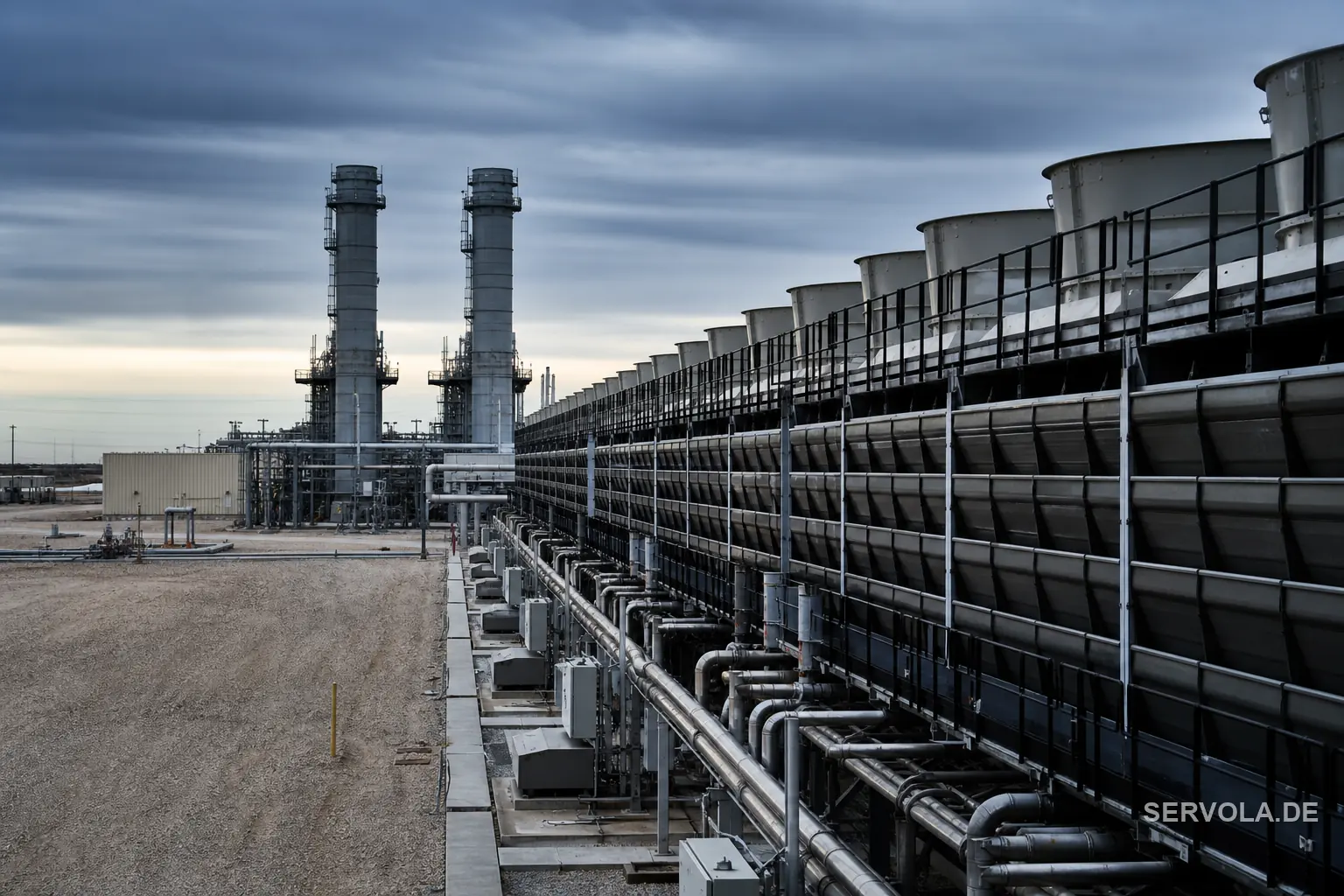
National Grid Ventures, the commercial arm of the UK utility National Grid, has agreed to invest 1.75 billion dollars for a 35 percent stake in Joulent, a US developer of large-load power infrastructure. The money underwrites Project Kilby, a 2.67 gigawatt generation facility in West Texas built in a 50/50 partnership with Chevron, which will supply a Microsoft-operated data center under a 20-year power purchase agreement, with first power targeted for 2028. The transaction implies a post-money valuation of about 5 billion dollars for Joulent.
The number that matters is 2.67 gigawatts for one customer. That is on the order of two large nuclear reactors worth of capacity, committed to a single computing campus for two decades. It is a concrete measure of how much electricity a frontier AI build now consumes, and of how far a regulated European utility will travel to own a piece of that demand. National Grid frames the move as diversifying beyond its traditional regulated business and into the fastest-growing load on the continent's radar.
Why the plant sits next to the data center, not on the grid
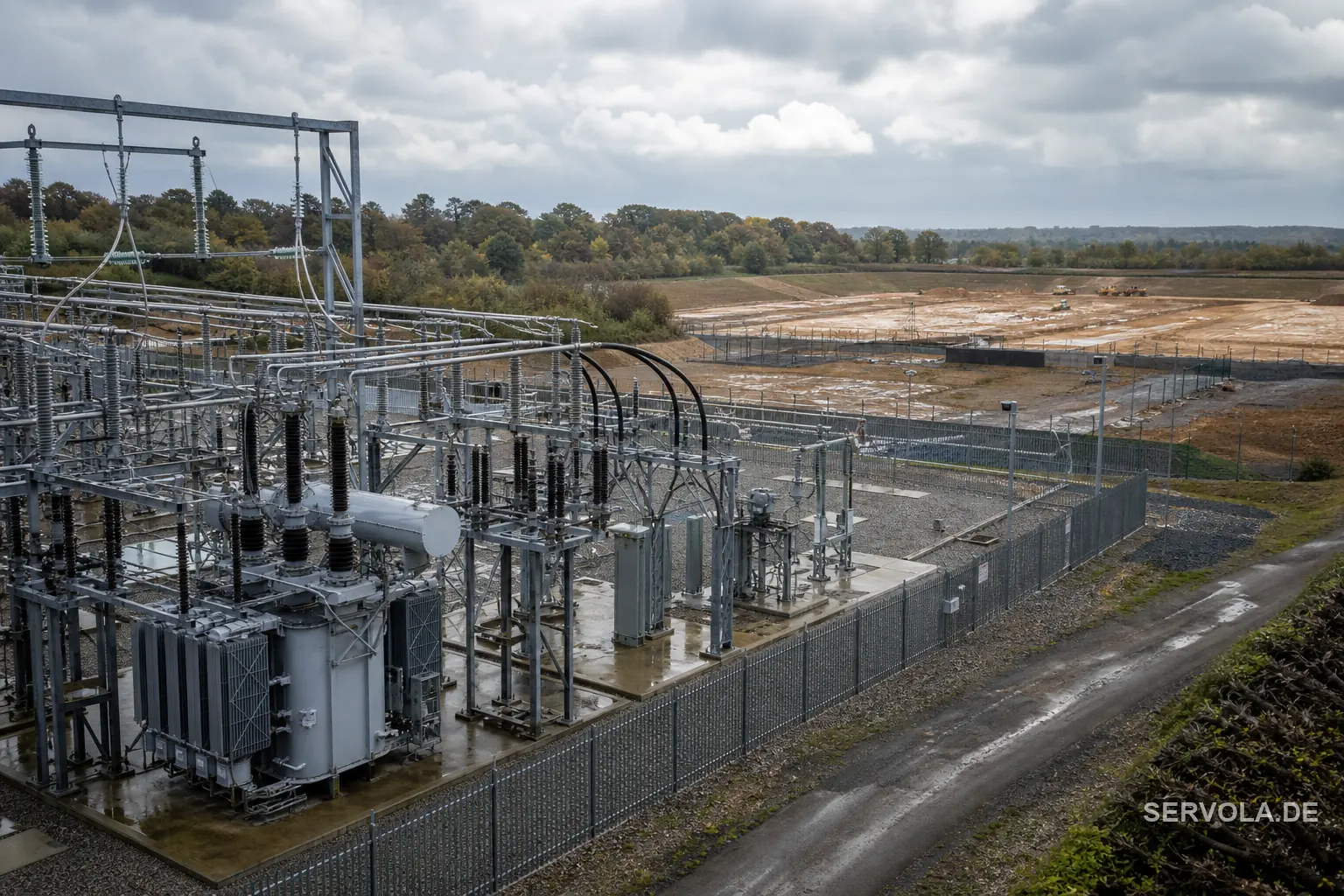
Kilby is built on what Joulent calls an across-the-meter model: dedicated generation placed right beside the AI campus rather than plugged into the public transmission network. The reason is timing. In Europe's busiest hubs a new large connection can wait seven to ten years, and thirteen in the most congested, and the picture in the fastest-growing US markets is not far behind. When the compute is ready in 2027 and the grid queue says 2035, the economics push the power on-site.
That choice has consequences beyond one project. Behind-the-meter gas lets a hyperscaler move at the speed of its chips, but it also means the near-term answer to AI's power problem is combustion, not the clean firm capacity the same companies advertise. The plants are designed for eventual grid interconnection, so the public network inherits them later; for now, the fastest megawatt is the one you build yourself and burn on your own land.
What it signals for anyone budgeting compute
The strategic read is that grid-connection timing is no longer background infrastructure, it is a line in the capital plan. National Grid did not wait for the queue to clear, it bought into a company whose entire pitch is skipping the queue, and it did so at a 5 billion dollar valuation. When the utility itself concludes that the way to profit from AI demand is to build private generation next to the load, the queue is telling you something about the next five years.
For an operator siting compute in Europe, the lesson transfers directly. The cheapest kilowatt-hour on paper is worth little if the connection to deliver it is a decade out, and the workaround, dedicated on-site generation, carries its own fuel, permitting and carbon exposure. The firms that keep their AI plans on schedule will be the ones that treated power procurement as a founding constraint, not a detail to solve after the servers arrive.
Read next: The Cities That Built Europe's Cloud Are Now Stuck | Xbox Meters Cloud Hours The Month GTA VI Lands