A billion dollars, and no investor named
Commonwealth Fusion Systems announced on 30 July 2026 that it had raised $1 billion in additional equity, bringing total capital raised to $4 billion since the company was founded in 2018. It is the largest single round in fusion since the company's own $1.8 billion raise in 2021. Chief executive and co-founder Bob Mumgaard framed it in the register the sector has grown used to: "CFS is making what once was impossible into inevitable. In the 2030s, we will put commercial fusion on the grid."
The company described who wrote the cheques only by category. Its announcement names pension funds, sovereign wealth funds, and infrastructure and industrial corporate partners. It does not name a single investor in the round, and when asked directly the company declined to identify them. That is unusual for a raise of this size, where naming a marquee backer is normally part of the value of announcing at all.
The reporting has largely settled on the two round numbers, $1 billion raised and $4 billion total. Those are the least informative figures in the announcement. The composition is the part that changed, and it changed in a direction that says something specific about what the company now has to do.
The capital changed class before the machine changed state
Pension funds, sovereign wealth funds and infrastructure partners are not venture investors. They buy duration. Their mandates are written against liability schedules and target yields, and the assets they normally hold are the boring end of the energy system: transmission, contracted generation, regulated networks, things with a known cash profile and a long life. Venture capital prices a wide distribution of outcomes and accepts that most of it is worthless. Infrastructure capital prices a narrow one and expects to be paid on a schedule.
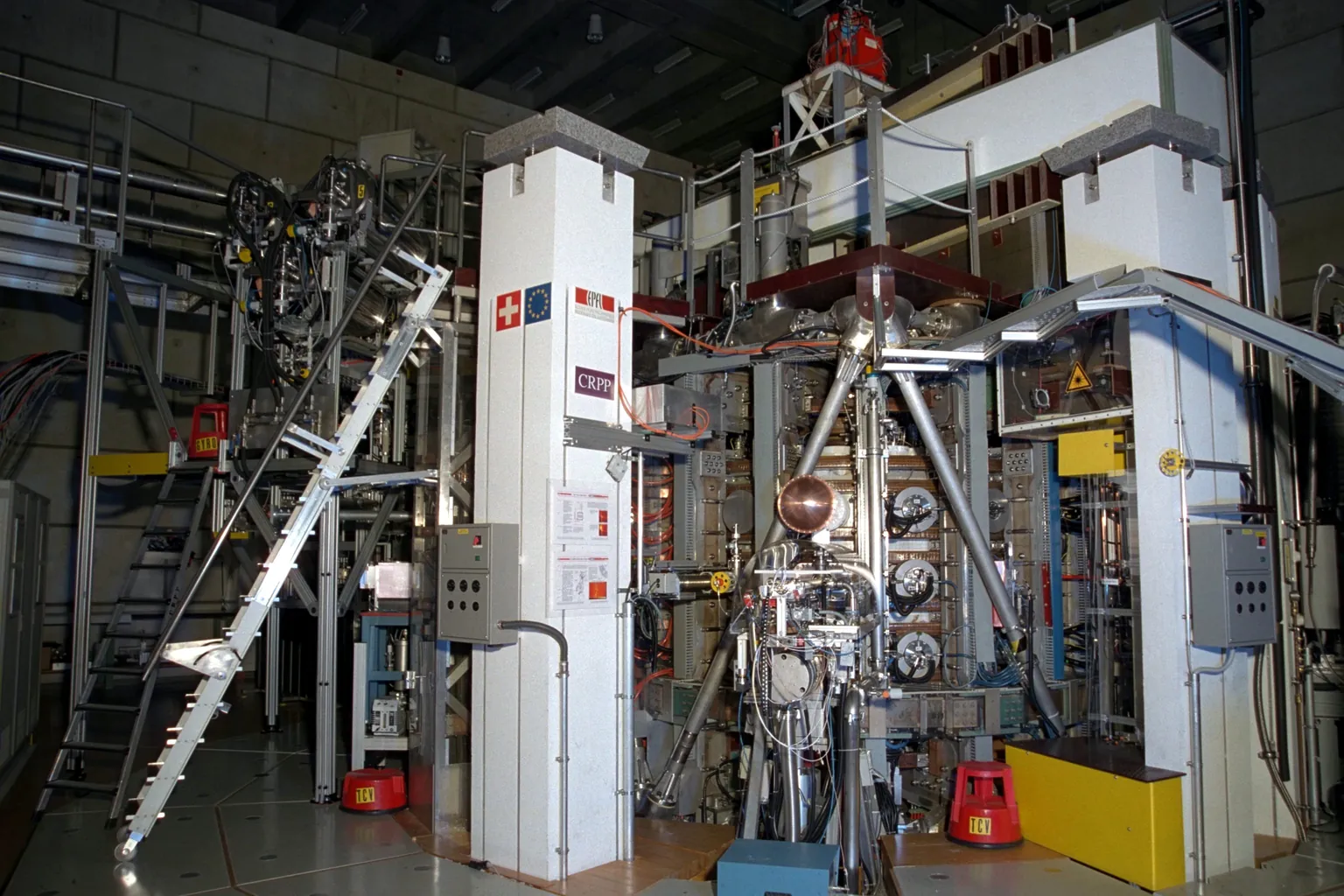
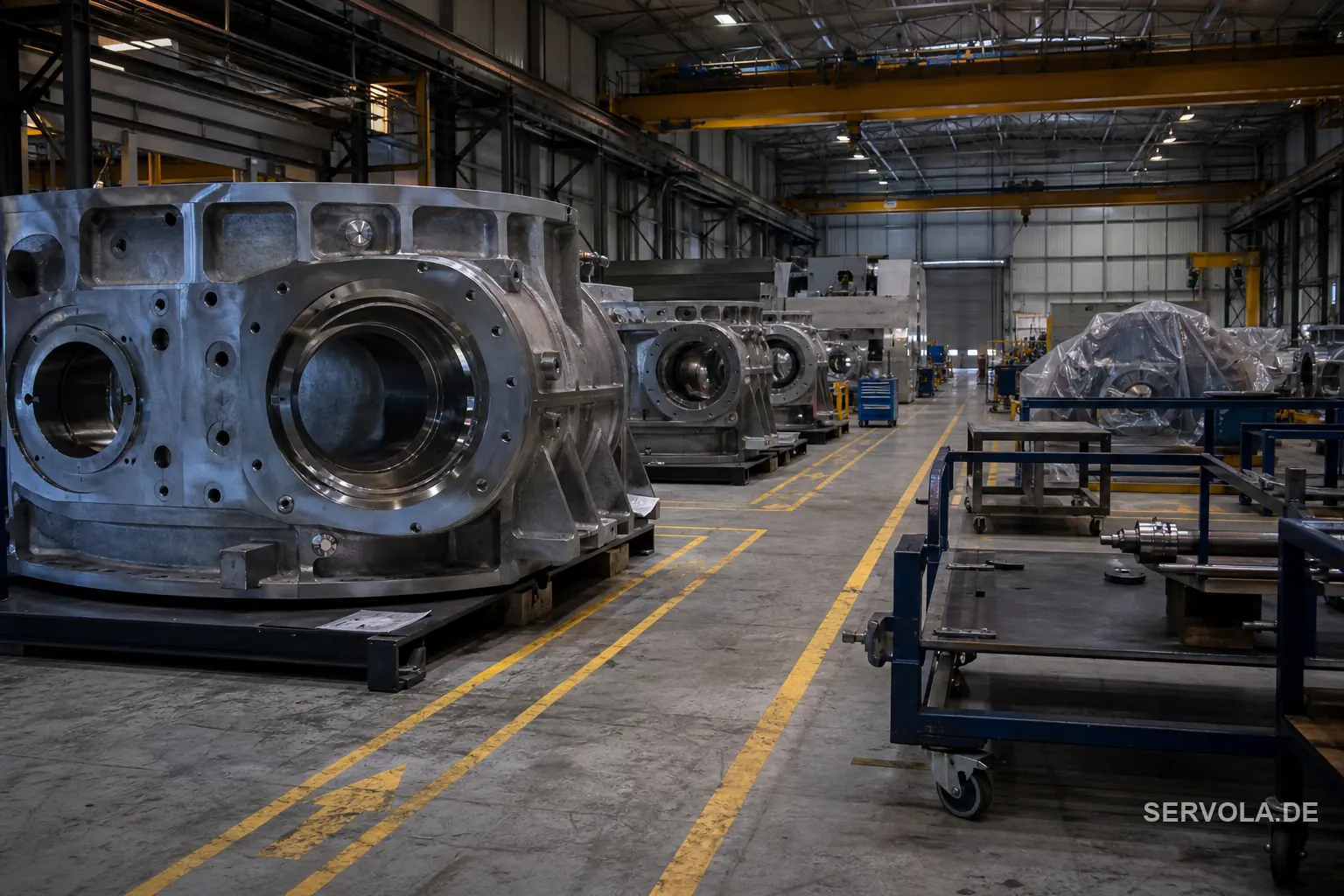
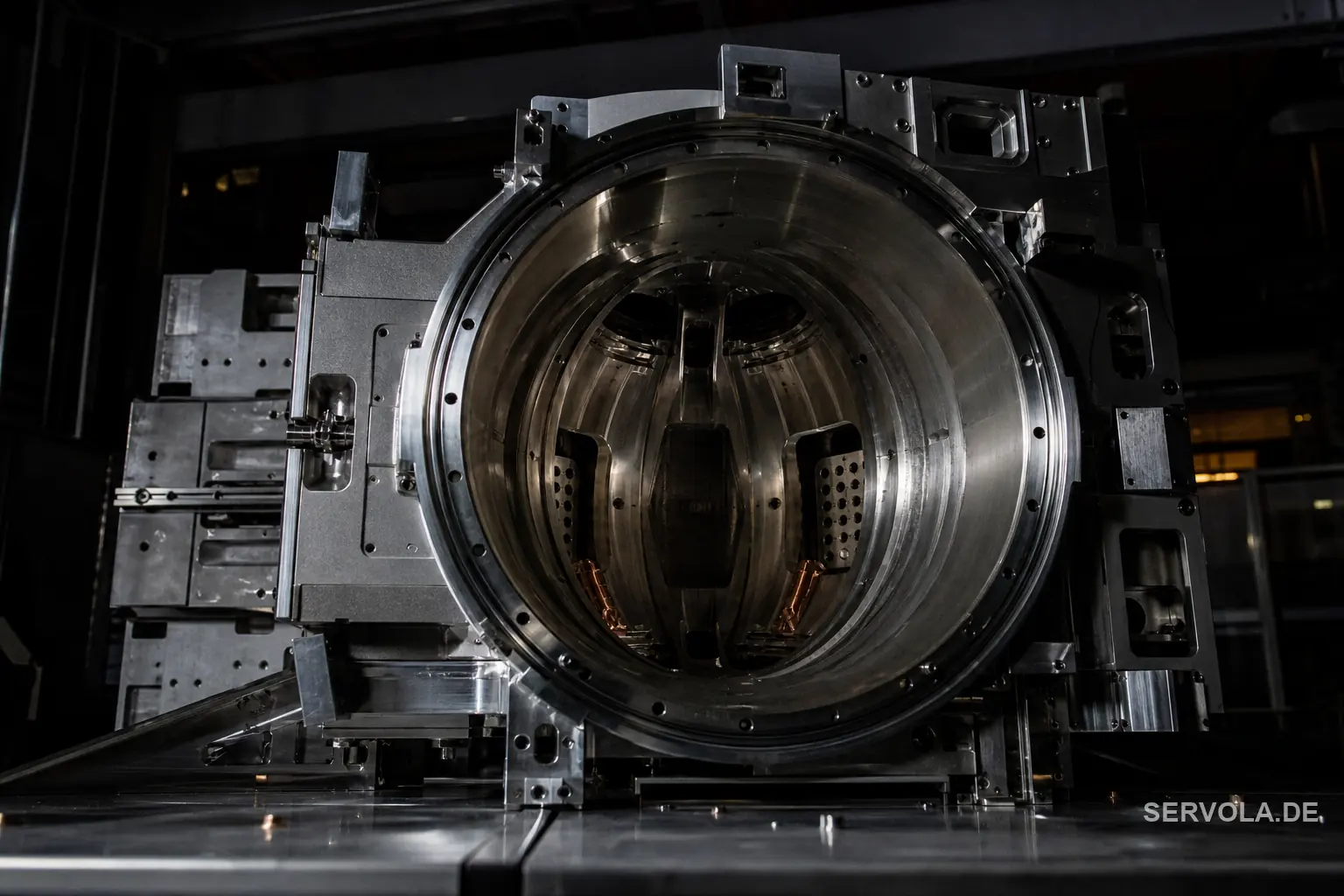
That class of money has now arrived before the physics milestone, not after it. SPARC, the demonstration machine, is still in assembly at the company's site in Devens, Massachusetts. The facility is reported at roughly 75 percent complete, and the tokamak's cryostat base was installed in March. First plasma is targeted for 2027, and the goal that actually matters, a fusion gain above one, meaning the machine releases more energy from fusion than the process consumes, has never been achieved by a commercially relevant device.
None of that makes the raise unsound. It does mean the ordering is worth noticing. The conventional sequence in heavy energy is that a technology is demonstrated, then de-risked, then refinanced with cheaper and more patient capital. Here the cheaper, more patient capital has been brought in first, against a demonstration that is scheduled rather than completed. Whatever else the round proves, it proves that the capital markets are no longer waiting for the physics.
Eni and Google already hold the offtake
The announcement names Google and Eni as strategic partners with power purchase agreements. The second of those is the one that should register in Europe. Eni is an Italian energy major, one of the continent's largest, and it has contracted for output from a plant that does not exist, fuelled by a reaction that no commercial machine has yet run at gain. That is not a criticism of Eni. It is a description of how early the offtake market for this technology has formed.
A power purchase agreement signed this far ahead is a different instrument from one signed against an operating asset. Against a wind farm or a gas plant, the buyer is pricing volume, availability and the shape of delivery. Against a plant at this stage, the buyer is pricing the probability that the counterparty reaches commercial operation at all, and the terms it will be able to demand if the schedule slips. European industrial buyers looking at long-dated clean firm power are increasingly being offered exactly this shape of contract, and the diligence it requires is closer to counterparty analysis than to energy procurement.
ARC, the plant those agreements point at, is planned for the Fall Line Fusion Power Station in Chesterfield County, Virginia, described by the company as the world's first grid-scale fusion power plant and reported at roughly 400 megawatts of electrical output. The company says it is on track to put power on the grid in the early 2030s. Everything in that sentence is a target, and targets are the only thing an offtake agreement at this stage can be written against.
The five years between first plasma and first power
Set the two dates the company itself gives side by side. First plasma in 2027. Power on the grid in the early 2030s. That is a gap of roughly five years between the moment the technology is proved and the moment it produces a saleable product, and it is the single most useful number in the announcement, because it is the period every contract, every investor and every buyer has to sit through.
The gap is where the risk actually lives, and it is not a physics risk. After first plasma the remaining work is engineering, supply chain, licensing, grid connection and construction, which is to say the same set of problems that delays conventional generation projects everywhere, including in Europe, where connection queues and permitting timelines are the binding constraint on new capacity far more often than technology is. A machine that works in 2027 and a plant that delivers in 2033 are separated by six years of the least glamorous and most schedule-prone work in the sector.
This is also why the identity of the capital matters for the timeline rather than only for the balance sheet. Money that expects a yield on a schedule creates pressure inside that gap. It does not necessarily create bad decisions, but it creates a reason to announce progress, to hold dates, and to resist the kind of schedule reset that engineering projects periodically need. Anyone contracting across those years should assume the published dates are the dates the company is under pressure to defend.
What to settle before signing a power agreement this long
The first question is which milestone your agreement is actually keyed to. First plasma in 2027 is checkable and falsifiable, and it arrives half a decade before any electricity does. Gain above one is a separate event from first plasma. Commercial operation is a third. A contract that references only the last of the three gives you nothing to test for six years, which is a long time to hold an unverifiable position on a counterparty.
The second is what happens to you if the schedule moves. Ask what the remedy is for a delay of one year, of three, and of an indefinite period, and whether the counterparty can substitute conventional supply in the meantime and at whose price. Ask whether your obligation to buy survives a change in the plant's technical specification. For European buyers, ask separately how grid connection is handled, because in most European markets the connection date, not the plant, is the item that slips.
The third is the capital question, and it generalises well beyond fusion. Ask any supplier you are contracting with over a decade which class of investor now funds it, and what those investors are entitled to expect and when. The answer tells you how much time your counterparty has, which is a different and more useful thing to know than how good its technology is. A supplier funded by capital that can wait will behave differently in a bad year from one funded by capital that cannot.
Read next: Google's Contract Kept a Reactor Alive Past 2030 | Google's Cloud Contract Just Saved A Finnish Reactor