Riot Had Every Advantage. The Numbers Still Said No.
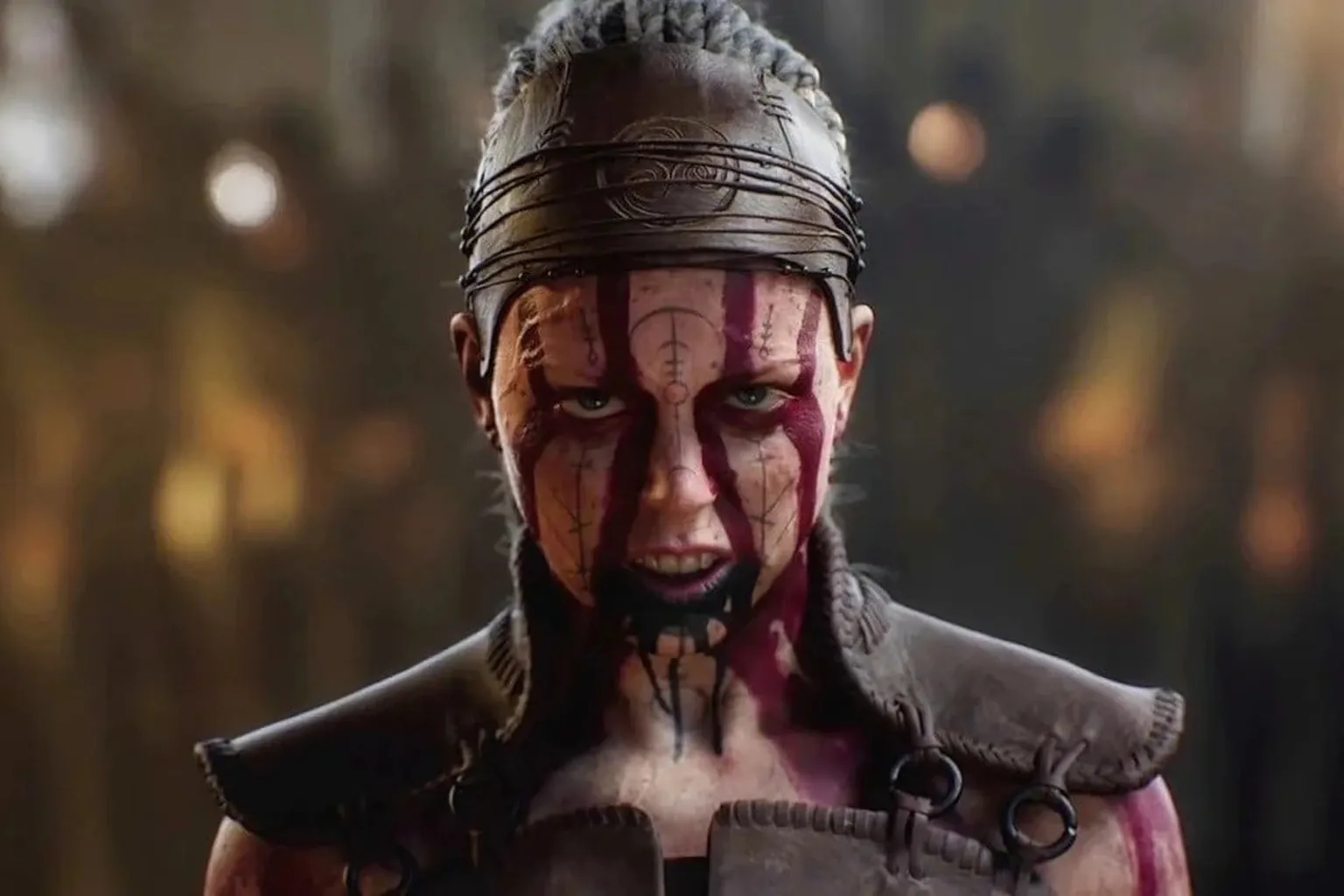
Riot Games confirmed on August 20, 2026 that it is ending active development of 2XKO, its free-to-play fighting game, in December 2026, because the title costs substantially more to operate than it brings in - despite genuine, strong support from the fighting-game community.
That distinction matters. Riot is not a struggling startup; it is a Tencent-backed studio sitting on League of Legends, one of the most durable franchises in gaming, with a marketing reach and a live-ops budget most competitors can only imagine. It used both to launch 2XKO into an established, vocal fighting-game audience. Player engagement stayed relatively flat even after major content updates - the clearest evidence that the shortfall was structural, not a marketing or awareness problem Riot could have solved with one more patch.
What Ends in December, and What Does Not
Two more champions ship before active development closes: Lux arrives in September 2026 and Samira in October, followed by a final bug-fix patch in December if one is still needed.
After that, the game does not go dark. Riot says 2XKO remains playable and competitively supported on PC, PlayStation 5, and Xbox Series X|S - servers stay online, ranked play continues, and the title simply stops receiving new content. Riot is unlocking every champion for existing players, bundling most cosmetics, and refunding all money spent on the game on or before August 20, 2026.
The refund alone is a signal worth noting. A company does not hand money back over a title it still believes will turn a corner; it does so when it has already run the model forward and confirmed the corner is not coming.
The Lesson: Applause Is Not a Business Model
The distinguishing fact here is not that a game struggled - it is that a company with essentially unlimited resources and a beloved existing IP ran the numbers on real fan enthusiasm and still came up short of sustainable unit economics.
For a European operator weighing a subscription or live-service pivot of their own, the transferable point is not "watch your costs." It is narrower and less comfortable: vocal, genuine customer enthusiasm is not the same signal as a business that clears its own operating bar. Riot itself said the fighting-game community's support was real. It funded two more content drops anyway, gave the community a clean off-ramp, and still ended the pipeline. Measure sustained engagement and revenue against operating cost before a live-service bet gets funded - or before it gets re-funded on the strength of applause alone.
Read next: Netmarble Cut Its Game Slate From Five to Three | King Held Out 16 Months. Sweden Made It Sign.