A number that reorders the industry
For the first time since Nvidia's ascent redefined who captures the value in artificial intelligence, a different company is poised to post the largest quarterly operating profit in technology. According to Seoul Economic Daily and Digital Today, Samsung Electronics is expected to unveil preliminary second-quarter figures on July 7 showing operating profit near 85-86 trillion KRW, a range that translates to roughly 56 to 63 billion USD depending on the won-dollar rate used.
The comparison that matters to operators is not the headline alone but the pecking order it implies. Nvidia's most recent quarterly operating profit sat around 53.5 billion USD. If Samsung lands where the Seoul press expects, the memory maker, not the accelerator designer, becomes the single most profitable technology company in the world for that quarter. The symbolism is hard to overstate: the picks-and-shovels supplier out-earning the gold rush's marquee name.
The memory supercycle, quantified
The mechanics are unusually clean. Samsung's guidance implies an approximately 17-18x increase in operating profit year over year and roughly 49 percent above the record it had just set in the first quarter of 2026. Jumps of that magnitude do not come from cost cuts or one-off gains. They come from pricing, and pricing in memory is now being set by scarcity in the highest-value tier.
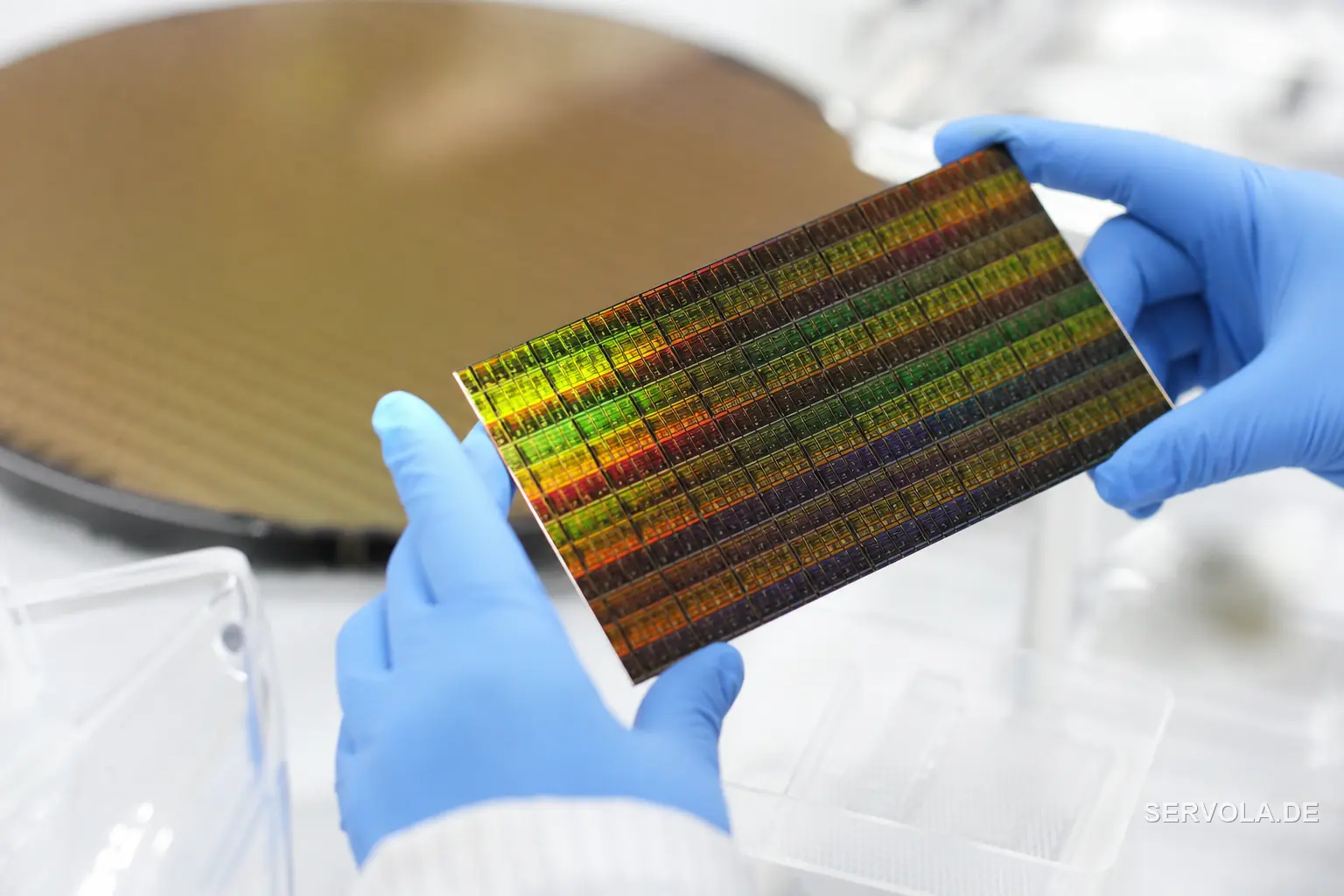
Two figures anchor the story. Q2 DRAM average selling prices rose more than 40 percent, and NAND average selling prices climbed into the mid-60 percent range. Underneath sits the arrival of HBM4, the high-bandwidth memory that stacks alongside AI accelerators. Early HBM4 shipments carry a premium that lifts the entire blended price book, so a modest volume of the newest product drags the average up across a very large base of conventional chips.
Why scale, not just price, is the moat
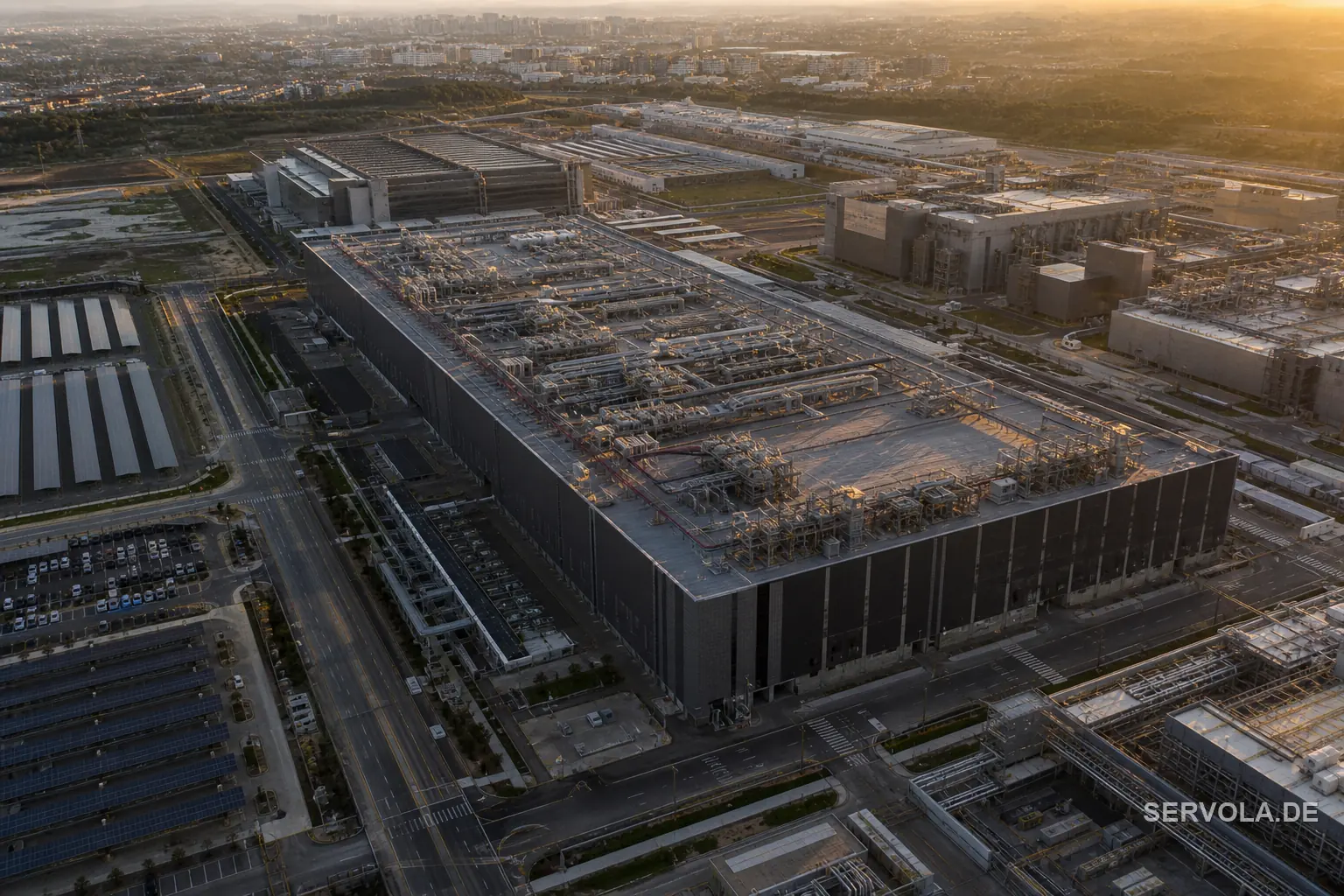
Price cycles turn. What operators should study is the structural position underneath the cycle. Samsung is cited as running roughly 650,000 to 700,000 DRAM wafers per month, more than double the output attributed to Micron. In a market where every incremental HBM stack is spoken for, wafer capacity is the constraint that decides who can actually supply the demand, and Samsung sits at the top of that table.
That scale is why the full-year picture is even more striking than the quarter. Consensus for Samsung's 2026 operating profit sits near 300 trillion KRW, on the order of 200 billion USD. A number of that size is no longer a cyclical spike a buyer can wait out. It reprices the cost of the memory that sits inside every AI server, and it hands the supplier durable leverage over the hyperscalers and system builders who need those parts.
What owners and operators should take from it
For anyone budgeting compute, the read is direct. Memory is no longer the commodity line item it was two cycles ago. HBM4 and premium DRAM are now a strategic input priced by a small handful of suppliers with the wafer base to serve AI demand, and the cost is moving against buyers, not with them. Procurement teams that locked long-dated pricing before this quarter look prescient; those exposed to spot rates are absorbing the 40-plus percent that Samsung just booked as profit.
The second read is competitive. Nvidia still designs the accelerator that defines the platform, but the profit ledger now shows the value chain widening rather than concentrating. For owners weighing where AI margins ultimately settle, this quarter is evidence that the supply side of the stack, chips and memory, is capturing a growing share, and that share is being defended by capacity no rival can build overnight.
Read next: Seventy Percent Of Memory Is Already Committed | Nvidia Sits on Three Sides of Anthropic's $35B Deal