A record raise, and why the number matters
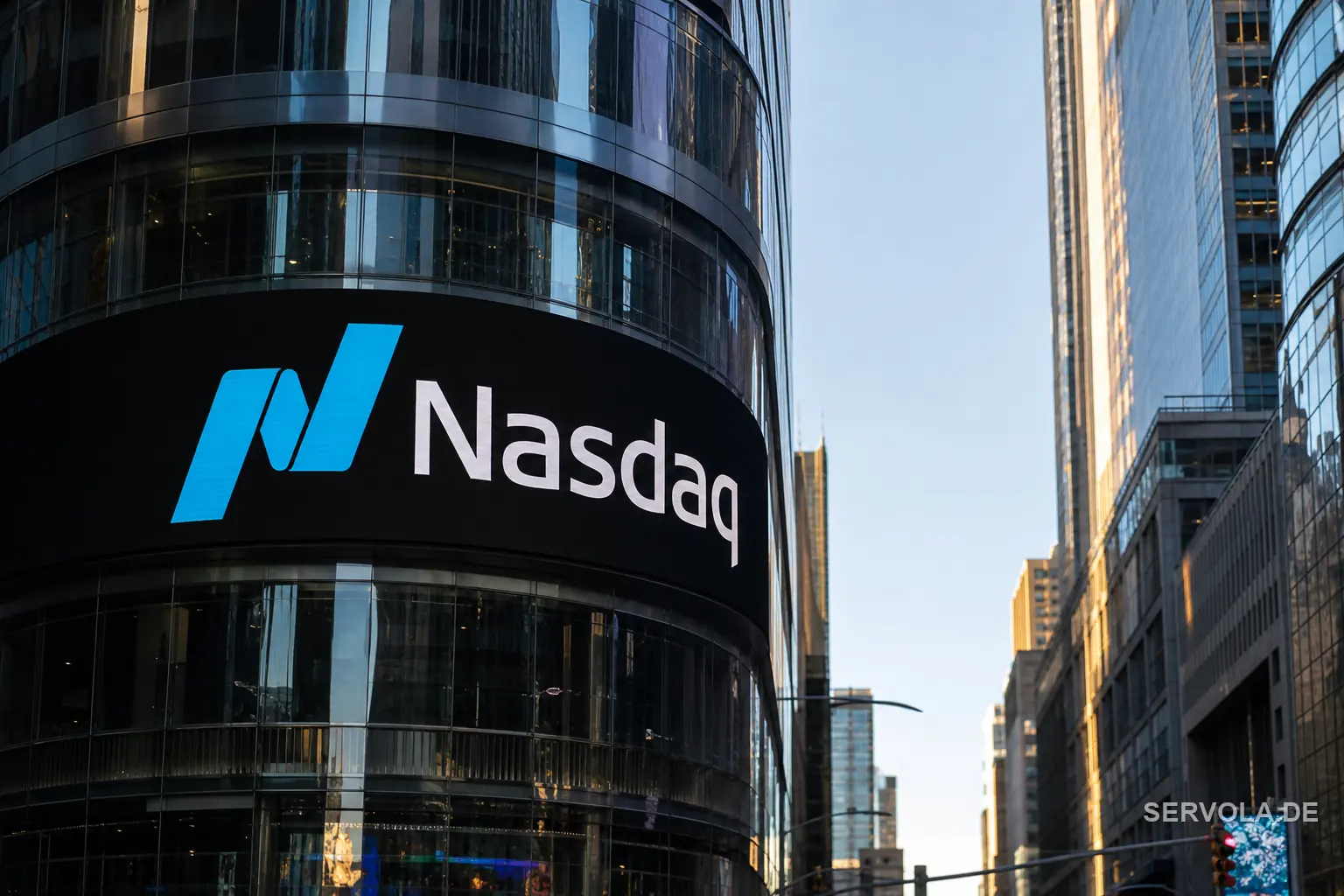
SK Hynix listed its American Depositary Receipts on the Nasdaq Global Select Exchange on July 10, 2026, in what the company framed as its first direct opening to US public investors. It priced about 177.9 million ADRs, ten of which represent one common share, at USD 149 apiece to raise roughly USD 26.5 billion. That cleared the record Alibaba set with its 2014 flotation and stands as the largest US share sale ever completed by a foreign company. The receipts opened at USD 170 and traded up about 17 percent on the first day, after order books were reportedly covered about seven times over.
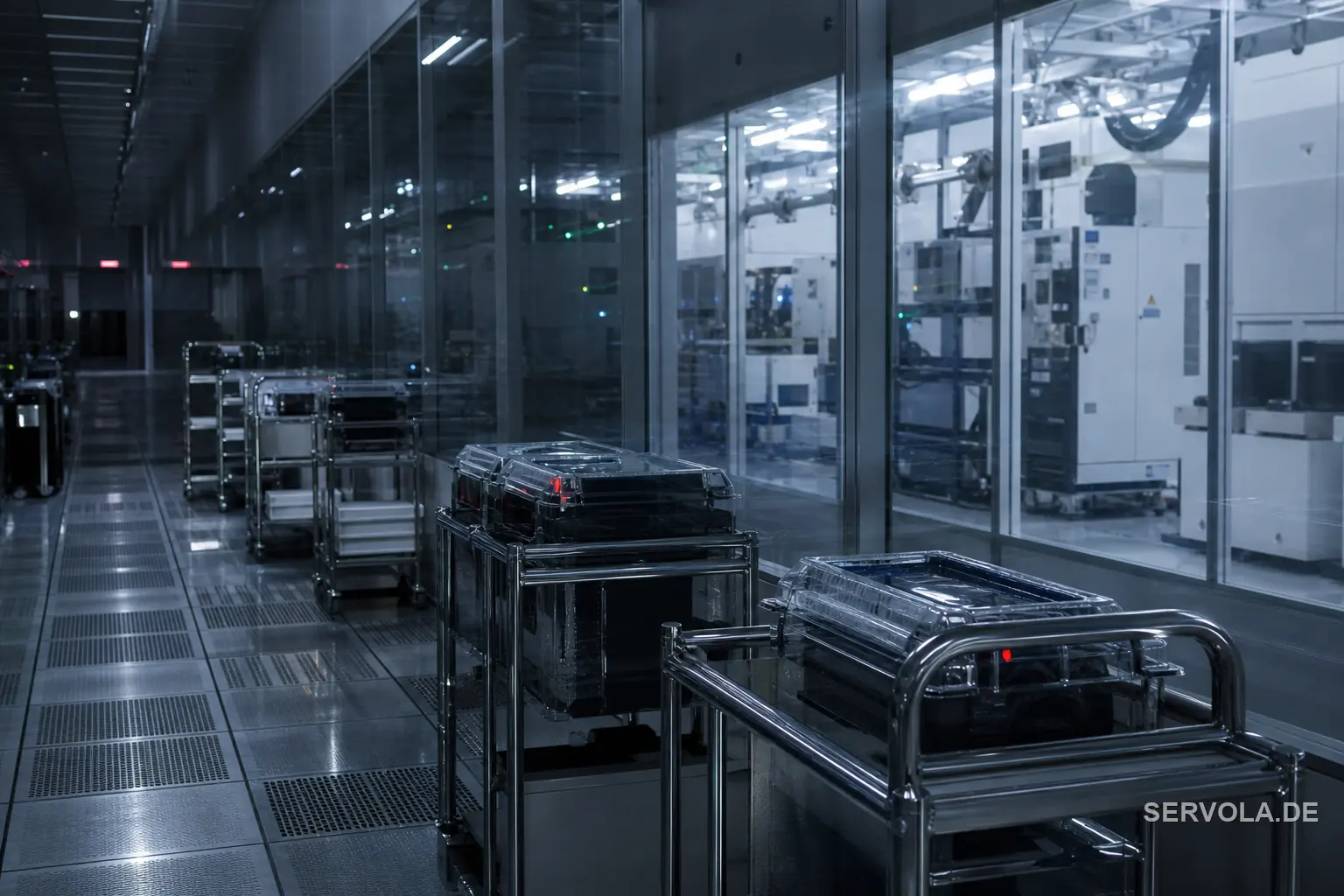
The headline figure is not vanity. Memory is the most capital-hungry corner of the semiconductor supply chain, and high-bandwidth memory in particular now sits on the critical path of every large AI training cluster. A raise of this scale signals that SK Hynix intends to fund the next fab cycle from its own balance sheet and public equity rather than lean solely on debt or vendor prepayments. For owners and operators buying compute, that is a supply-side commitment worth reading closely.
What the money actually builds
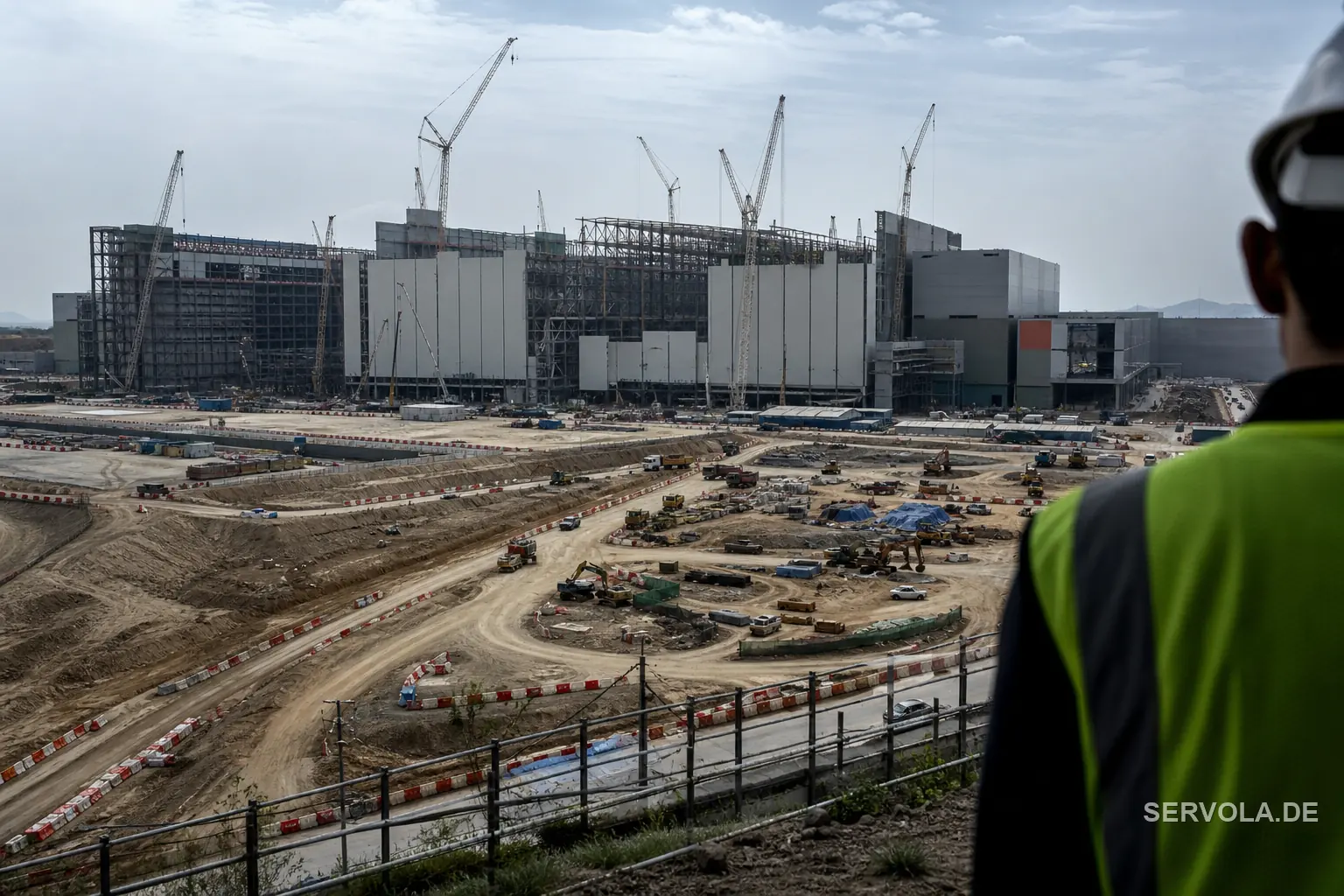
The proceeds feed a KRW 1,100 trillion domestic investment strategy, roughly USD 713 billion, that the company has laid out across multiple sites. The Yongin semiconductor cluster is the centrepiece, and SK Hynix has pulled the timeline for its fourth Yongin fab forward to 2033. Cheongju carries NAND flash and high-bandwidth memory packaging, and a new Southwestern hub rounds out the domestic footprint.
Alongside the Korean build-out, the company is constructing its first manufacturing site in the United States, a roughly USD 4 billion advanced-packaging plant in Indiana. Packaging, not raw wafer fabrication, is where HBM stacks are assembled and where much of the yield battle is now fought. Locating that capability in the US aligns SK Hynix with the customers and policy incentives clustered around American AI infrastructure, and it hedges the geographic concentration that has long defined Korean memory.
The HBM franchise underwriting the story
The listing rests on a franchise that is currently dominant. SK Hynix holds roughly 60 percent of the HBM market, the tightest and most profitable memory segment, and it has kept a lead on the roadmap. On June 18, 2026 the company shipped 12-layer HBM4E samples, and on June 7, 2026 it signed a multi-year memory partnership with NVIDIA, the customer whose accelerators define demand for the category.
That NVIDIA relationship is the quiet centre of gravity. HBM is sold years ahead against accelerator roadmaps, so a multi-year commitment converts today's technical lead into contracted revenue that public investors can underwrite. The equity story SK Hynix is selling is therefore less a bet on memory prices and more a bet that AI accelerator volume keeps compounding and that SK Hynix stays first in line to feed it.
Why buyers of compute should care
For executives procuring GPU capacity, HBM supply is the constraint that rarely appears on the invoice but shapes it anyway. When memory is scarce, accelerator lead times stretch and prices firm; when a leading supplier commits USD 26.5 billion of fresh equity to expansion, it is a signal that the bottleneck is being addressed, if not immediately relieved. The Indiana packaging plant and the pulled-forward Yongin fab both point to more HBM capacity landing over the back half of the decade.
There is also a sovereignty dimension for European operators. Memory is a chokepoint no EU fab currently fills, and a Korean champion deepening ties with US customers and a US listing further concentrates the value chain across the Pacific. The rational read for owners is to treat HBM-backed compute as a strategic input with a known single point of concentration, and to price that concentration into multi-year infrastructure planning rather than assume the current abundance of roadmap promises equals abundance of parts.
Read next: SK Hynix's US HBM Plant Still Needs Korean Wafers | Memory Got This Expensive For Two Separate Reasons