Five Rounds, No Deal
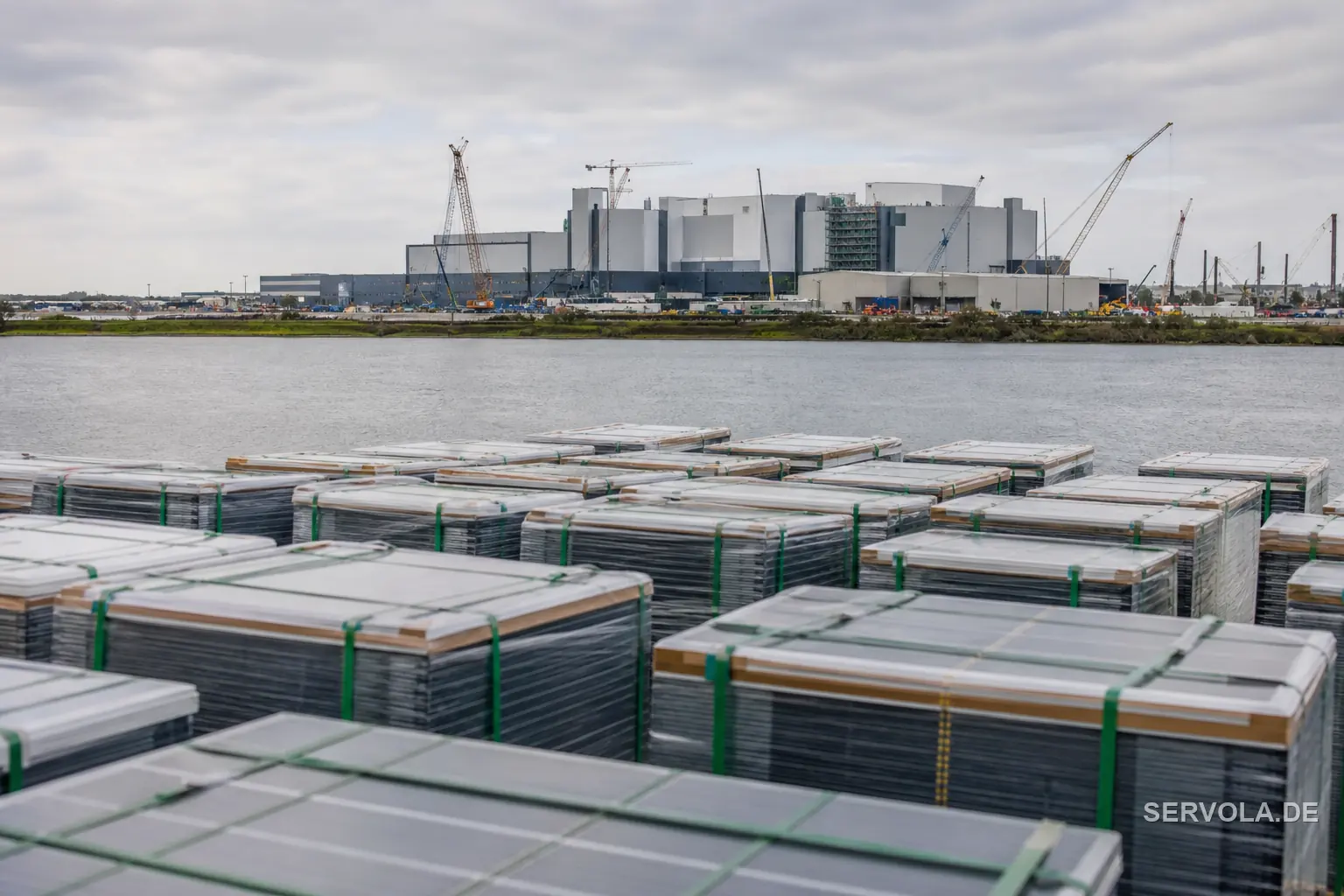
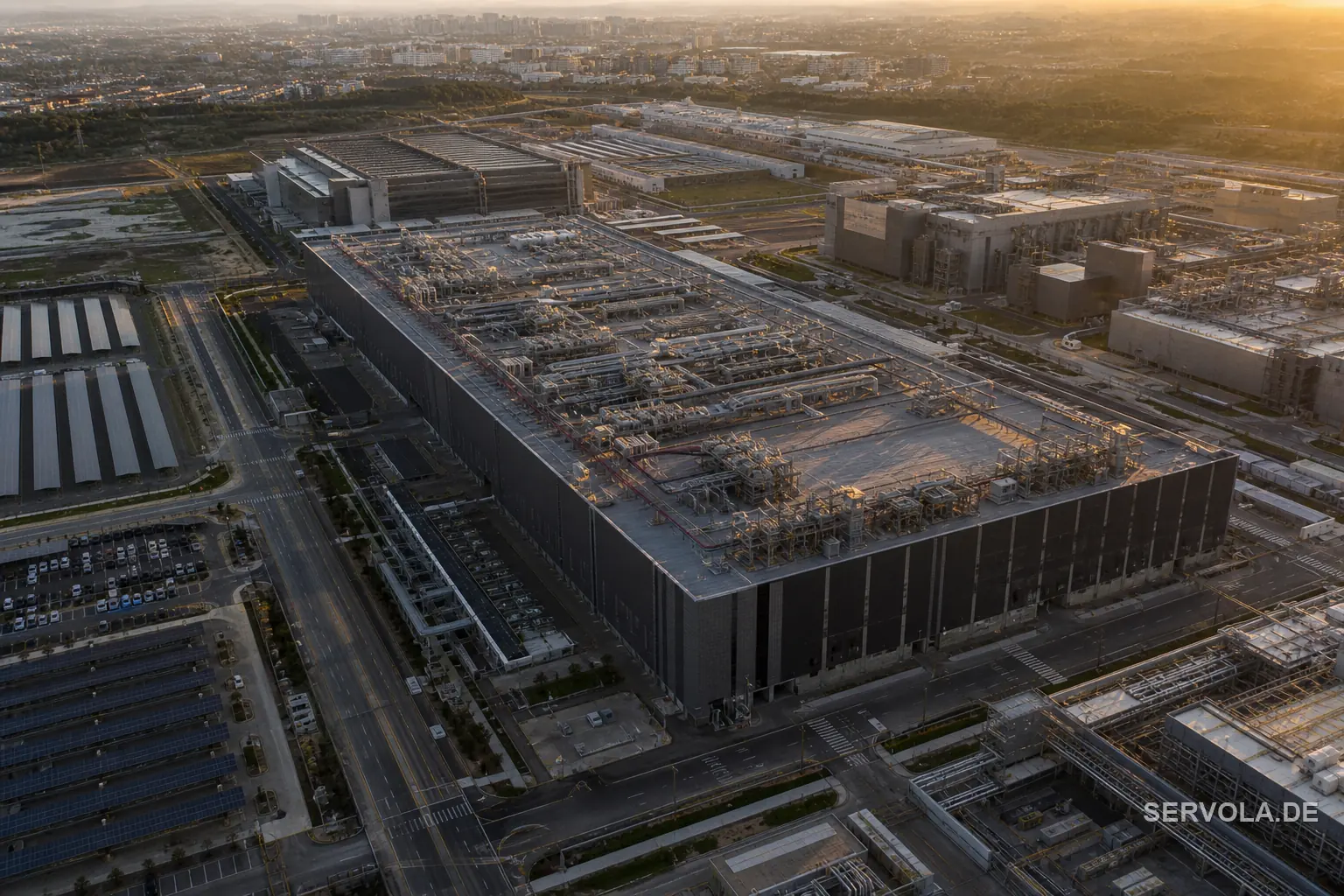
At SK Hynix's factory complex in Cheongju, South Korea, the company and one of its labor unions sat down for a fifth round of formal bargaining on bonus pay and walked away on August 10, 2026, with nothing signed. The sticking point is not the size of the payout, it is the currency: SK Hynix has proposed paying more than half of the 2026 profit-sharing bonus in company stock, with a lock-up period restricting when employees can sell it, and adjusting the payout downward in any year the company posts a loss.
The union has refused every version of that offer so far, arguing in blunt terms that the company wants union members to bear the risk of stock-price fluctuations for a bonus they already earned by hitting production and profit targets. The stakes are real money: SK Hynix's profit-sharing scheme pays out 10 percent of annual operating profit, and the February 2026 round alone was worth up to 2,964 percent of a worker's monthly base salary, a figure that dwarfs the 1,000 percent ceiling the company scrapped when it introduced the scheme.
Four Thousand Workers Organized in Three Days
While the fifth round of talks stalled, a separate and arguably more consequential movement started on KakaoTalk. On August 5, 2026, workers opened an organizing chat aimed at merging SK Hynix's three existing unions, one representing technical and office staff and two representing production workers at the Icheon and Cheongju sites, into a single, independent, company-wide union with no ties to either of Korea's national labor federations. More than 4,000 employees, 11.6 percent of the company's 34,466-strong workforce, joined within three days.
The group filed a formal registration application on August 8, with organizers aiming to complete the union's launch within the week. SK Group chairman Chey Tae-won's own past comments on labor relations, that if employee happiness comes at the expense of other stakeholders the company has to do something about the problem, are now being read by workers as a preview of how management will treat a newly unified union with more leverage than any of the three unions had alone.
The Supplier Nobody Can Second-Source Around
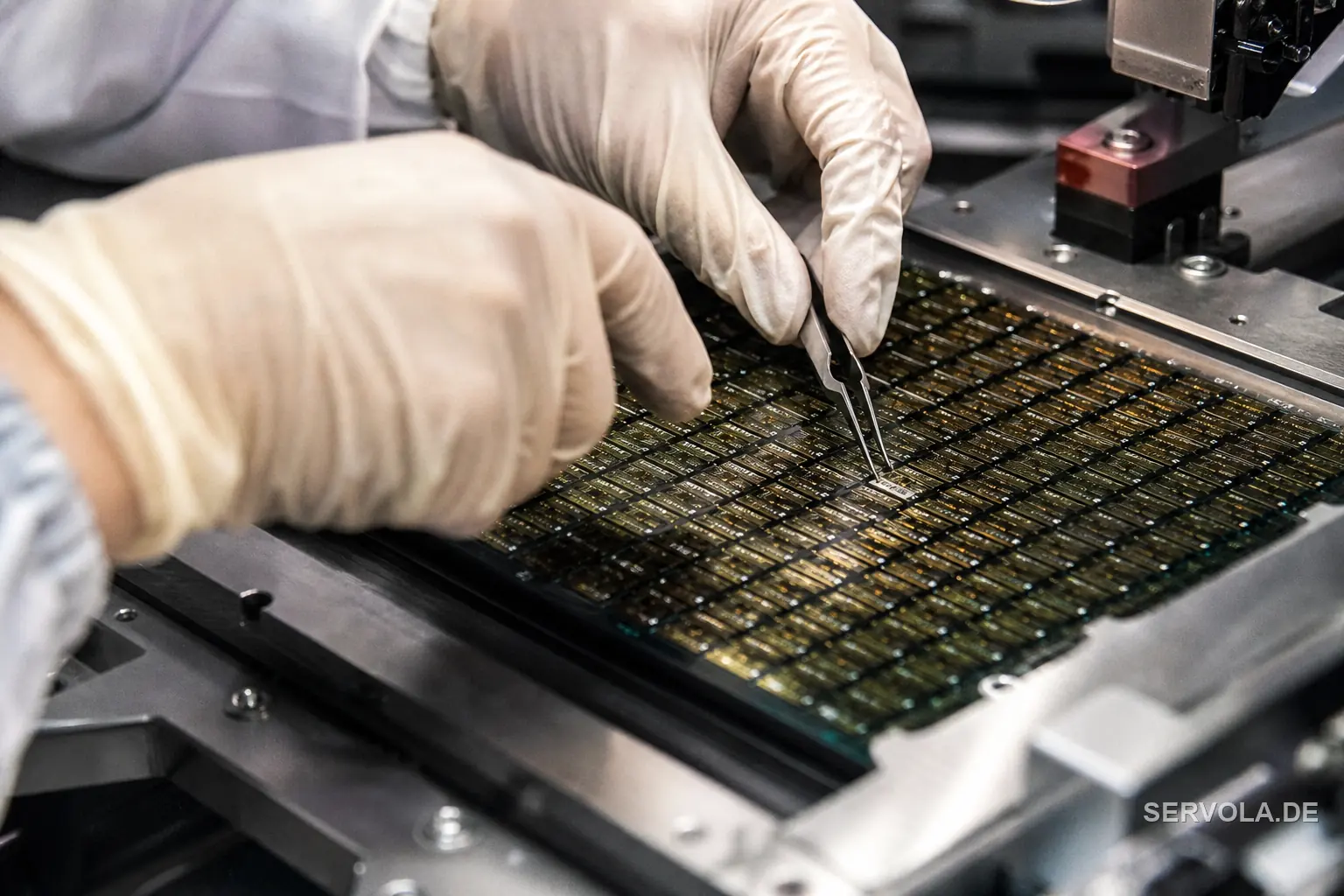
SK Hynix is not a replaceable vendor in the AI accelerator supply chain, it is the supplier that made high-bandwidth memory a commercial product at scale in the first place. The company held roughly 58 percent of the global HBM market in the first quarter of 2026, according to Counterpoint Research, and it posted record second-quarter revenue of KRW79.3 trillion, up 257 percent year on year, at a 76 percent operating margin, one of the highest in the entire semiconductor industry. HBM4, the generation AI accelerator makers are counting on for their next hardware cycle, entered mass production at SK Hynix in the second quarter of 2026, with a full ramp-up scheduled for the second half of the year under ten long-term customer contracts already signed.
That concentration is precisely why the labor dispute matters beyond South Korea's borders. A fab delay or a yield problem is a known risk that buyers model and hedge with inventory buffers and multi-quarter forecasts. A prolonged standoff with a union that now represents a growing share of the workforce responsible for executing the H2 ramp is a different kind of risk entirely, one that does not show up in any wafer-yield chart and cannot be diversified away when one company supplies well over half the market.
What Owners of AI Compute Should Track Now
For a hyperscaler, GPU maker or enterprise buyer with capacity commitments tied to SK Hynix's second-half HBM4 ramp, the practical takeaway is not to panic over a single stalled bargaining round, it is to start tracking SK Hynix's labor calendar the same way procurement teams already track wafer yield and fab construction timelines. A union that assembled 4,000 members in three days has demonstrated it can mobilize fast, and its first real test of leverage will land in the same quarter SK Hynix has promised its customers a production ramp.
The deeper lesson for any buyer relying on a single dominant supplier for a critical component is that concentration risk is not only about capacity, it is about every input that supplier depends on to keep that capacity running, including a workforce that has just discovered it has more bargaining power than management may have priced in. Diversifying HBM sourcing across Samsung and Micron reduces exposure, but neither currently matches SK Hynix's scale, so for now this risk sits on SK Hynix's balance sheet and, by extension, on every customer's delivery schedule.
Read next: SK Hynix Prices a US Fab at Double What Korea Costs | 38 Billion Dollars Buys Years of Pricier Memory Chips