A CFO Answers the Backlash With a Number
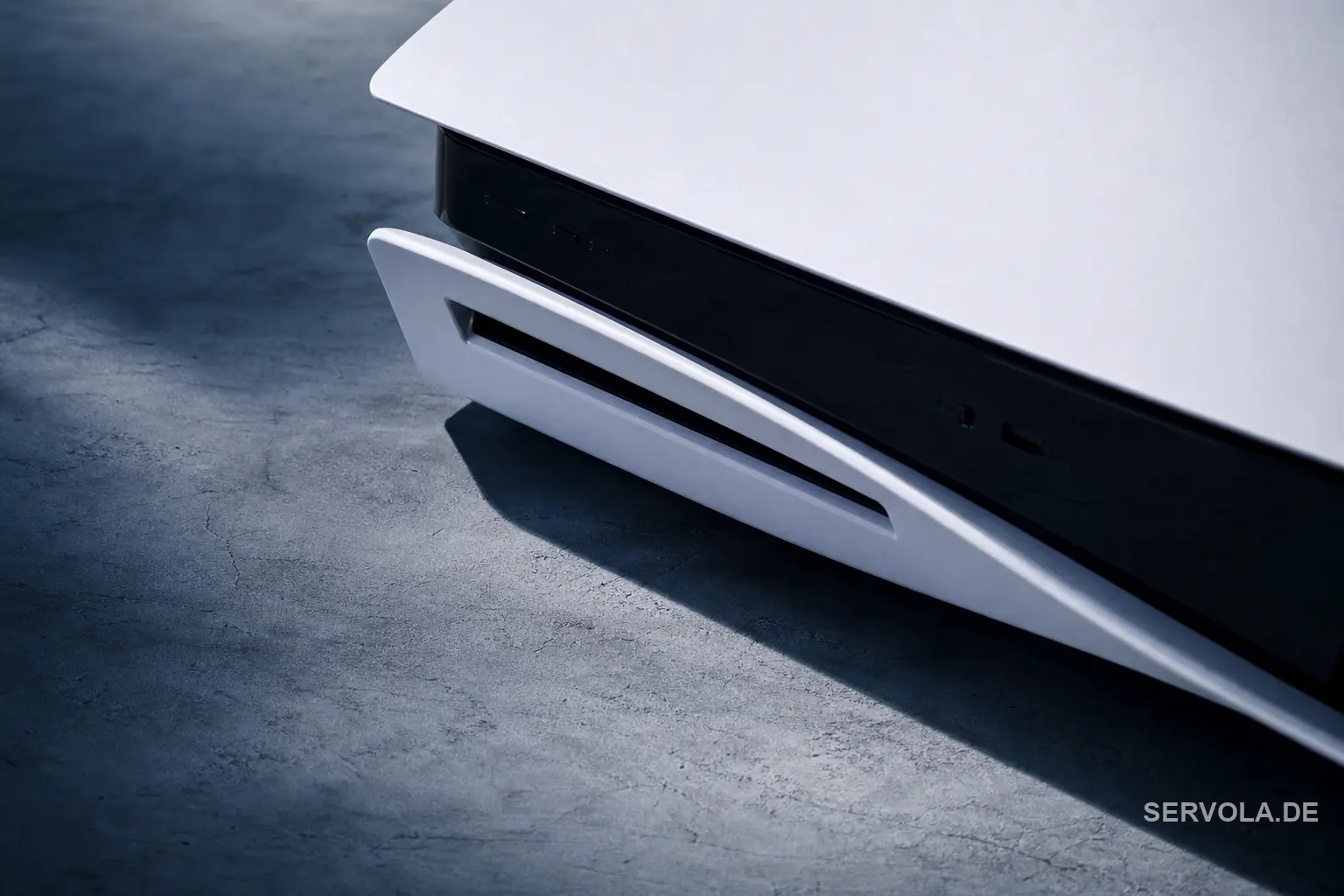
On Sony's July 31, 2026 shareholder and earnings Q&A, a shareholder pressed the company on the backlash to ending PlayStation disc production, and CFO Lin Tao answered with data rather than sentiment. Tao told the room Sony has "not seen any negative impact on sales" from the controversy and confirmed the company will not reconsider the January 2028 wind-down of physical disc manufacturing, a plan first disclosed roughly eighteen months in advance specifically so retailers and publishing partners could plan around it.
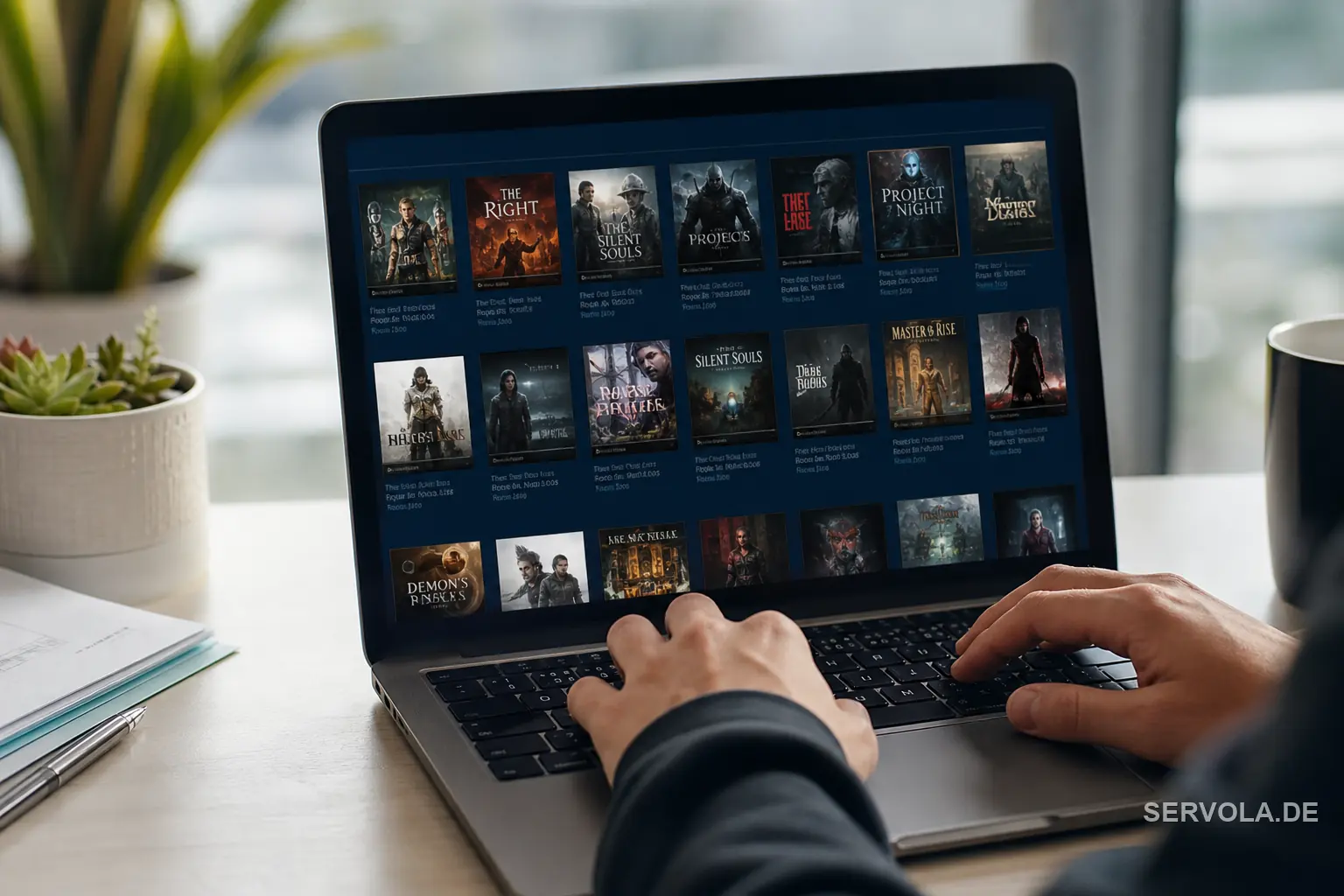
The confidence behind that answer sits inside Sony's own numbers from the same earnings release. Digital purchases made up 82 percent of the 66.1 million full-game units Sony sold in the April-June quarter, and PlayStation's monthly active user base reached a record 125 million accounts. Ending physical discs formalizes a shift that has already happened for the overwhelming majority of Sony's own customers, which is the base rate Tao was actually citing when she said the company sees no negative impact.
The Petition Is Loud. The User Base Is Enormous.
A "Don't Kill The Disc" petition tied to the backlash grew from roughly 120,000 signatures on July 6, 2026 to more than 345,000 by July 27, 2026, and the activist group Does It Play used that momentum to announce a week-long "PSBlackout" protest running August 23-30, 2026, asking players to skip logging in, playing, or buying anything on PlayStation platforms for the week. Does It Play's own framing admitted the ceiling on its leverage: organizers picked a release-light week deliberately, so the action was designed from the start to deliver what they called "minimal impact" on developers and publishers.
Set side by side, the numbers explain why Sony sounded unworried on the call.
| Signal | Scale |
|---|---|
| Don't Kill The Disc petition (Jul 27, 2026) | 345,000+ signatures |
| PlayStation monthly active users (Q1 FY2026) | 125 million accounts |
| Digital share of game unit sales (Q1 FY2026) | 82 percent of 66.1 million units |
| Sony's reported sales impact from the backlash (as of Jul 31, 2026) | None reported |
A petition of 345,000 names is a real, organized signal, larger than the population of a mid-size European city, but it sits under 1 percent of PlayStation's 125 million monthly active accounts, in a market where 82 percent of purchases were already digital before anyone organized a boycott of the remaining physical slice.
The Blackout Week Is the Experiment Sony Already Priced In
The PSBlackout protest starting August 23, 2026 is not a hypothetical test of Sony's confidence, it is a live one, arriving three weeks after Tao's earnings-call answer and giving both sides a real week of data instead of competing predictions. The number that will actually settle the argument is not PlayStation Store revenue for the week, which organizers deliberately scheduled during a slow release period and therefore built as a poor test of anything; it is whether PlayStation's weekly active user count visibly dips against its 125-million-account baseline, since a coordinated no-login week is the one action a petition can take that a company's own dashboards cannot ignore.
This is a base-rate problem dressed up as a culture-war headline: a loud, visible signal, a petition, a hashtag, a scheduled protest, competing against a quiet, high-volume signal drawn from real purchase behavior across 125 million accounts. Executives who reverse course on the loud signal alone are usually reacting to vividness, not evidence; Sony's bet, stated plainly on July 31, 2026 and unchanged since, is that the base rate wins, and the week of August 23-30, 2026 is where that bet gets checked against reality instead of against a press release.
Read next: Xbox's U-Turn Was on Marketing, Not the Games | Xbox Picked Up the Risk Sony Walked Away From