A living-room PC that cost more than its maker wanted
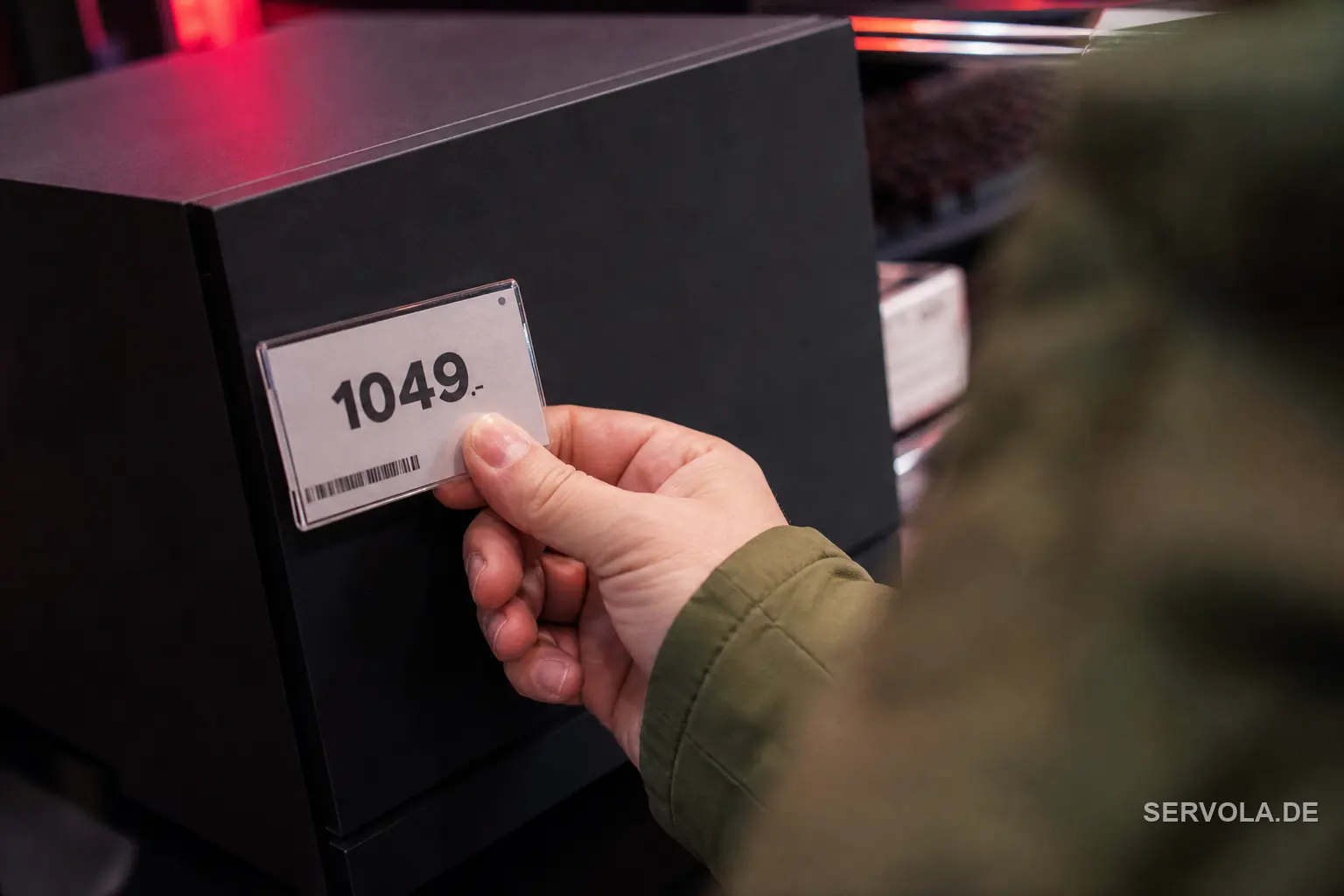
Valve set out to build a small, powerful console-style PC for the living room and to price it, by its own account, at around 750 dollars. When the Steam Machine went on sale at the end of June 2026, the entry model landed at 1049 dollars, with a 2TB version at 1349. In Europe that is 1039 euros and 1359 euros; in the United Kingdom, 879 and 1149 pounds. The bundle with the Steam Controller runs higher still.
Valve did not blame demand or greed. It said its original price goal was no longer viable, and pointed at the cost of memory and storage. That is an unusually plain admission from a hardware maker, and it is the reason this launch is worth more than a spec sheet. A company that controls its own store, its own operating system, and its own hardware design still could not hold the line it wanted.
Who outbid a gamer for the memory
The chips inside a Steam Machine come from the same factories that supply artificial-intelligence data centers, and those data centers are winning the bidding war. Microsoft, Google, Meta and Amazon are buying high-bandwidth memory in volumes that push Samsung, SK Hynix and Micron to move production toward higher-margin server parts. Every wafer sent to that market is a wafer not turned into the ordinary DRAM and flash a console needs.
The pricing shows it. Analysts at TrendForce tracked DRAM contract prices climbing around 95 percent in the first quarter of 2026 and rising again every quarter since, with NAND flash close behind. Nvidia has reportedly trimmed graphics-card output to protect its own memory supply. When the components that make a machine cheap all move at once, the finished price has nowhere to go but up.
Why this launch is the tell
The Steam Machine matters because Valve is disciplined and vertically capable, and it still shipped 40 percent over plan. That signals a structural tax, not a one-off. Fixed-price hardware categories, the ones sold at a headline number a shopper remembers, cannot quietly absorb a memory shock the way a premium laptop can pad it into a spec bump. When the floor under memory rises, the launch price rises with it.
This is not confined to gaming. IDC expects average PC prices up as much as 8 percent in 2026, and some vendors have started selling desktops with no RAM in the box so the buyer eats the volatility. Gartner has floated a heavier scenario still. Read together, the Steam Machine is the visible edge of a cost wave already moving through laptops, servers and phones.
What it changes for anyone buying hardware this year
The practical lesson is a reversal of the usual instinct. For most of the past decade, waiting made hardware cheaper, so patience paid. Through the memory crunch that logic is inverted: prices are drifting up, not down, and the analysts who track supply do not expect real relief before late 2027. Waiting now mostly buys a higher price later.
So budget on need, not on a hoped-for discount. If a gaming rig, a laptop fleet or a batch of edge devices is genuinely required this year, buy it and lock the cost while you can name it. If it is not required, the money is better held than spent chasing a sale that the memory market is unlikely to deliver. The Steam Machine is not an anomaly to wait out; it is the shape of hardware pricing for the next 18 months.
Read next: Valve's Steam Frame Ships Through a Reservation Queue | Nvidia Walks Back DLSS 5 Exclusivity Within Days of Launch