What Switch Actually Filed
Switch Inc confidentially filed for a US initial public offering on August 7, 2026, according to Bloomberg reporting later confirmed by other outlets. A confidential filing lets a company work through regulatory review with the Securities and Exchange Commission before its financial details become public, and Switch is reportedly working toward a listing as soon as November 2026. The underwriting syndicate includes five of the largest banks on Wall Street: Bank of America, Citigroup, Goldman Sachs, JPMorgan Chase and Morgan Stanley.
Two different valuation figures are circulating, and the gap between them matters. Early planning reportedly targets a valuation approaching 50 billion dollars including debt. Separate reporting describes a possible fourth-quarter capital raise of up to 10 billion dollars at a valuation closer to 80 billion. That is not a rounding difference: it is a 30 billion dollar spread on the same company within the same reporting window, which says as much about how unsettled data centre valuations are right now as it does about Switch specifically.
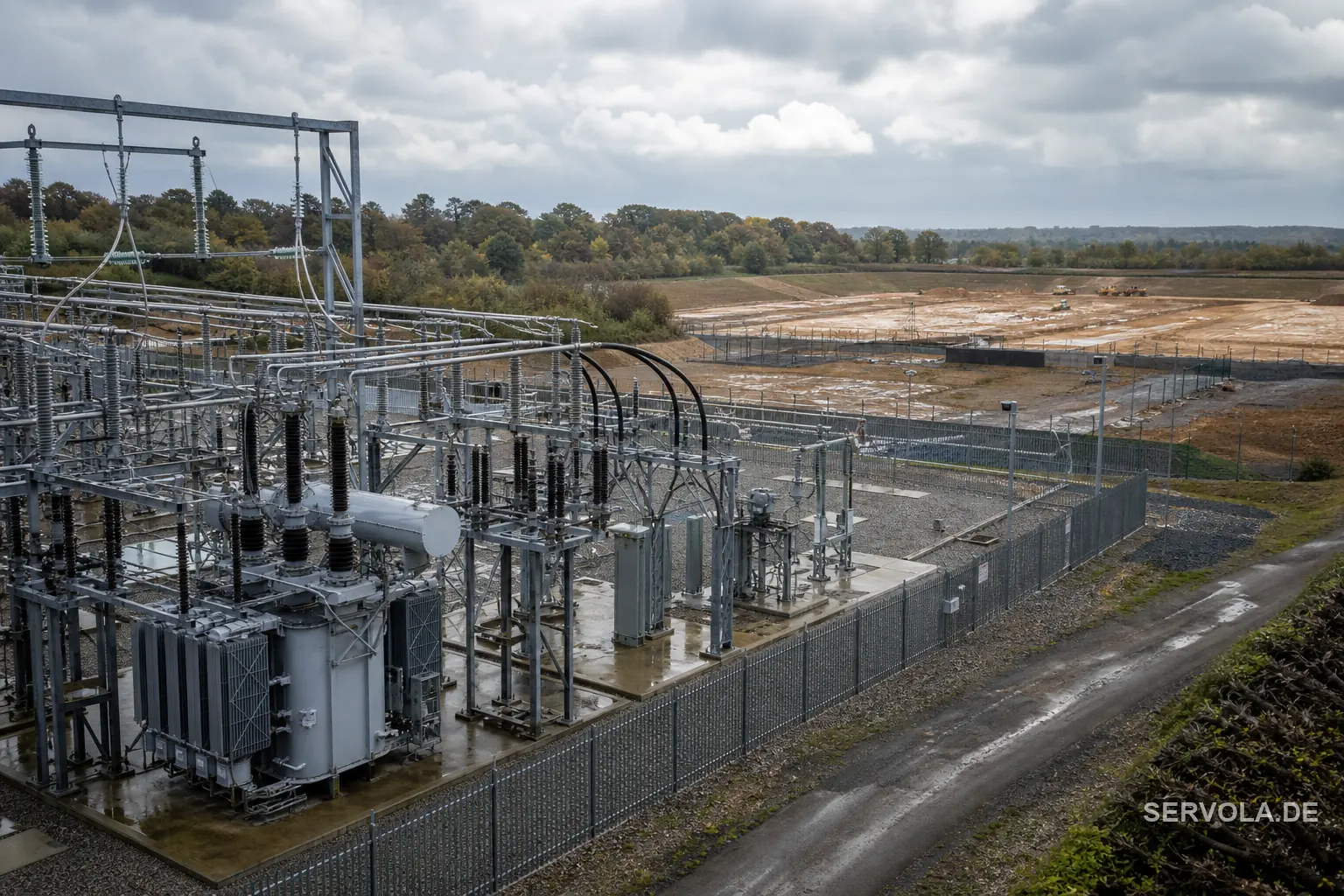
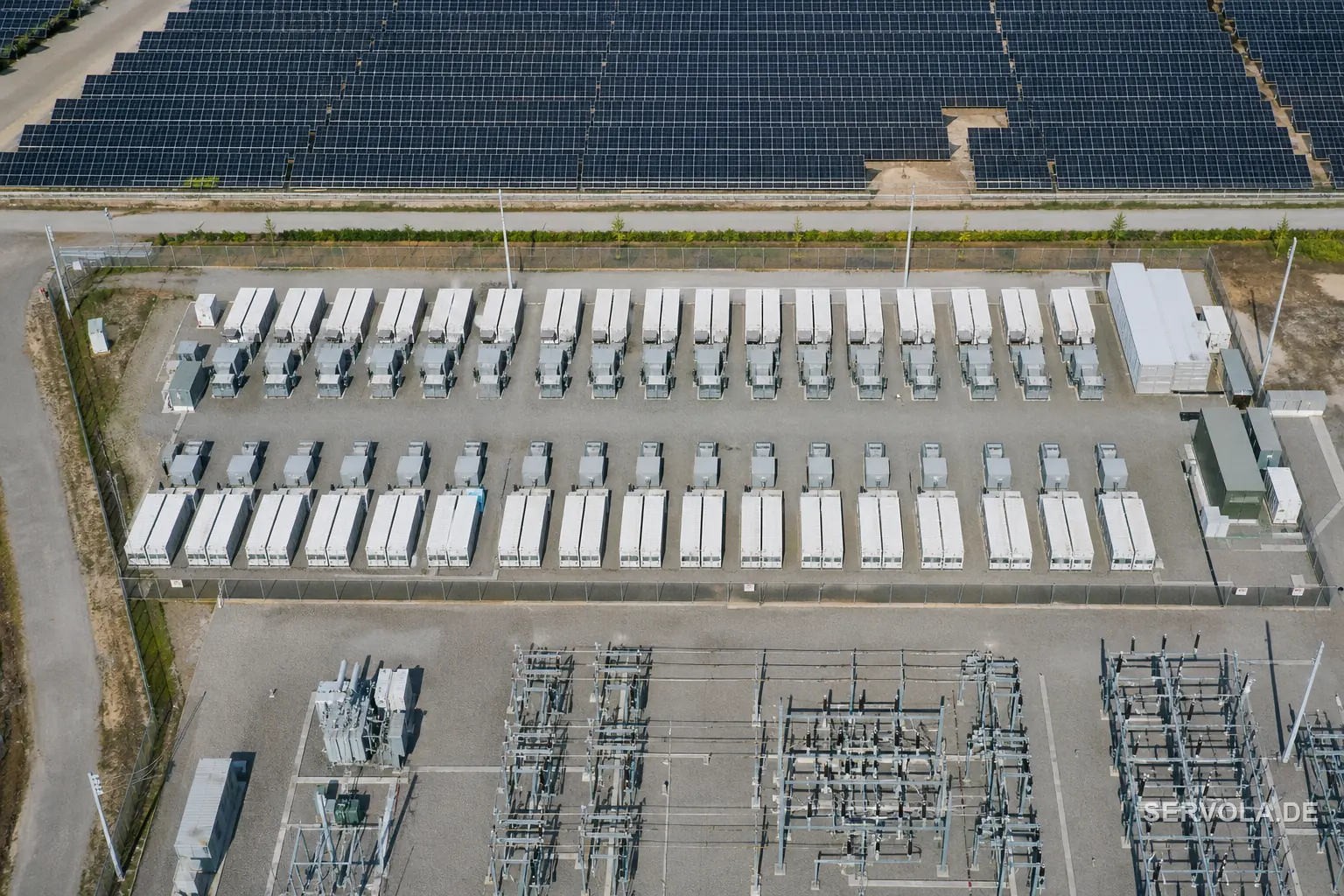
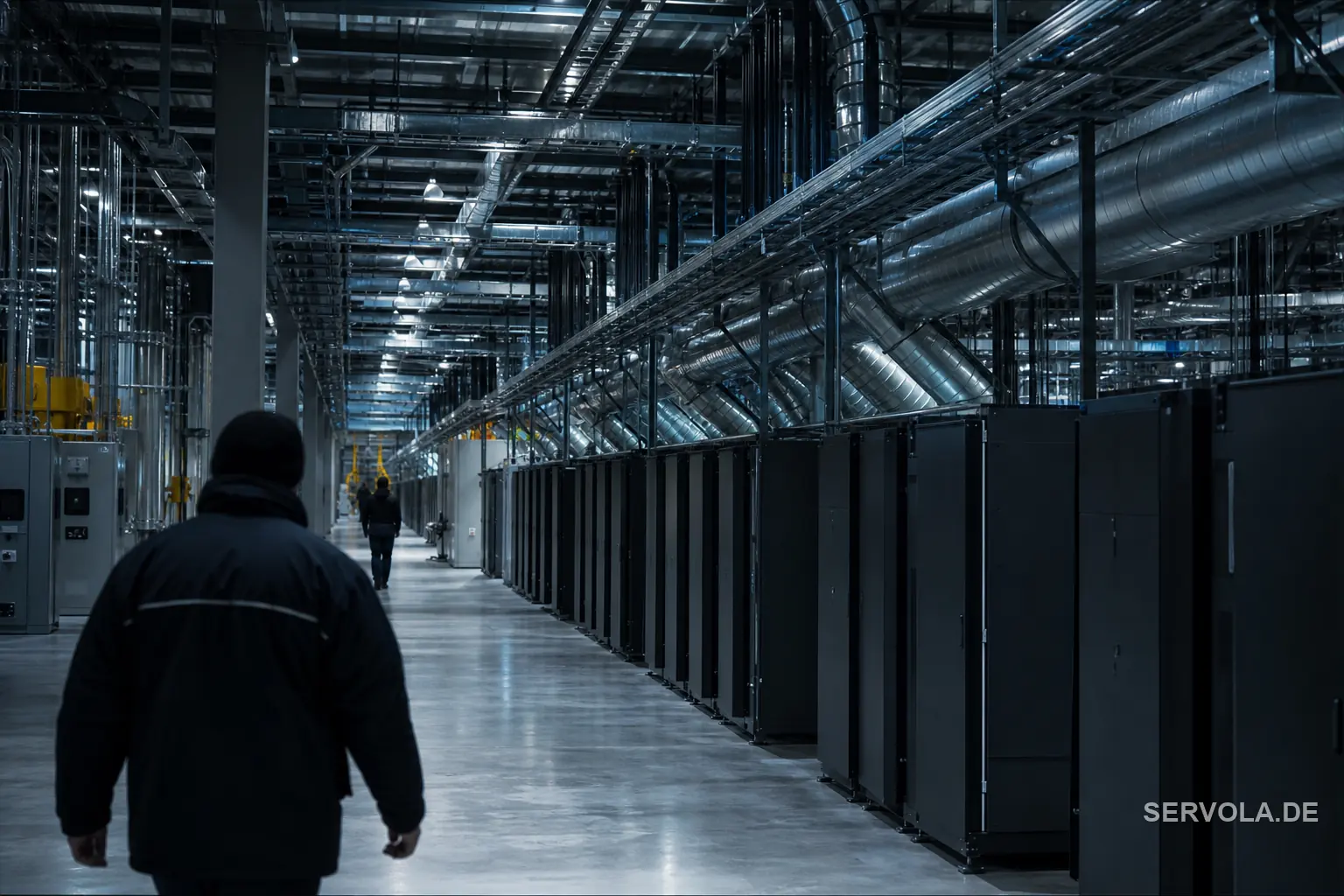
Switch's business is the physical layer underneath AI: it builds and operates large campuses that provide the power, cooling and network connectivity that cloud providers and enterprises need to deploy and run GPU clusters at scale. It is not a cloud provider or a chip maker; it is closer to a landlord for compute, and its IPO would be one of the largest public listings yet from that specific layer of the AI stack.
Why It Matters: the First Real Look at AI Infrastructure Unit Economics
Private data centre operators do not publish audited financials, so the true cost of building and running AI-scale capacity - land, power contracts, cooling infrastructure, depreciation on equipment that may be obsolete within a few GPU generations - has stayed largely hidden from anyone outside the company and its private investors. A public listing changes that. Once Switch trades publicly, it has to file quarterly results that expose real revenue, real margins and real capital expenditure, not the projections used to justify private valuations.
That transparency cuts both ways for the market. If the numbers hold up, a successful IPO validates the assumption that AI compute demand justifies today's data centre buildout at scale, and other operators seeking capital will point to Switch's public multiples as proof of concept. If the numbers disappoint, the same filing becomes the first hard evidence that data centre valuations have run ahead of what the underlying business can support, and that risk gets repriced across the sector, not just at Switch.
For any business currently leasing GPU capacity, negotiating a colocation contract, or budgeting a multi-year AI infrastructure spend, this is worth watching closely. A newly public major capacity provider gives buyers, for the first time, an independently audited reference point for what compute actually costs to deliver, rather than relying entirely on vendor pricing and vendor-supplied cost narratives.
Yes, but the Valuation Spread Is Itself a Warning Sign
A 30 billion dollar gap between the two reported valuation scenarios is not typical for a company this close to filing. It suggests bankers and early backers are still actively negotiating what multiple public markets will actually pay for data centre capacity tied to AI demand, rather than working from a settled consensus.
Some of that uncertainty is structural, not specific to Switch. AI compute demand is real and growing, but nobody has a long enough track record of AI data centre utilization, GPU depreciation curves, or power cost trends to model a confident 10-year valuation the way investors can for a mature real estate or telecom infrastructure business. Public investors buying into this IPO are underwriting a bet on how long the current AI buildout cycle runs, not just on Switch's specific campuses.
That does not make the IPO a bad idea for Switch or a red flag for the sector on its own. It does mean the eventual listing price, once it is set closer to the actual offering, will be a more informative signal than the current spread of pre-IPO estimates - and it is worth watching where that price lands relative to the 50 to 80 billion dollar range now being discussed.
What to Track Between Now and the Listing
Businesses with meaningful exposure to AI infrastructure costs - whether through direct GPU cloud spend, colocation contracts, or vendor pricing that ultimately passes through data centre costs - should watch three things as this IPO process develops: the final valuation set at pricing, the specific revenue and margin figures disclosed in the public prospectus once it is filed, and how the stock trades in its first weeks, which will reveal whether public investors believe the growth story or discount it.
Procurement and finance teams negotiating multi-year data centre or GPU capacity contracts now have a concrete near-term benchmark coming: Switch's audited numbers, once public, will be the most detailed disclosure yet of what large-scale AI infrastructure actually costs to build and operate. That is useful leverage in any negotiation where a vendor's cost justification has so far been unverifiable.
More broadly, a successful Switch listing at the higher end of its valuation range would likely accelerate IPO plans at other privately held data centre operators, expanding the pool of capacity providers competing for AI workloads - which over time tends to help buyers on price, even if the immediate signal from one IPO is about capital markets confidence rather than lower rents.
Read next: Anthropic's Biggest Deal Ever Died Weeks Before Its IPO | Oura's IPO Values A Health Ring At $16 Billion