A Federal Investigation Opens Within Hours
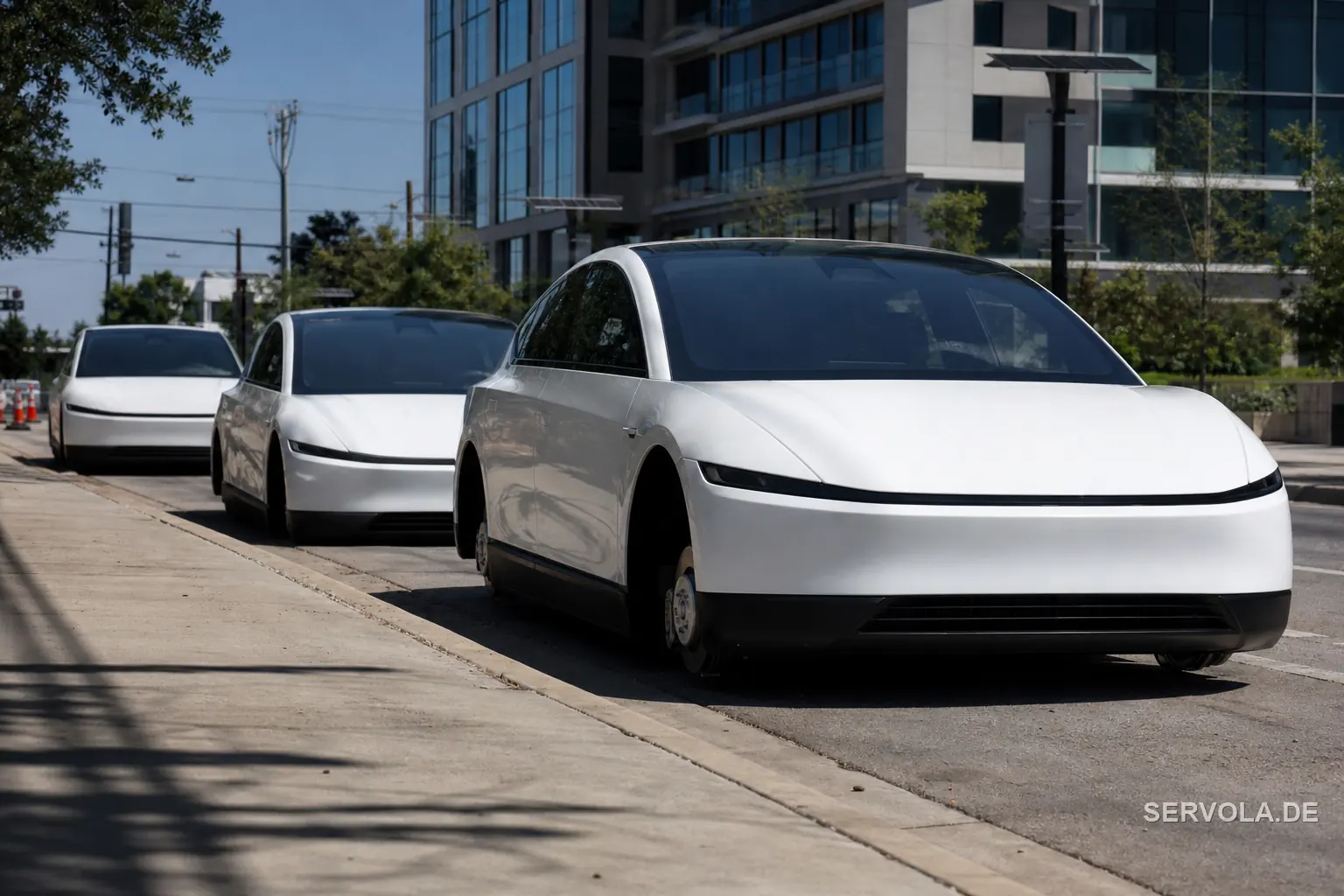
Tesla began commercial Cybercab service in Austin, Texas, on September 3, 2026, offering rides in a robotaxi that has no steering wheel, no brake pedal, no accelerator pedal, and no mirrors. The National Highway Traffic Safety Administration opened an investigation the same day. The case, an Open Audit Query numbered AQ26002 from NHTSA's Office of Defects Investigation, was prompted by public information and covers an estimated 1,000 Cybercab vehicles.
NHTSA Administrator Jonathan Morrison framed the agency's position directly: "NHTSA fully supports the safe development and deployment of automated vehicles. But as the federal regulator, we need to ensure that all of our laws are followed." The speed of the response, a formal probe opening on the same day commercial rides began, is itself notable against the backdrop of a design that removes every conventional manual control.
What NHTSA Is Actually Examining
The Federal Motor Vehicle Safety Standards were written assuming a human-operated vehicle, so most of them reference a steering wheel, pedals, or mirrors by name. Tesla's route around that was to self-certify the Cybercab as compliant by determining that a number of those specific standards do not apply to a vehicle with no human controls at all. NHTSA's investigation targets exactly that judgment call: the process and technical data Tesla relied on when it decided which standards to treat as inapplicable, and whether that determination was one the company was entitled to make on its own.
That question exists because of how US vehicle safety regulation is structured. A manufacturer self-certifies compliance and can put a vehicle into service immediately; NHTSA's Office of Defects Investigation checks the underlying reasoning afterward, and only opens a formal case when it has grounds to. Electrek's reporting adds that this is not Tesla's only open NHTSA matter: the agency already has a separate investigation covering 3.2 million Tesla Full Self-Driving vehicles over visibility-related crashes, and a Tesla remote operator was involved in a Robotaxi crash in Houston earlier this year. The Cybercab runs a version of the same FSD software stack.
Self-Certify-Then-Investigate Is a US-Specific Design
The mechanism that let roughly 1,000 wheel-less, pedal-less vehicles reach public roads before a regulator had reviewed the reasoning is not a loophole Tesla found; it is how the US system is built to work. A manufacturer's own engineers decide a design meets federal standards, or in this case, decide which standards do not apply, and the vehicle goes into commercial service on that basis. Government review is real, but it follows deployment rather than preceding it, which is exactly why NHTSA's Cybercab case only exists now, after the first paying rider stepped in.
Electrek's technical detail on the case is precise on this point: the investigation is not asking whether the Cybercab is unsafe in operation, it is asking whether Tesla was right that specific FMVSS clauses simply do not apply to a vehicle without manual controls. That is a determination about regulatory scope, made unilaterally by the manufacturer, that a federal agency is now reviewing after the fact.
The EU Route Runs the Approval Before the Road
A European operator planning to run a comparable driverless vehicle would not reach this stage this way. Under the EU's UNECE-based type-approval framework, a new vehicle category, and especially one that removes standard manual controls, requires an approval authority's sign-off on the vehicle's design and safety case before it can be placed on the market at all, not an after-the-fact review triggered by public information once vehicles are already carrying passengers. The order is reversed: approval first, road second, rather than road first, audit second.
This is not a claim that one system is safer in outcome; NHTSA's own precedent shows the US model can and does work, since Amazon's Zoox went through a similar investigation process before receiving final regulatory approval for commercial robotaxi service in Las Vegas in July 2026. The difference that matters for anyone evaluating where to deploy a steering-wheel-free vehicle is sequencing and timing risk: in the US, a manufacturer can put a novel design on the road commercially while its core compliance judgment is still open to challenge; in the EU, that same judgment has to clear a regulator before a single paying passenger gets in.
What This Means for Anyone Evaluating Robotaxi Deployment
Table: the deployment paths compared
| Step | United States (Cybercab) | EU (UNECE type approval) |
|---|---|---|
| Compliance decision | Manufacturer self-certifies | Approval authority certifies |
| Regulator review timing | After deployment | Before deployment |
| Case reaching this stage | AQ26002, opened Sep 3, 2026 | Not applicable pre-launch |
| Vehicles affected here | Approx. 1,000 Cybercabs | Zero until approved |
For an operator, investor, or policymaker weighing where to launch a wheel-less robotaxi, the Cybercab case is a live demonstration of the trade-off each system accepts. The US path lets a company reach paying customers faster, at the cost of running commercially under an open federal question about whether its own compliance reasoning holds. The EU path is slower to a first ride, but a vehicle that has cleared type approval is not later exposed to the kind of same-week audit query Tesla is now facing. Neither path guarantees the vehicle itself is safe; they guarantee different points at which that judgment gets tested.
Read next: 25,000 Robotaxis Are Coming to Europe. The Car Is Not Built Yet. | London's Robotaxis Launch With Fewer Than 20 Cars