What the filing actually shows
Nscale filed paperwork this week to go public at a $35 billion valuation, and one paying customer explains most of the growth behind that number. The company's own numbers show 73 percent of its 2025 revenue, out of $33 million total, came from a single account. The filing's risk-factors section describes "a limited number of customers" in the abstract and never puts a name to the one that matters most. That name surfaces only once, buried in an exhibit describing a September 2025 loan from Macquarie, where the customer is identified as Spring (SG) Pte. Ltd.
The loophole the IPO depends on
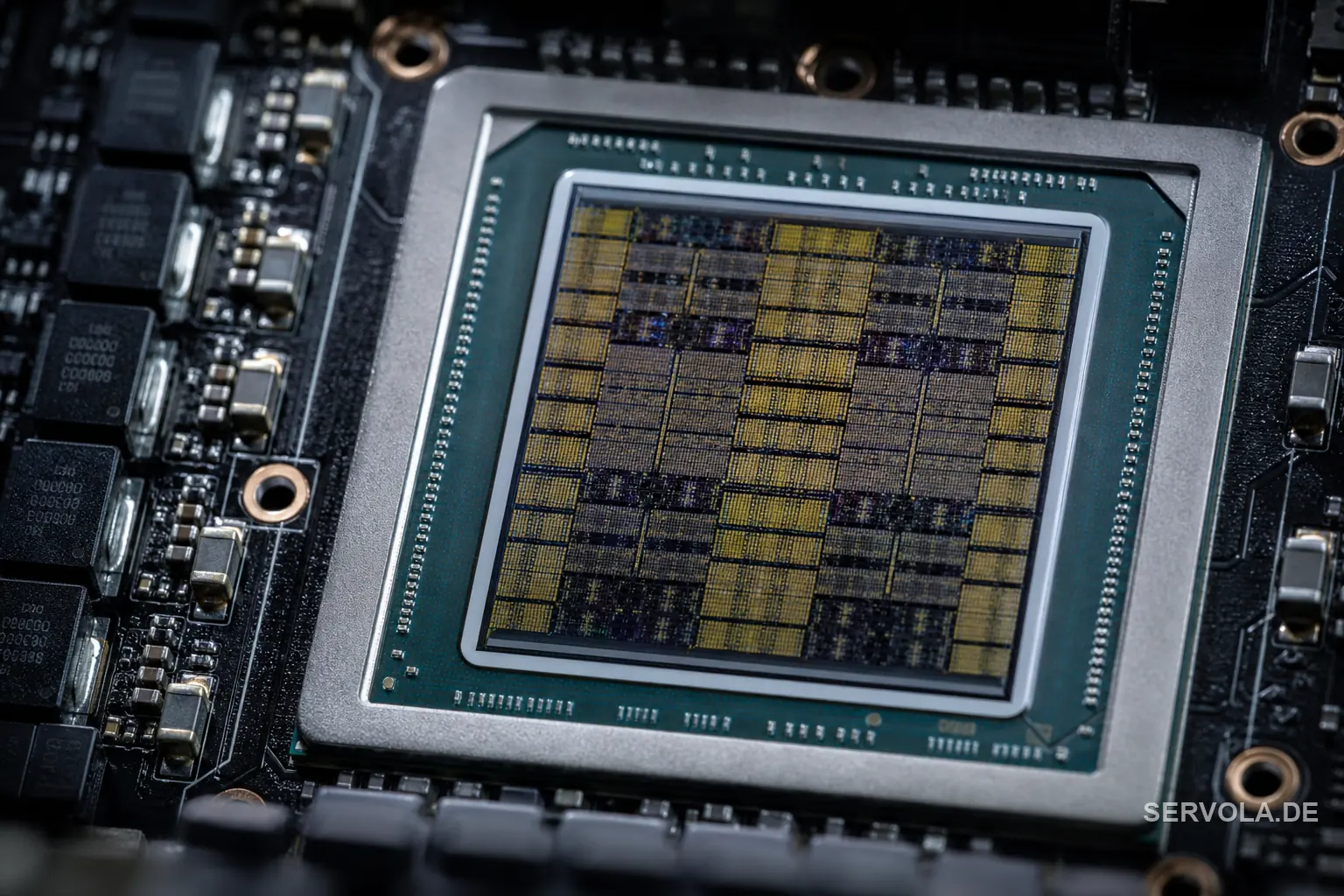
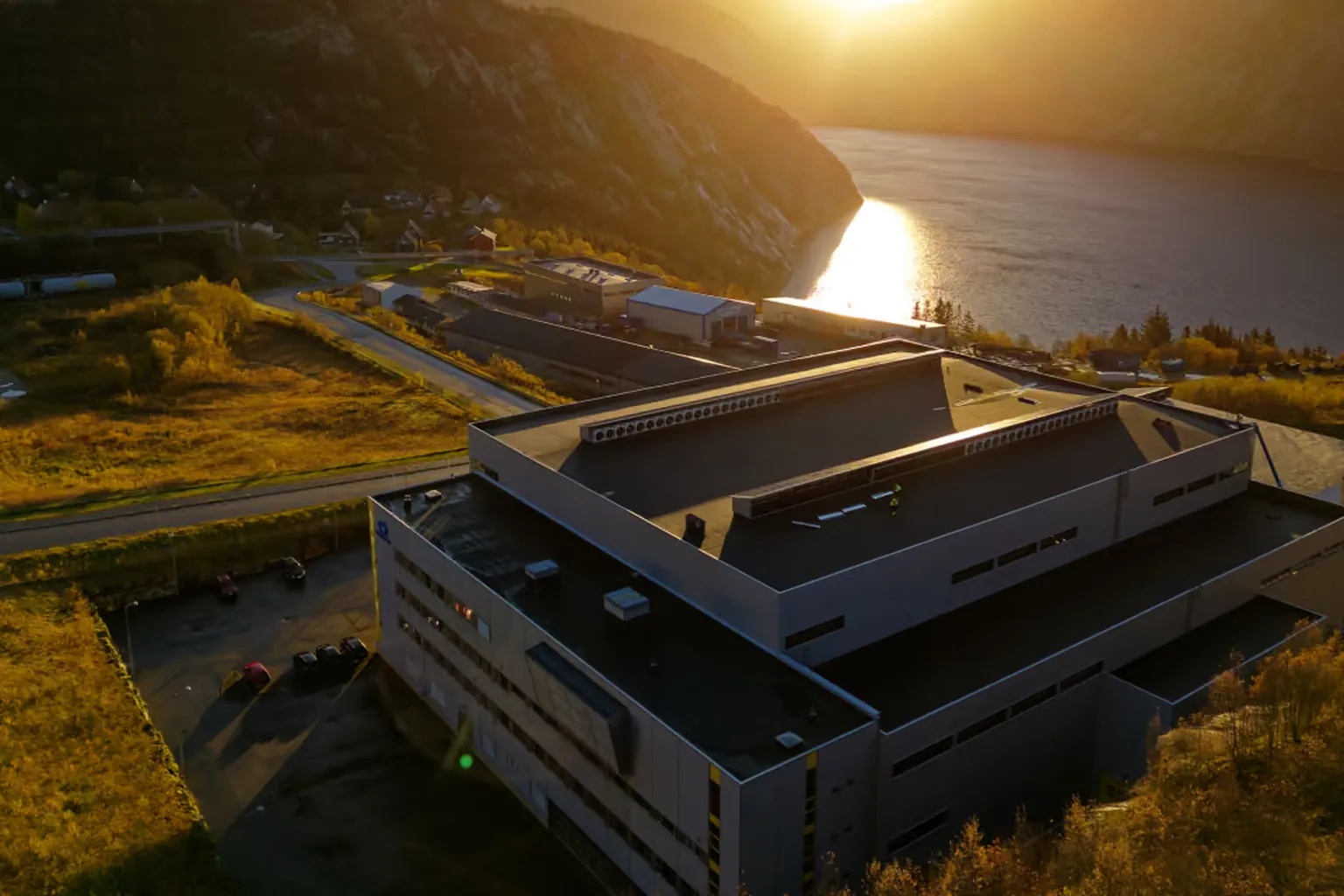
Spring is a ByteDance subsidiary, and the reason its name never reaches Nscale's own risk disclosure is not secrecy. It is that the arrangement is legal. US export controls restrict who is allowed to own an Nvidia processor, not who is allowed to log in and rent its compute over a network from somewhere else. ByteDance never took possession of a chip. It rented time on 2,304 Nvidia B200 GPUs that Nscale owns and operates at its Glomfjord facility, above the Arctic Circle in Norway, and paid for the privilege like any other cloud customer. Nothing in the current rule reaches that.
| Period | Total revenue | ByteDance/Spring share |
|---|---|---|
| 2025 (full year) | $33 million | 73 percent |
| H1 2026 | $140.6 million | 52 percent |
Who else is paying the bills
The concentration eased in early 2026, and the business around it kept growing. Nscale reports $56.4 billion in remaining performance obligations and $103 billion in total contracted value, anchored by two other customers investors will recognize. Microsoft has committed $43.8 billion in compute purchases running through December 2033, and Anthropic has committed $44.6 billion. Those two contracts are why underwriters can point to a business bigger than one Chinese-linked account, even though that account was, for a full year, the largest single reason the facility existed at all.
The sovereignty question this filing was never asked to answer
Glomfjord sits in Norway, inside the EEA and NATO but outside the EU, on hydroelectric power a European utility built for exactly this kind of load. European and UK policymakers spent 2026 arguing over what counts as sovereign AI infrastructure: whose chips, whose cloud, whose jurisdiction. Nscale's filing quietly answers a narrower version of that question the debate has not caught up to yet. Physical location decided nothing here. Ownership of the silicon decided nothing here. The only thing that mattered to US export enforcement was who held the keyboard, and a company built to sell compute to whoever will buy it has no reason to ask who that is until a regulator makes it a condition of the license, not a footnote in someone else's loan agreement.
Read next: Europe's Pension Funds May Buy a Circular AI Bet | A Sanctioned Chipmaker Kept Buying Nvidia Anyway