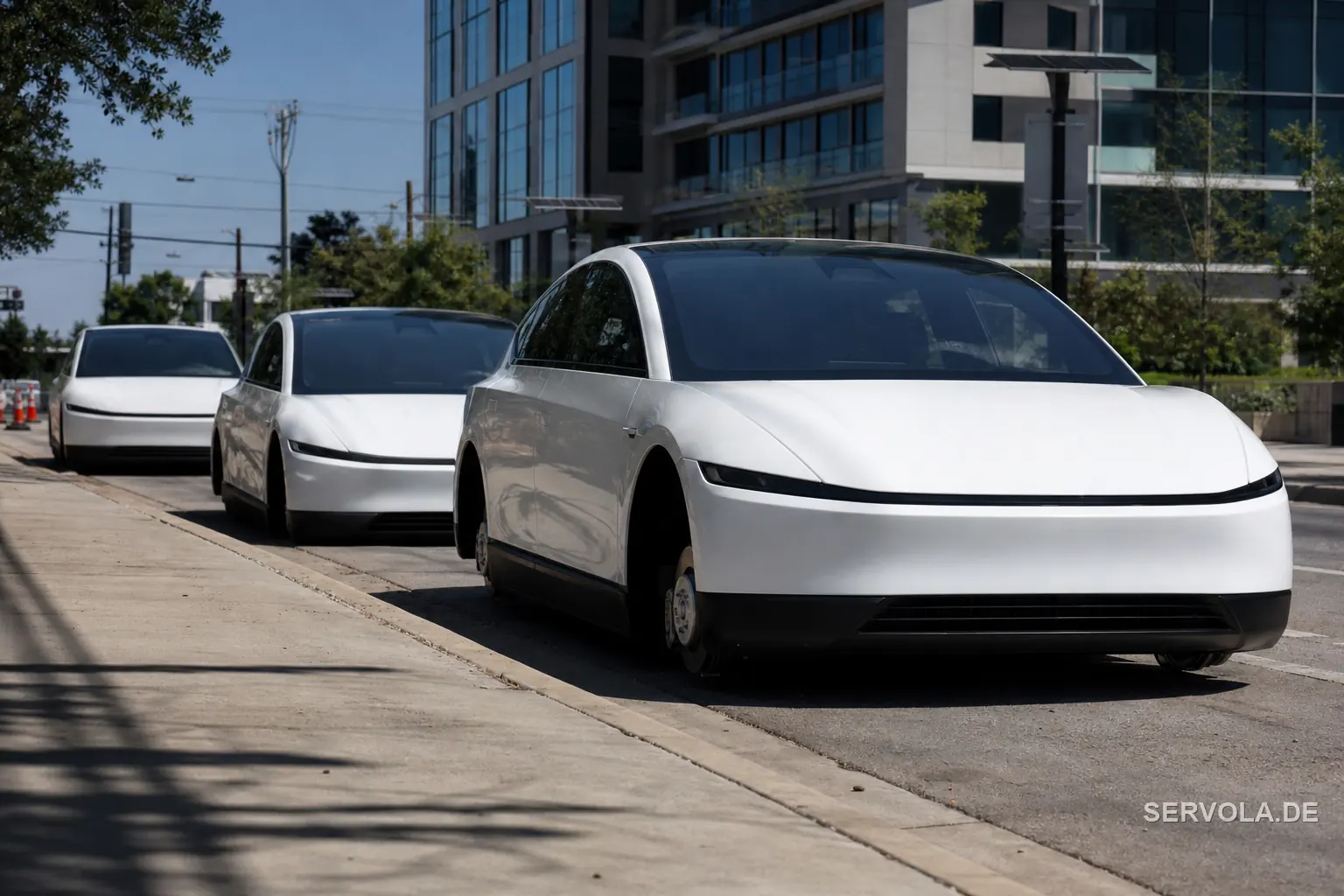
One record quarter, two very different stories
On July 2, Tesla published a delivery number that its own investors had stopped expecting: 480,126 vehicles in the second quarter of 2026, roughly 74,000 above the analyst consensus of 406,024 and up 25 percent from the same quarter a year earlier. It was the company's strongest second quarter ever and, more importantly, its first year-over-year delivery growth after two straight years of decline. Production ran to 451,758 units, of which 467,762 delivered vehicles were the mass-market Model 3 and Model Y. Energy storage deployment climbed past 13.5 GWh, more than 40 percent above the prior year.
The same week produced a second number that reframes the first. BYD delivered 557,090 fully electric vehicles in the same quarter, roughly 77,000 more than Tesla. The Chinese manufacturer's lead did narrow, which is the story most coverage led with. The more durable fact is the one underneath it: for the current generation of electric cars, the company that sets the reference point for price, volume and battery cost is no longer American or European. It is in Shenzhen.
The price floor moved, and a tariff is holding it up
Why it matters: for a European buyer, a fleet manager or a family replacing one car, the relevant signal in these results is not Tesla's recovery. It is that the global EV cost curve is now anchored by a manufacturer whose cheapest capable models undercut Western equivalents on price. Inside the European Union that gap is not currently visible at full size, because EU countervailing duties on Chinese-built EVs sit on top of the sticker price. Strip the tariff away and the entry price of a competent electric car falls sharply. The wall is policy, not engineering.
Yes, but: tariffs are a moving target, not a fixed floor. They are set for defined periods, subject to review and to trade negotiation, and Chinese makers are already building European plants to sit inside the wall rather than behind it. A purchase decision anchored to today's protected price is exposed to a schedule that can be renegotiated faster than a five-year fleet cycle. That is a planning risk, not a talking point.
What a European fleet or buyer should do with this
The bottom line: treat an EV purchase or fleet order as a decision with a tariff variable in it, the way you would treat any input cost that a regulator controls. A business in Germany or the Netherlands ordering 40 vans should model two prices: today's duty-inclusive figure and the figure if duties fall or if a Chinese maker's European-built model arrives mid-cycle. Residual values follow the same logic, because a fleet bought at a protected price can depreciate faster if the protection eases and cheaper equivalents flood the used market.
For a household, the practical move is narrower but the same in shape. A capable electric car in the 30,000 to 40,000 euro band is now a genuinely competitive purchase, and the choice set widens every quarter as Chinese models clear European type approval. The mistake to avoid is reading Tesla's rebound as the market clearing at a new high price. The market is clearing lower; a duty is the reason your local price does not yet show it.
Read next: Apple Called Vision Pro a Long Journey the Week Its Sequel Stalled | Meta Built a Camera-Free Exit From Its Privacy Mess