What Samsung actually priced
Samsung unveiled its new foldable and wearable lineup, the Galaxy Z Fold8, Galaxy Z Fold8 Ultra, Galaxy Z Flip8, Galaxy Watch9 and Galaxy Watch Ultra2, at its Galaxy Unpacked event on 22 July 2026, and confirmed a starting price for the base Galaxy Z Fold8 on stage. Full European retail pricing followed as the devices reached general availability in the first week of August, reported by SamMobile, a specialist outlet that tracks Samsung's own regional pricing, with CNBC covering the same launch.
The numbers are concrete. The Galaxy Z Fold8 starts at 1,999 euros for the 256GB model, rises to 2,199 euros for 512GB and 2,599 euros for 1TB. The Galaxy Z Fold8 Ultra runs from 2,199 euros to 2,799 euros across the same three storage tiers. The Galaxy Z Flip8 starts at 1,299 euros for 256GB and 1,499 euros for 512GB. The Galaxy Watch9 ranges from 409 euros for the 40mm Bluetooth model to 489 euros for the 44mm LTE version, and the Galaxy Watch Ultra2 with LTE reaches 749 euros. Every one of these figures sits above the price of the equivalent prior-generation device.
The same story, a week apart, from an unrelated company
Nine days before Samsung's devices reached shops, Microsoft raised the prices of the Xbox Series S and Series X across Europe and the United Kingdom, effective 1 August 2026. Servola covered that increase separately: Microsoft was explicit that the cause was a memory and storage component crisis, stating that DRAM and storage component prices had risen by more than 2.5 times, with a further doubling expected by autumn 2027.
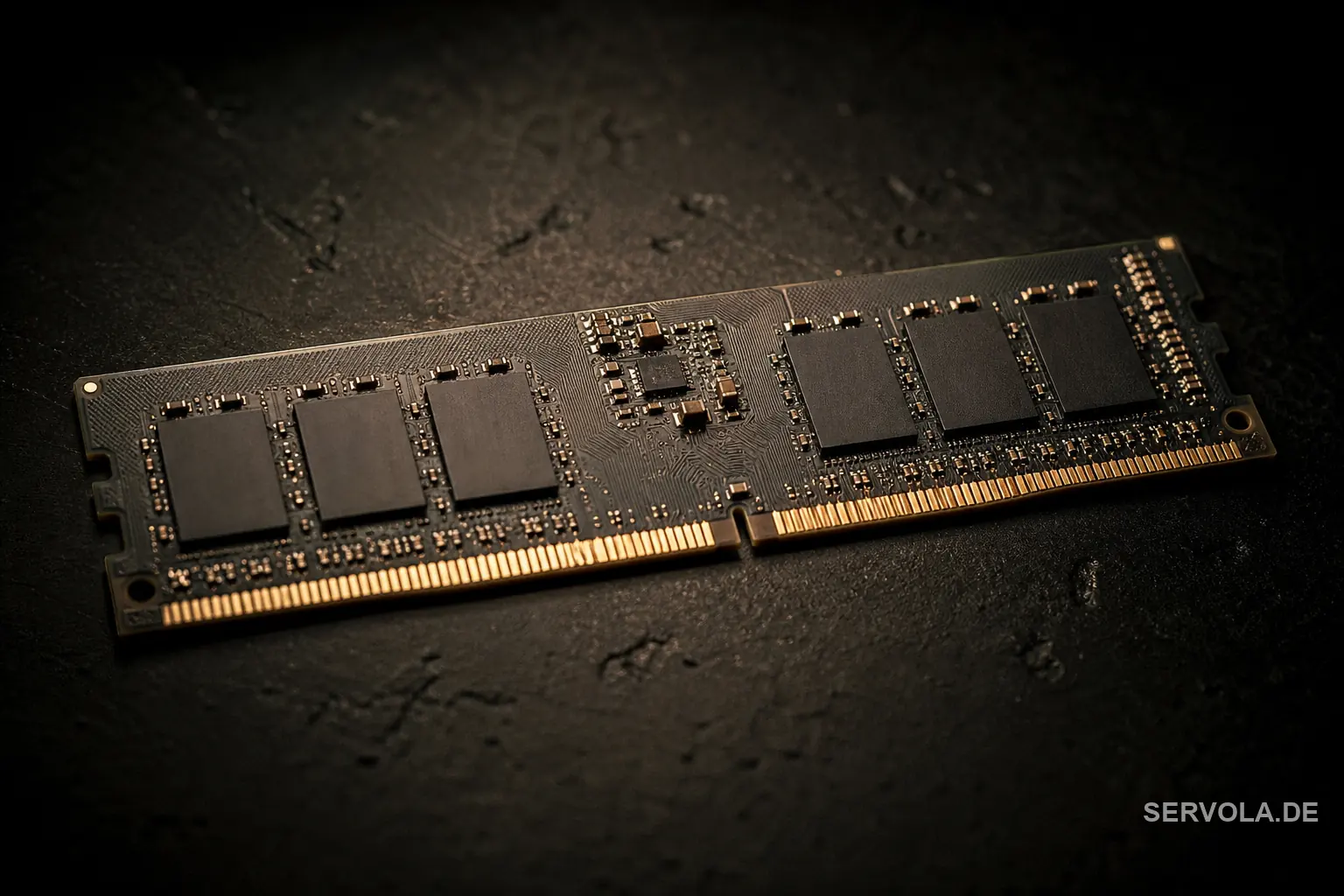
Samsung has not used the same numbers, and it would be wrong to import Microsoft's figures into a story about phones. But the stated cause lines up: Samsung and the coverage around the Unpacked pricing attribute the increase mainly to rising DRAM and NAND memory prices during 2026, the same underlying component category Microsoft named for consoles. Two companies, two categories, one week apart, pointing at the same input cost.
Why two unrelated products confirm a supply-chain-wide shock
A games console and a premium folding phone could not be more different. One is a fixed-function device sold near or below its manufacturing cost, built by a company whose business is software and services. The other is a flagship handset with a wide margin, built by a company whose business is components and devices, including memory chips it manufactures itself. They compete for nobody's budget in the same aisle.
That difference is what makes the pattern worth noticing rather than dismissing as coincidence. If only one vendor raised prices, the honest read would be a margin decision or a currency adjustment specific to that company. When two companies this unrelated raise EU/UK prices in the same window and both name the same component category as the reason, the more likely explanation is that the shock sits upstream of both of them, in the memory supply chain itself, and every device maker buying from that chain is exposed to it regardless of what they build.
What this means for your own procurement calendar
Few businesses buy folding phones or games consoles at scale, but almost every business buys laptops, phones, servers or networked devices that carry meaningful DRAM or NAND content, and all of it draws from the same constrained supply Samsung and Microsoft are both describing. A hardware refresh that looked routine six months ago now sits inside a window where the underlying component cost is moving, not flat.
The practical guidance: build a memory-price contingency into budget planning for any refresh in the next 12 to 18 months. Where timing is flexible, treat 'buy before the next price step' as a genuine planning input rather than vendor urgency messaging, because in this case two unrelated vendors have independently told you the step is coming.
Read next: Memory Got This Expensive For Two Separate Reasons | On 1 September Every Snapdragon Costs More