The date Nintendo drew a line under cheap hardware
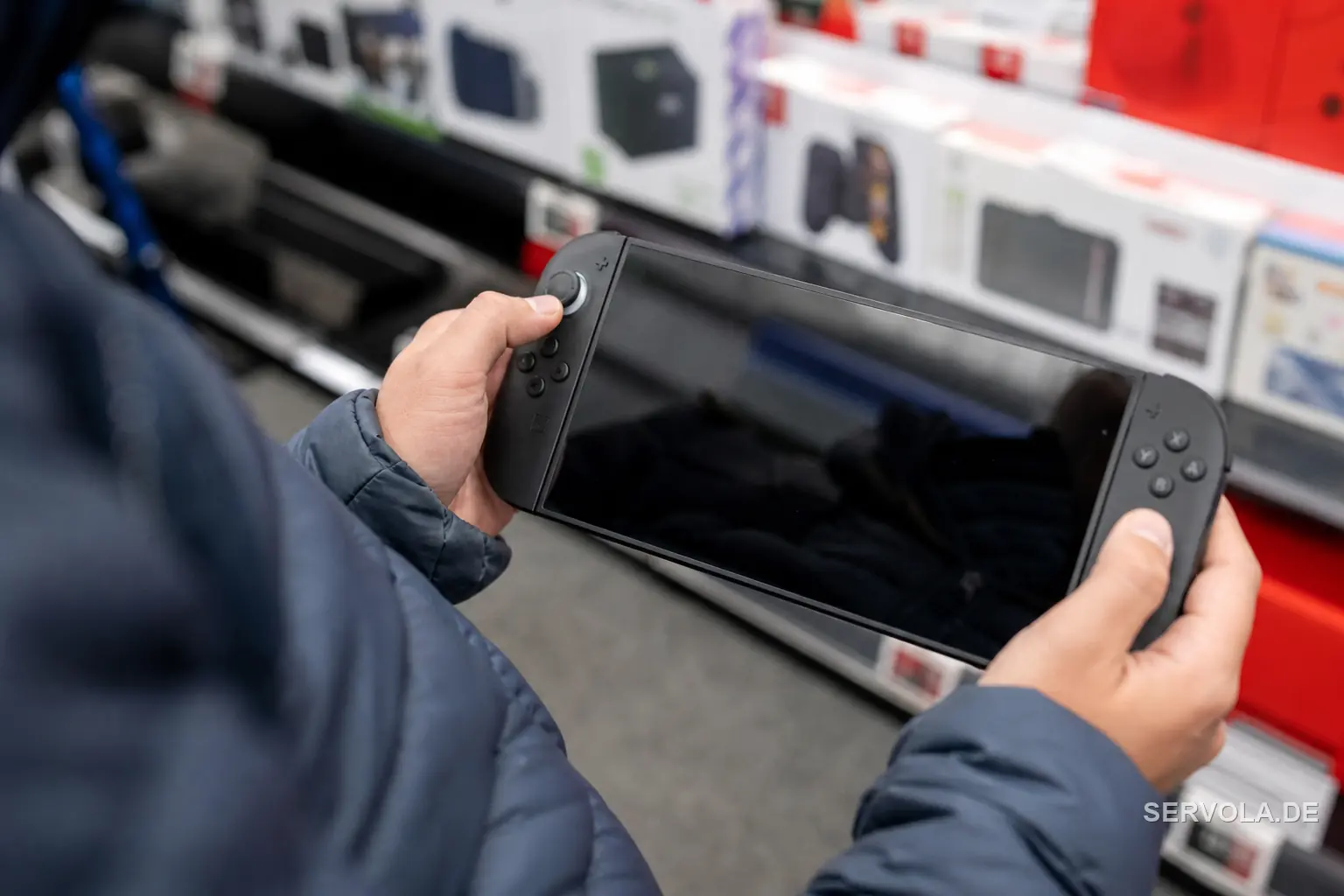
When Nintendo published its price revision, the language did the work the number could not. The company was not calling the increase a temporary reaction to a bad quarter. It pointed to "various changes in market conditions, which are expected to extend over the medium to long term." From 1 September 2026, the Switch 2 rises from 469.99 to 499.99 euro across Europe, a 30 euro increase confirmed by Nintendo's own store pages and reported alongside the company's May earnings by CNBC and 9to5toys. The United States moves the same day, from 449.99 to 499.99 dollars, and Japan absorbed its own increase back on 25 May.
The reason matters more than the euros. Nintendo tied the move to structural cost pressure: memory-chip prices inflated by AI demand, tariffs, and unfavourable exchange rates, and it warned of a roughly 100 billion yen hit to the financial year ending March 2027. This is a company that sold the original Switch by the hundred million holding its most successful hardware in a generation and still deciding the margin no longer works at the old price. When a maker with that kind of scale blinks, it is telling the market the cost floor has moved.
Why it matters: the buy-window is now a planning signal
Why it matters: a console is a consumer toy, but the pricing decision behind it is a procurement signal for every owner who equips staff with hardware. The memory shortage driving Nintendo's move is the same one raising the cost of business laptops, phones and tablets, and Nintendo has just demonstrated the response pattern: absorb it once, then reprice permanently and tell customers to expect it to last. The 1 September cutover creates a clean buy-at-old-price window that closes on a known date. That is exactly the shape device pricing across the market is taking.
Yes, but: a one-off 30 euro rise on a games console is trivial to a business. The point is not the amount, it is the precedent and the timing. If you are planning a fleet refresh - staff phones, field devices, laptops on a three-year cycle - the lesson is that waiting is no longer neutral. In a falling-price era you waited to buy cheaper. In this era, waiting past a known cutover date costs you money, and the makers are now telling you the cutover dates in advance.
The bottom line: front-load the refresh you were going to do anyway
The bottom line: treat announced price cutovers as deadlines, not suggestions. If a hardware refresh is already on your roadmap for the next two to three quarters, the memory-cost trend and Nintendo's explicit medium-to-long-term framing argue for pulling it forward rather than pushing it back. The saving is not dramatic per unit, but across a fleet it is real, and it is the rare procurement decision where the maker has handed you the deadline in writing.
The deeper takeaway is to stop budgeting device costs on last year's prices. Nintendo has said out loud what most makers are managing quietly: the component-cost step is structural, and the pricing that follows it is meant to stick. Build your hardware budget on the new floor, buy ahead of the cutovers you can see, and stop treating a memory-driven rise as a blip you can wait out.
Read next: Honor's 2,300 Euro Foldable Ships at 1,700 for One Month | All Three Console Makers Raised Prices In 2026