The count went up while the case went on
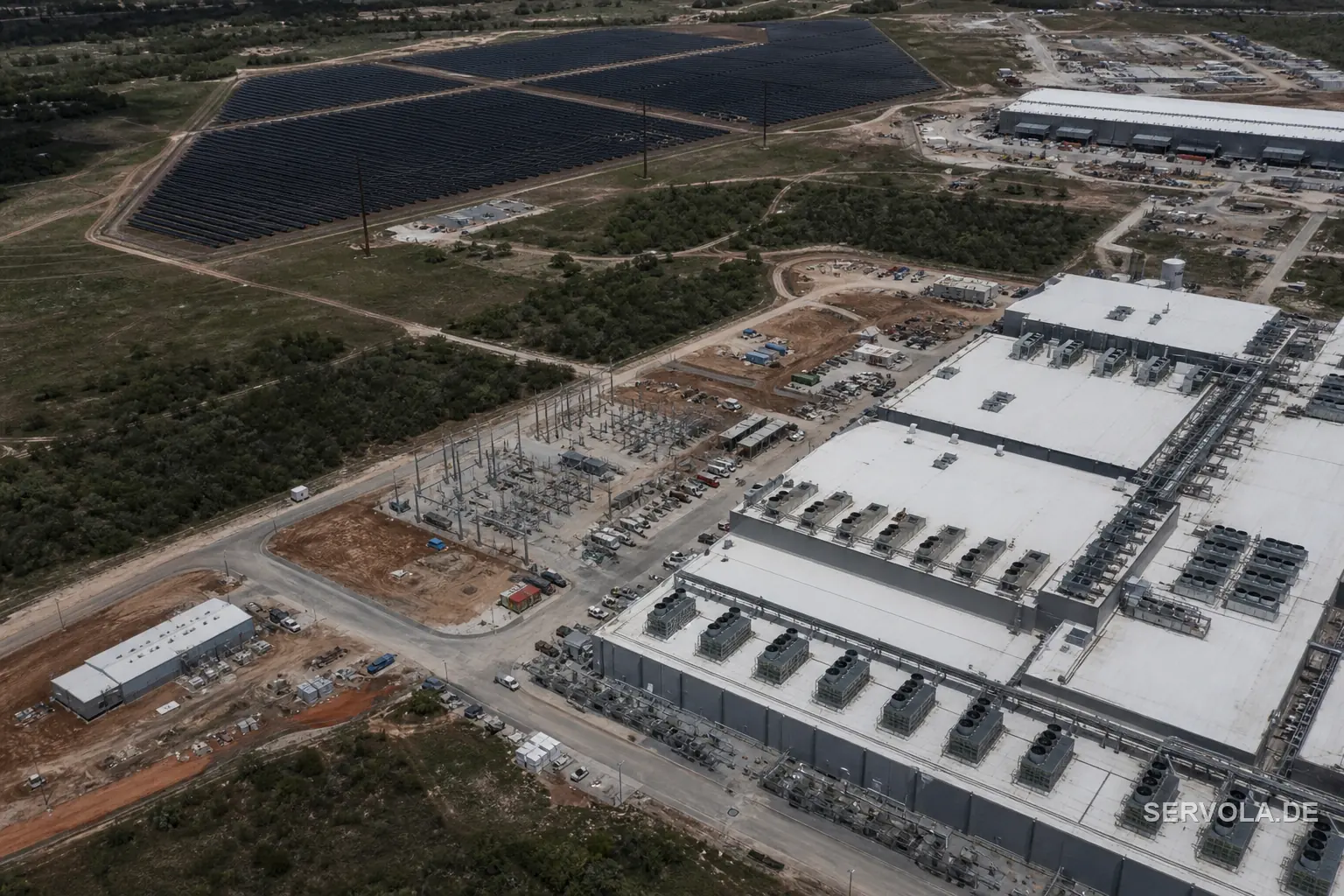
On 14 April 2026 the national NAACP and its Mississippi State Conference filed suit in federal district court for the Northern District of Mississippi against xAI and its subsidiary MZX Tech, represented by the Southern Environmental Law Center and Earthjustice. The complaint described 27 gas turbines operating without an air permit at Southaven, Mississippi, powering the Colossus 2 data centre across the state line in South Memphis, and asked the court to halt them, order best available control technology and assess penalties for each day of violation.
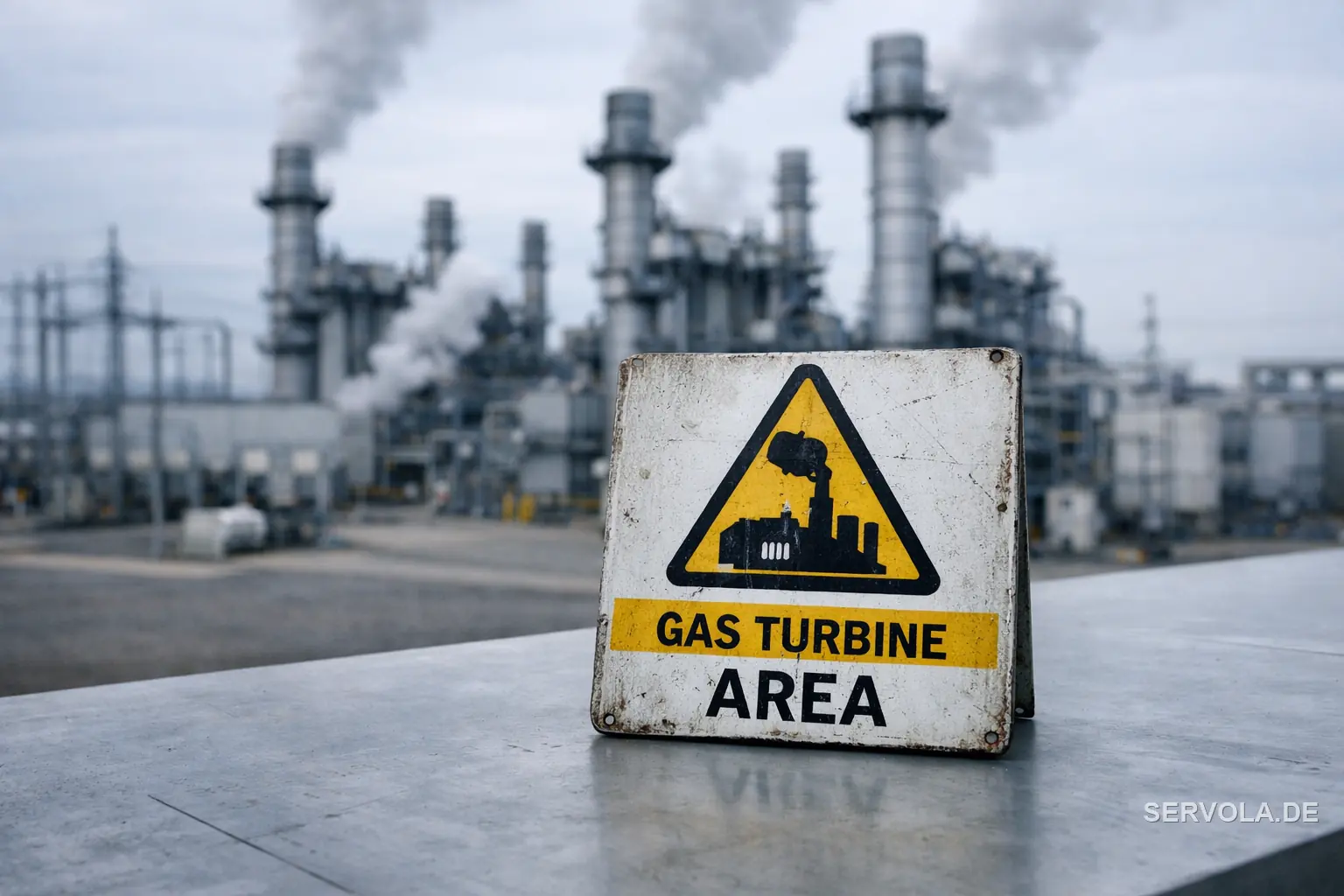
Three and a half months later the number is larger, not smaller. Reporting on 31 July puts 69 gas turbines currently operating at the site without permits, with removal of the unpermitted units running to July 2027. The company's position has been that units mounted on shipping trailers fall outside the permitting requirement, a reading the applicable federal rules do not support given their size and pattern of use.
The emissions arithmetic scales with the fleet. The April complaint put the 27 units' potential annual output at more than 1,700 tons of nitrogen oxides, 180 tons of fine particulate matter, 500 tons of carbon monoxide and 19 tons of formaldehyde. Against the larger fleet the July figure for nitrogen oxides alone exceeds 2,000 tons a year. The site sits in a region already among the most polluted in the United States.
Two tracks, and only one of them is on time
What makes this instructive rather than merely contentious is that the lawful route was never abandoned. A permitted permanent plant of 41 gas turbines, individually rated between 16.48 and 50 megawatts and totalling 1.2 gigawatts, is being built at the same location. The company is not refusing to obtain permits. It is obtaining them on a schedule that trails the schedule on which it needed the power.
That gap is the entire mechanism. Compute demand arrived in 2025 and 2026; the permitted plant arrives later; the unpermitted fleet covers the interval. Whatever the court eventually rules, the machines will have done the work they were installed to do. A remedy that removes equipment in July 2027 does not restore the eighteen months in which a competitor without that equipment was waiting in an interconnection queue.
The federal posture removed the last constraint that might have compressed the timeline. In June 2026 the Department of Justice sided with SpaceX, which acquired xAI in February 2026, characterising the turbines as a matter of national, economic and energy security. Once a sovereign describes your unpermitted generation that way, the enforcement risk stops being existential and becomes a line item. That is a change in kind, not in degree.
Why a European operator cannot run this play
The temptation for any European operator reading American coverage is to extract a lesson about speed and boldness. It does not survive contact with the legal instrument. A combustion installation at this scale falls under the Industrial Emissions Directive, and in most member states operating one without the permit in hand is grounds for an enforcement shutdown rather than a retrospective penalty. The exposure is the asset, not a fine calculated per day.
The difference is which side of the decision the uncertainty sits on. In the American case the operator holds a known cost and an unknown ruling date, and can finance against that. In the European case the operator holds an unknown operating permission, which no amount of capital converts into a running machine. This is a large part of why European AI capacity has been slower to land, and it is a structural fact rather than a policy failing to be lobbied away.
This journal has traced the alternatives European builders actually reach for: rules that reorder the grid queue, campuses that generate behind the meter through fuel cells, and now thermal storage that shrinks the connection a site has to request. Every one of those is an attempt to solve the same waiting problem inside the permit, not around it. That constraint is the design brief here, and any plan that quietly assumes otherwise is importing an assumption that does not hold.
What this means when you buy compute rather than build it
Most readers will never site a turbine, and the consequence still reaches them through a supply contract. A growing share of frontier compute capacity now depends on generation the provider owns rather than power the grid delivers, which means the provider's delivery date depends on a permit rather than on a queue position. Those two risks behave differently and are usually described to a customer in the same sentence.
The question worth asking is narrow and answerable. For the capacity underpinning your contract, is the generation permitted and operating, permitted and under construction, or operating while permitting is contested? Providers can answer that in one line, and the answer separates a capacity commitment that is merely late from one that can be switched off by a regulator. Very few procurement processes ask it.
There is a reputational dimension that owner-managers in Europe should weigh honestly rather than piously. Buying inference capacity from a facility running on contested generation is a supply chain fact that a customer, a works council or a sustainability auditor can raise. It may be an acceptable trade. It should be a decided one, made with the fleet count in front of you rather than discovered later from a court docket.
The number to carry forward
Strip the case back and one comparison survives. The complaint counted 27 units in April. The count in July was 69. The removal deadline is July 2027. Those three numbers describe an enforcement system whose response time is longer than the useful life of the thing it is responding to, and no argument about the merits changes that arithmetic.
Speed of enforcement, not severity, is the variable that decides behaviour. A penalty per day of violation is a price, and a price that arrives years later is a discounted price. If a jurisdiction wants building-before-permitting to stop, the lever is the interval between the violation and the order, not the size of the fine attached to it. European regulators reach the same outcome with a slower fine and a faster stop.
For anyone planning European capacity in the next two years, the operative conclusion is unglamorous. The permit is the schedule. Treat the permitting timeline as the primary path in the project plan rather than a parallel workstream to be caught up later, because in this jurisdiction there is no version of the story where the machines run first and the paperwork follows.
Read next: SpaceX Closes Its $60bn Cursor Buy as Its Share Erodes | Three AI Vendors Went Down in One Window on Sept 3