A GBP100 million round, and who actually wrote the checks
Nexeon, a silicon-anode battery materials company headquartered in Oxfordshire, has closed a funding round worth GBP 100 million, or roughly EUR 116.7 million at current exchange rates. The announcement landed on August 31 and September 1, 2026, and it names a specific mix of backers rather than a single lead investor, which is the detail that makes this deal worth reading past the headline number.
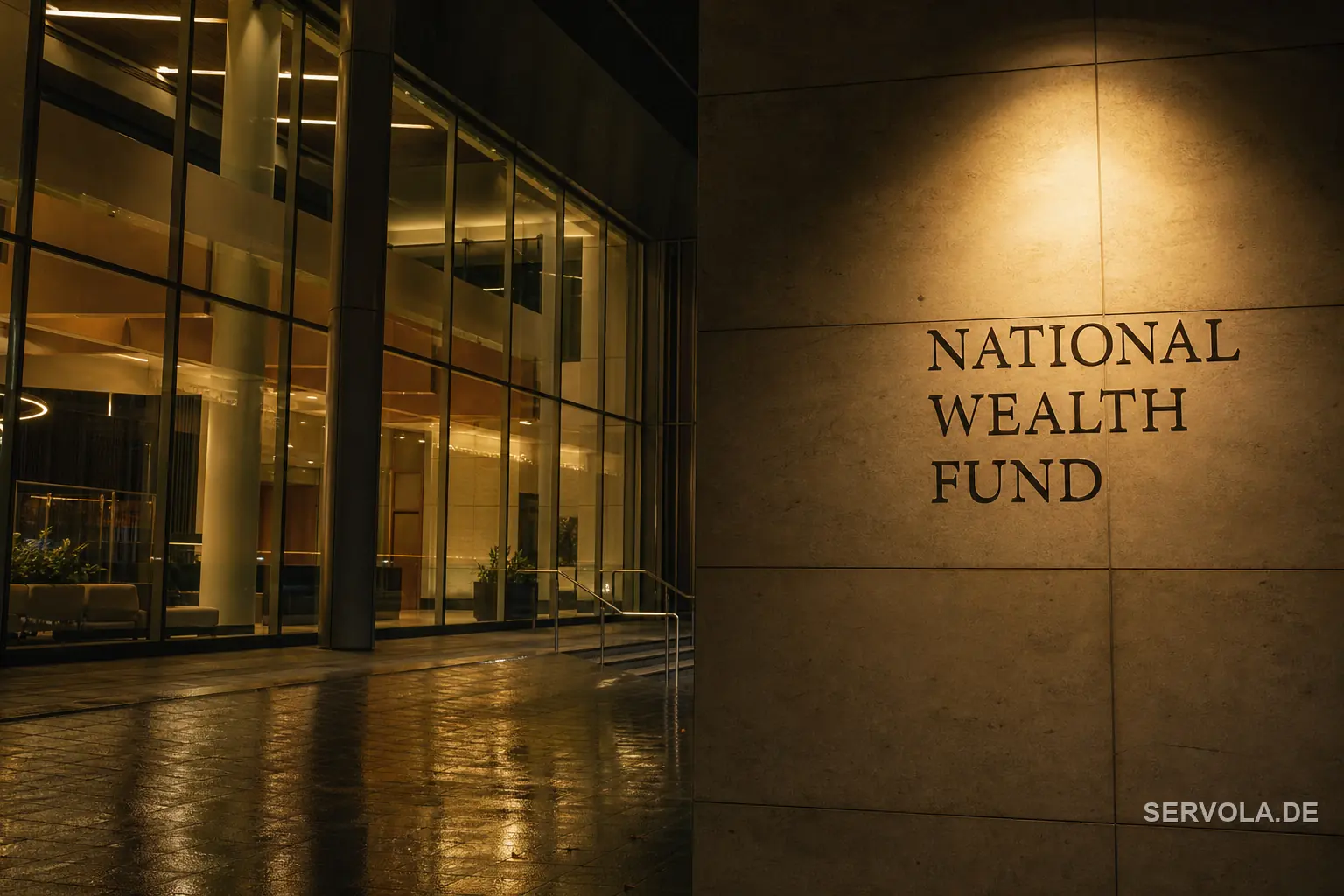
The UK's National Wealth Fund contributed GBP 52.6 million of that total, about EUR 61.4 million, as one part of a syndicate rather than the whole round. The National Wealth Fund's own release states the capital will support a UK pilot manufacturing facility, continued research and development, and an expansion of Nexeon's advanced manufacturing technology unit, the division that turns lab-scale silicon-anode chemistry into something a battery cell maker can actually order at volume.
| Party | Amount |
|---|---|
| Total funding round | GBP 100 million / EUR 116.7 million |
| National Wealth Fund share | GBP 52.6 million / EUR 61.4 million |
| Other participants | Korea Development Bank, Honda Xcelerator Ventures |
The National Wealth Fund is not a grants body
The National Wealth Fund is a state investment vehicle that takes equity and debt positions in UK infrastructure and industrial projects, not a grants body that hands out money with no expectation of a return. That structure is the entire point of naming it here: a grant is a policy tool with no financial stake attached to the outcome, while an equity co-investment is a bet the state expects to pay off.
That distinction has a direct consequence. A grant would have made this a familiar subsidy story: taxpayer money spent to encourage a technology, with the government's exposure ending the moment the check clears. An equity stake does not end there. The UK government now has direct financial exposure to whether Nexeon's specific silicon-anode approach actually wins commercially against rival battery-materials technologies, not just to whether the sector as a whole grows, a shift from spreading risk across many bets to concentrating financial upside and downside in one company's technology choice.
Korean state capital and a Japanese carmaker signed alongside London
Korea Development Bank and Honda Xcelerator Ventures joined the round alongside the National Wealth Fund, and Honda's involvement is not new money finding a new target. The carmaker's venture arm had already invested in Nexeon in a deal reported around May 2026, so this round deepens an existing relationship between a Japanese OEM and a British materials supplier rather than starting one from scratch, and it signals that Honda sees continued reason to back Nexeon's chemistry specifically rather than spreading its silicon-anode bets across multiple suppliers.
The round follows the recent launch of Nexeon's volume-production facility in Gunsan, South Korea, which means the company already has manufacturing experience outside the UK before this UK-focused capital arrives. UK Industry Minister Blair McDougall and Chancellor John Healey both framed the investment publicly as part of the government's "Modern Industrial Strategy" and its push for battery-supply-chain security, language that ties one company's cap table directly to national policy.
What this means for a business planning its battery supply chain
Nexeon holds more than 290 patents covering silicon-anode materials, which replace or supplement the graphite anodes used in most lithium-ion batteries today. Silicon can store more lithium ions per gram than graphite, and that difference is what can raise a battery's energy density enough to support faster charging and longer range in the same size and weight of cell.
For any UK or EU business planning EV fleet purchases, energy storage investment, or manufacturing-supply-chain decisions, this is a concrete signal rather than a vague one about domestic capacity. Battery-materials production is being built in Oxfordshire, backed by a syndicate of British, South Korean, and Japanese capital, and the National Wealth Fund is now underwriting part of the bet on which anode technology gets there first.
Read next: Batteries Undercut Gas Peakers in All 43 Markets | Google Buys 3,590 MW And Only 890 MW Is New