A four-day blackout at a UK power site, reported by a newspaper
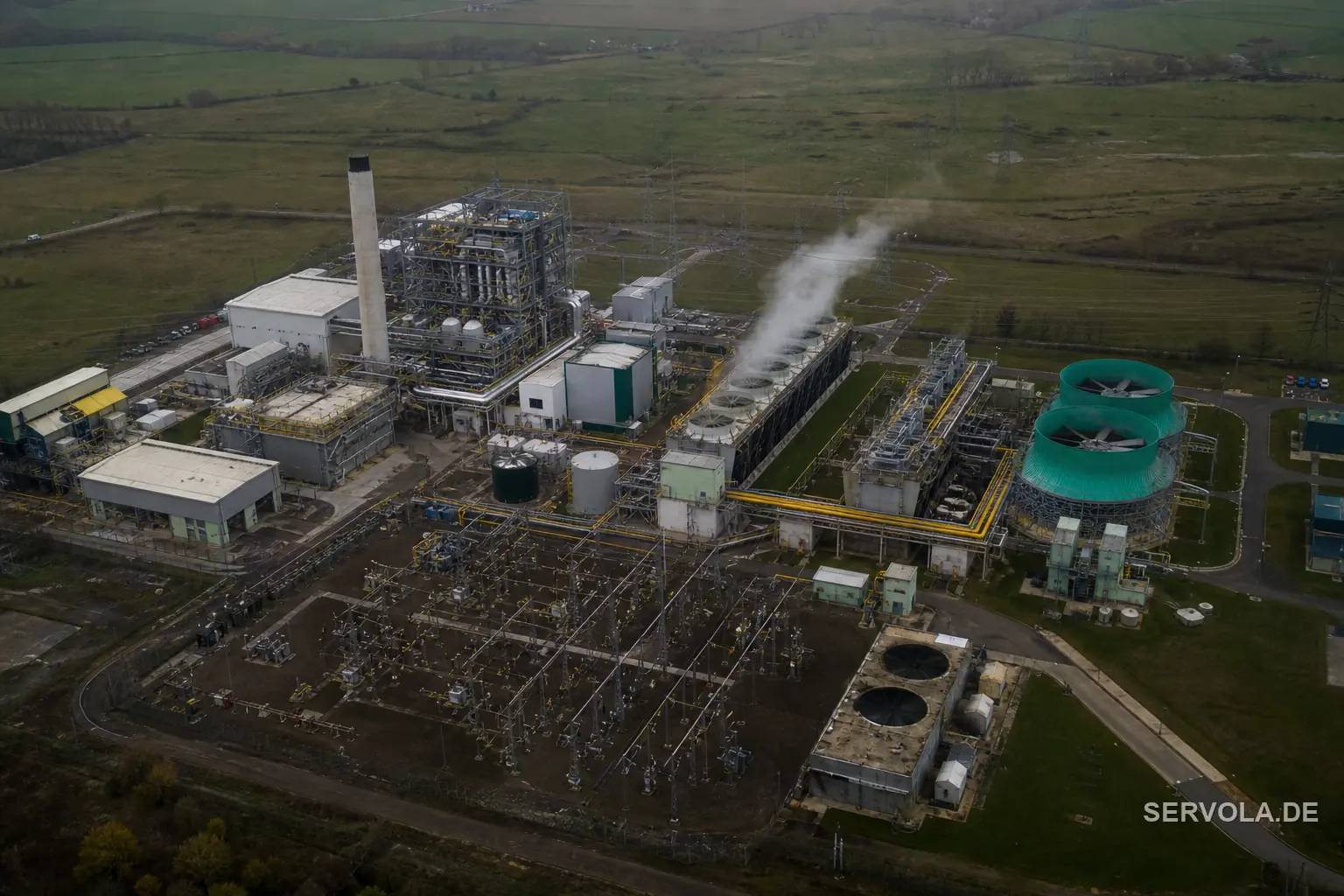
The Telegraph reported on August 22, 2026, that Iran-linked hackers took a small UK power-generating facility offline for four days, in what several outlets describe as the first successful Iranian cyberattack to knock a UK power facility offline. The report cited unnamed security and government sources familiar with the incident, and corroborating accounts followed within hours from Iran International, GB News, the Jerusalem Post, Ynetnews and Israel Hayom.
UK officials read the intrusion as a capability demonstration rather than an attempt to disrupt the national grid, because the facility involved was small and the wider network kept running without interruption throughout the four-day outage. That framing matters for how seriously smaller operators should take the incident: a demonstration aimed at a small site is still a demonstration of what the same actor could attempt against a larger one.
Not an isolated hit: a five-country pattern plus a US water wave
The UK power-plant breach landed in the same window as a wave of attacks on US water utilities spanning 12 states, incidents that reportedly caused flooding, pressure drops and boil-water notices for affected communities.
That timing followed a string of suspected Iranian intrusions into critical infrastructure elsewhere in Europe, in Germany, Poland, Finland, Belgium and Albania, based on the same reporting. Laid out together, the incidents read less like scattered probing and more like a single actor testing access across multiple sectors and multiple countries at once.
| Country or region | Sector targeted | Reported effect |
|---|---|---|
| United Kingdom | Power generation | Small facility offline for four days |
| United States | Water utilities (12 states) | Flooding, pressure drops, boil-water notices |
| Germany | Critical infrastructure | Suspected intrusion |
| Poland | Critical infrastructure | Suspected intrusion |
| Finland | Critical infrastructure | Suspected intrusion |
| Belgium | Critical infrastructure | Suspected intrusion |
| Albania | Critical infrastructure | Suspected intrusion |
Beyond the outage: a disclosure gap NIS2 was not built to catch
The public did not learn about this breach of UK energy infrastructure from any mandatory disclosure regime; it learned about it from a newspaper investigation, published days after the outage had already run its course.
The UK's NIS Regulations and the EU's parallel NIS2 directive build their incident-reporting duties around operators of essential services, a designation aimed at large-scale grid operators, national transmission companies and major utilities, not around every small independent generation site plugged into the wider network. In the UK, that threshold sits with Ofgem and the National Cyber Security Centre; whichever regulator administers it, this facility sat exactly in the gap it leaves: small enough to fall outside the obvious reporting perimeter, connected enough to be a real target, and the result is a breach the public found out about by chance rather than by design.
What UK and EU industrial and energy operators should check now
Every UK or EU operator running industrial or energy infrastructure now has a concrete reason to re-check two assumptions: whether its own site would actually trigger a mandatory incident-reporting duty under NIS2 or the UK's NIS Regulations, and whether its segmentation between IT and operational technology would hold against the same intrusion path used here.
The five-country pattern across Germany, Poland, Finland, Belgium and Albania, on top of the US water-utility wave, argues against treating this as a one-off worth a shrug; it argues for treating a small site's exposure as a live line item on the same risk register as the largest national utility's, because the actor behind it is not sorting targets by size.
Read next: A German-Made PLC Is Now a Live Cyberweapon Target | Germany's NIS2 Grace Period Has Ended