Uber and Wayve Go Live in London on 3 September
Uber and Wayve began operating the UK's first public autonomous ride-hailing service on 3 September 2026, bookable directly through the Uber app across Greater London excluding airport routes. The launch follows Transport for London's earlier licence approval for the two companies, and it marks the point where that approval turned into an actual public product.
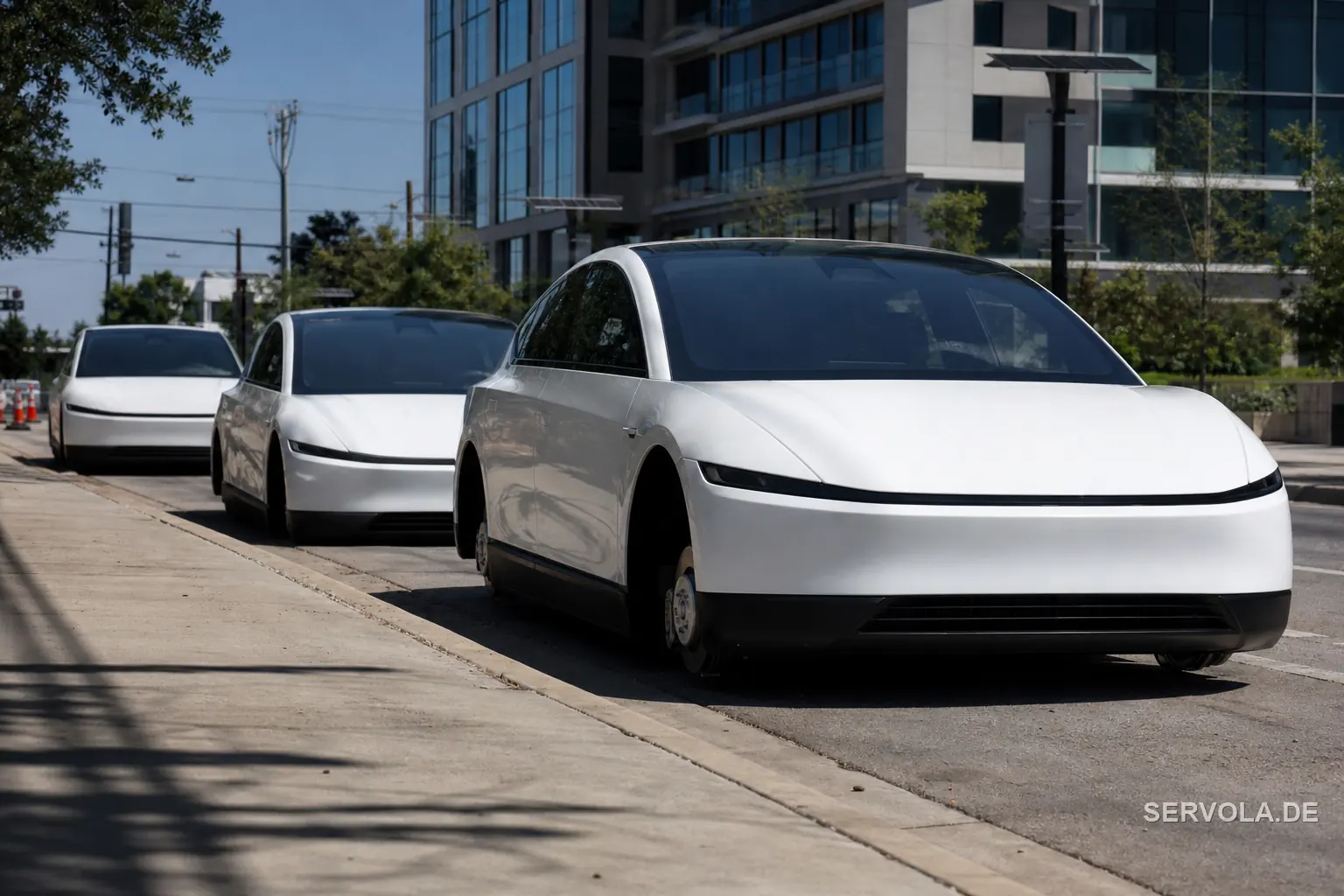
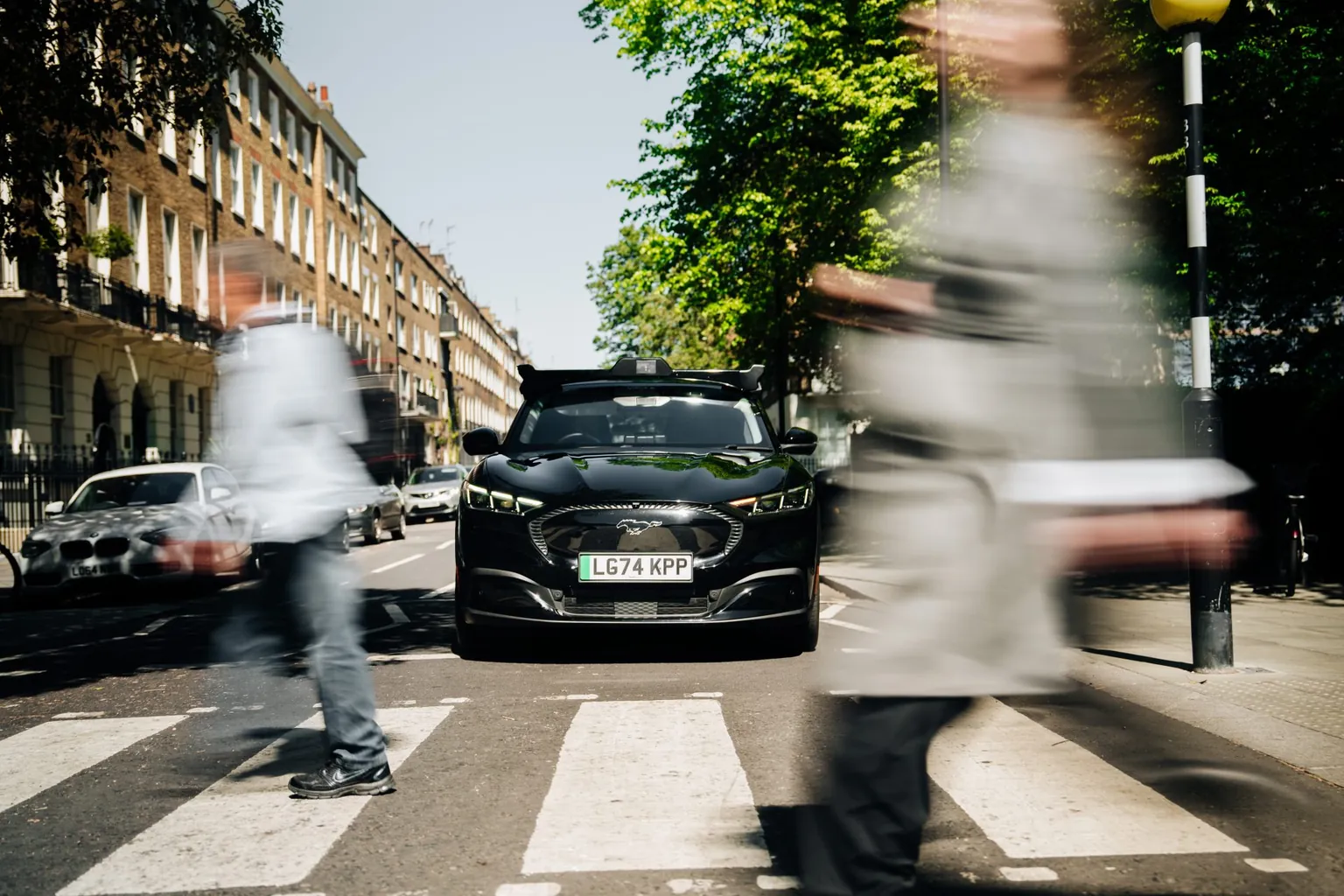
Fewer than 20 all-electric Ford Mustang Mach-E vehicles, fitted with Wayve's AI Driver software, make up the launch fleet, and Uber is charging no fare premium for the rides. More than 140,000 Londoners had already opted in ahead of launch to make themselves eligible to be matched with one of the cars.
This Is Supervised Autonomy, Not a Driverless Launch
This is supervised autonomy, not a driverless launch: every one of these rides still carries a TfL-licensed private-hire driver in the seat, actively supervising the vehicle. Headlines describing "driverless cars" arriving in London describe an ambition still ahead, separate from the product that actually launched on 3 September.
UK Transport Secretary Heidi Alexander addressed that distinction directly, commenting publicly on the continuity of the driver's role during this supervised phase of the rollout. Her comment signals that government still treats the human driver as a required safety layer at this stage of the deployment.
The Driver Seat Is Still Where the Economics Live
None of the labor-cost or driver-supply economics that make a true robotaxi disruptive have changed yet, because a licensed driver remains mandatory in every vehicle. PHV driver licensing, insurance liability, and Uber's own margin structure in London all continue to rest on the same legal foundation they had before launch.
What has changed is that Uber and Wayve are now running a live, public, revenue-adjacent deployment that generates real UK safety and reliability data under everyday road conditions. That operating data is what regulators will eventually weigh when they decide whether the driver requirement can be relaxed.
Uber's Global Targets Set the Pace
Uber has attached explicit global numbers to its AV ambitions, aiming for autonomous-vehicle trips running in 15 cities by the end of 2026. The company has also stated a longer-term goal of becoming the world's largest facilitator of AV trips by 2029, a target that depends on supervision requirements like London's eventually easing.
Those targets give London's supervised launch a second purpose beyond serving today's riders: it functions as a data-generating proving ground for the case Uber will eventually make to regulators for lighter supervision. How quickly that case lands depends on how clean the safety record from this fleet turns out to be.
Waymo's Reported UK Entry Turns London Into a Test Case
Independent reporting from TechFundingNews indicates that Waymo, Alphabet's self-driving unit, is preparing its own entry into the UK market, though it has not yet launched there. If that entry happens, London becomes a live comparison between two different autonomous-driving approaches competing for the same regulatory trust.
The figure worth tracking from here is the supervision requirement itself: the point at which TfL or the UK government allows rides to run without a licensed driver present is the point at which PHV driver economics, insurance, and liability models actually start to shift. The table below sets out where the London launch stands today.
| Metric | Detail |
|---|---|
| Launch date | 3 September 2026 |
| Fleet size | Fewer than 20 vehicles |
| Vehicle model | All-electric Ford Mustang Mach-E |
| Driver on board | Yes, TfL-licensed PHV driver supervises every trip |
| Riders pre-opted-in | More than 140,000 Londoners |
| Uber's 2026 target | Autonomous-vehicle trips in 15 cities globally |
| Uber's 2029 ambition | World's largest facilitator of AV trips |
Read next: 25,000 Robotaxis Are Coming to Europe. The Car Is Not Built Yet. | Uber Pays $2.3 Billion To Own The Catering Order