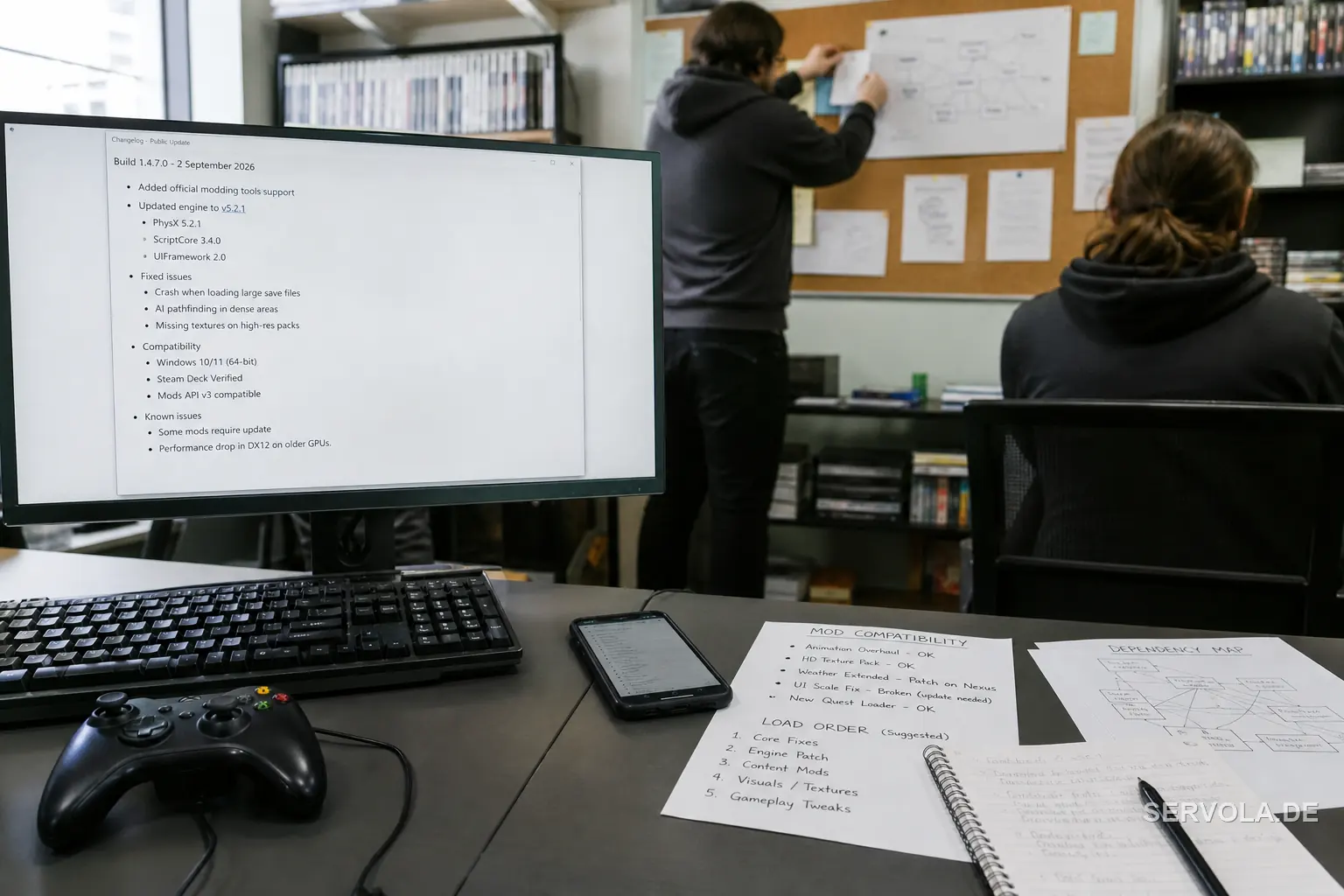
What Actually Went Live on August 2
Around August 2, 2026, two pieces of Valve software appeared inside Steam's own backend and storefront infrastructure: Lepton, an Android-on-Linux compatibility container, and FEX, a translation layer that lets x86 code run on ARM64 processors. Neither showed up with a blog post or a press kit. They showed up as data, first spotted on SteamDB, the widely used public database that mirrors Steam's own backend and API records.
Roughly eight separate trade outlets checked SteamDB themselves and confirmed the same listings independently, among them VideoCardz, TechSpot, PCGuide, WCCFTech, Hardware Busters, PCGamer and GamingOnLinux. That is worth being precise about: this is not a leak and not a rumor. It is Valve's own live product data, verified by multiple outlets pulling from the same public source, with no official Valve statement attached to it at all.
Why Two Obscure Tools Complete a Stack
Lepton and FEX only matter together with something Valve already shipped: Proton, the compatibility layer that runs Windows games on Linux and has underpinned Steam Deck since 2022. Proton solves Windows-to-Linux. FEX solves x86-to-ARM. Lepton solves Android-to-Linux, needed because Steam Frame is expected to also handle mobile and VR-native Android content. Put the three together and you get the exact stack an ARM-based headset needs to run a Windows-built PC games library, a Linux-native library, and Android apps, all on the same silicon.
No one piece of that stack is newsworthy in isolation, which is exactly why it took SteamDB monitoring rather than a press event to surface it. Valve builds infrastructure quietly and lets the storefront data speak once it is ready for testers and partners to start working against.
The Pattern: Software First, Hardware Weeks Later
This is not the first time. Before Steam Deck launched in 2022, the Proton and SteamOS groundwork Valve needed was visible in Steam's backend well ahead of any release date. Before Steam Machine, Valve's cube-shaped living-room console that began shipping June 30, 2026, the same pattern held: the software surfaced first, the hardware followed. Steam Frame, the ARM-based standalone VR headset, is now the last piece of Valve's 2026 hardware wave still without a confirmed release date, and its compatibility layers are already live.
Valve does not run advance-notice launch press cycles. Historically, by the time there is an official announcement, the hardware itself is available within weeks. That changes what this detection is actually worth: not a curiosity for enthusiasts, but a leading indicator with a track record.
The Instruction for Anyone Building Around Steam Frame
For an EU game studio, a peripheral maker, or a retailer planning Q4 and holiday-season shelf space, the practical read is simple: treat this backend appearance as the actual start signal for ARM and FEX compatibility testing, not a future press event. Certification cycles, packaging decisions, and shelf commitments all take weeks Valve is not going to announce in advance.
A team that waits for an official Steam Frame press release before starting compatibility work is choosing to start after Valve's own historical pattern says the hardware is already close. The backend data is public, it is verifiable on SteamDB today, and it has been a reliable signal twice before.
Read next: Valve's Steam Frame Ships Through a Reservation Queue | Nexus Mods Buys SteamDB After 13 Years Solo