The deal: $10 billion, six years, a data center in Norway
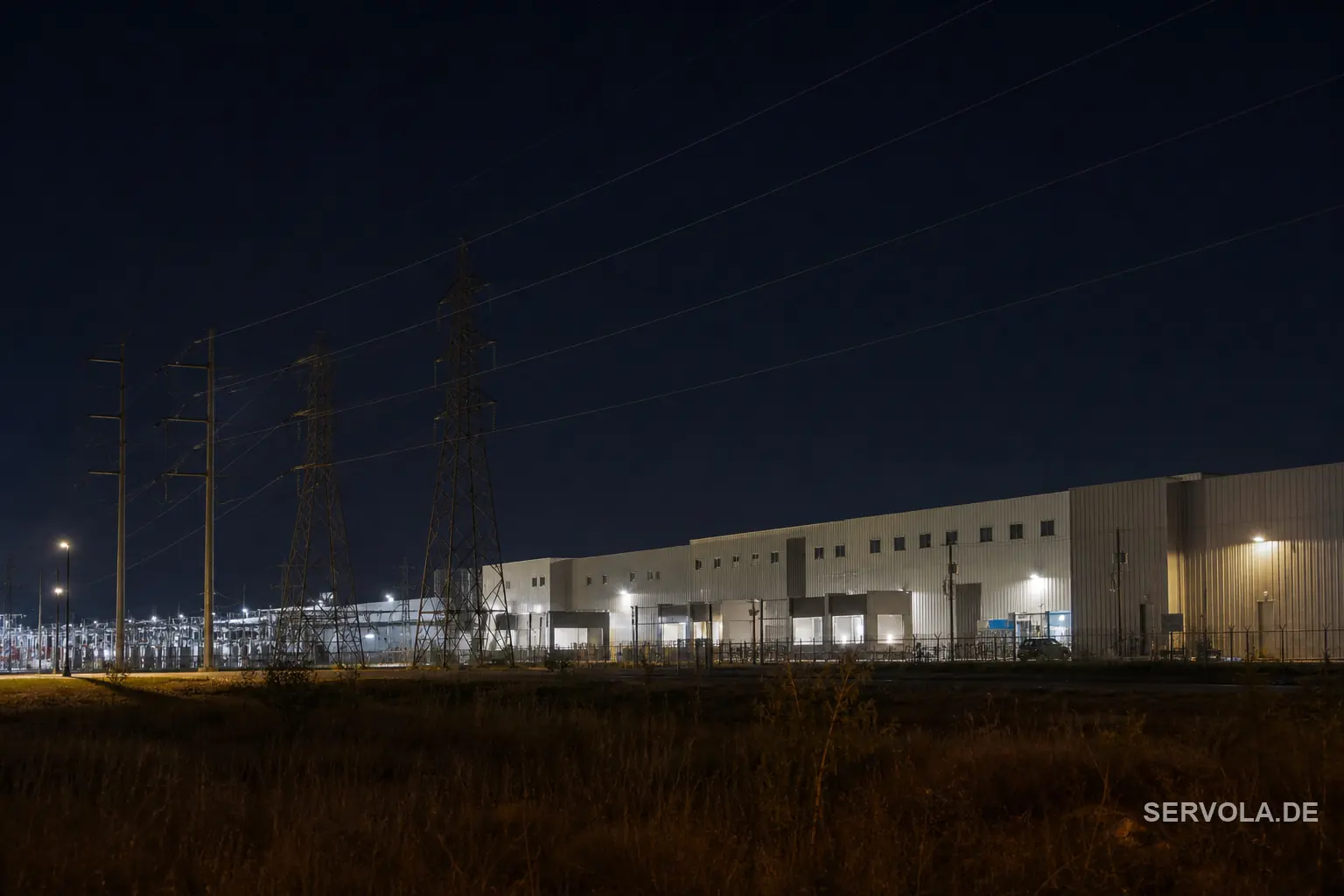
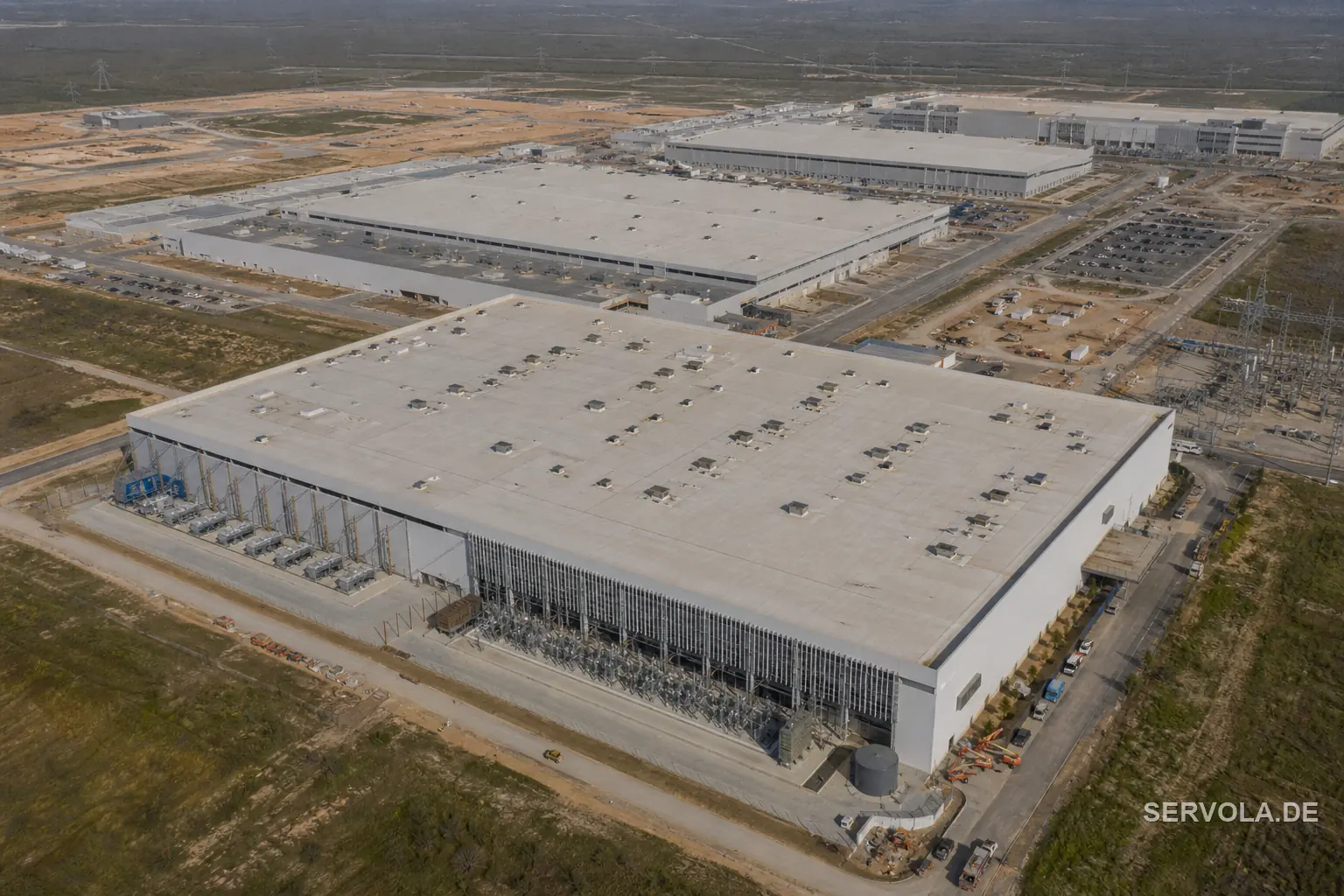
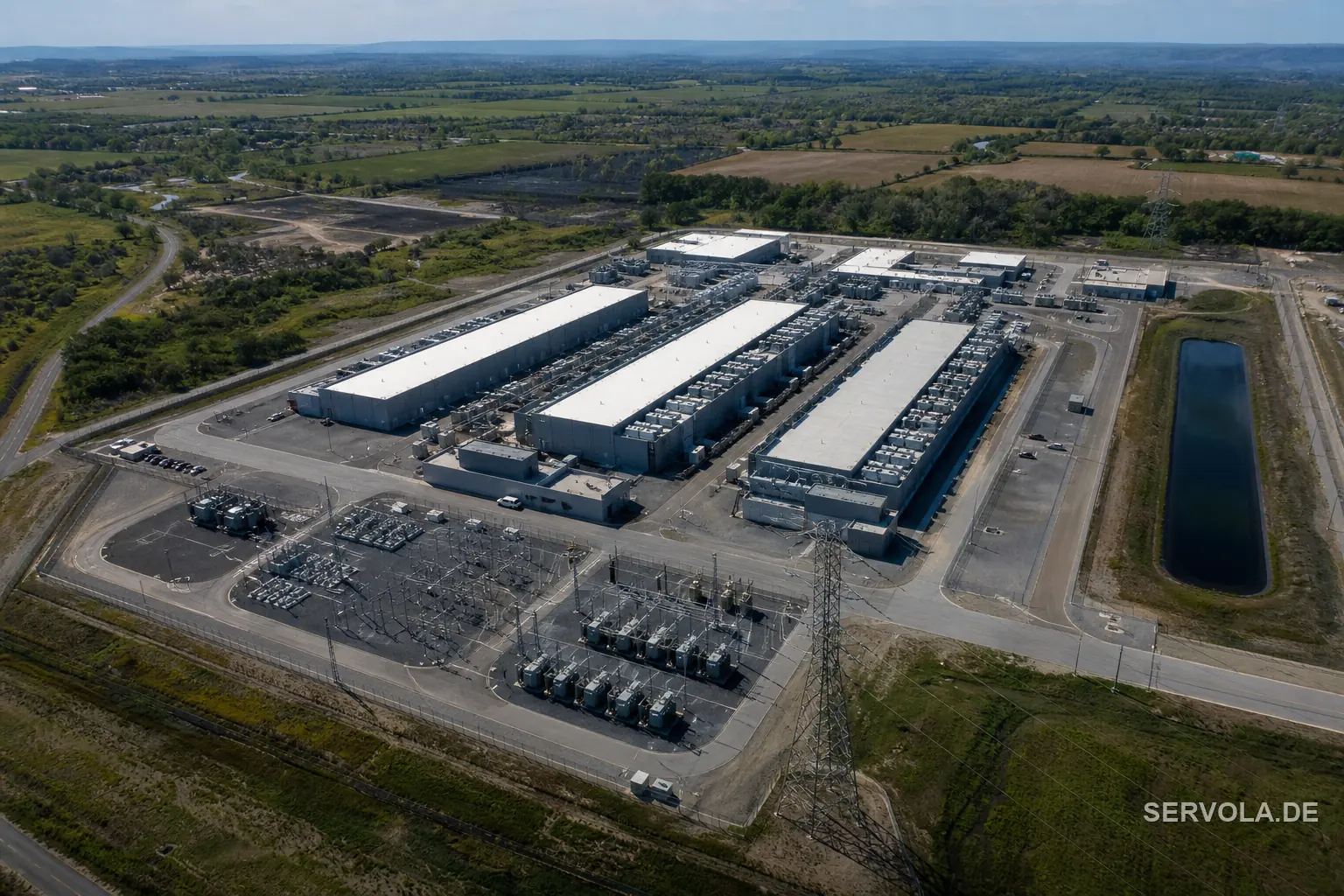
Anthropic signed a six-year compute agreement with Volta Infra worth $10 billion, covering 133 megawatts of gross AI compute capacity, roughly 121 megawatts of usable IT load, at a data center in Tydal, Norway. The site runs entirely on renewable hydropower and is operated by Bitdeer Technologies Group, with the facility being built around Nvidia's next-generation Vera Rubin chip architecture and Dell reportedly serving as hardware and technology provider. Capacity is scheduled to arrive in two phases, targeting December 31, 2026 and March 31, 2027, meaning the bulk of the commitment is still infrastructure under construction rather than compute in production today.
Volta originally announced the agreement without naming the customer, describing only an unnamed leading AI lab. Bloomberg's reporting identified Anthropic as the counterparty, and that identification was later corroborated independently by TechCrunch and other outlets, alongside trade-press confirmation of the Bitdeer lease terms from Datacenter Dynamics. The pattern, a large compute commitment first disclosed without a named customer and only later attributed through independent reporting, is itself worth noting for any owner trying to evaluate a vendor's public claims against what has actually been verified.
Who is Volta Infra, and how did a seven-month-old startup get here
Volta Infra Holdings was founded in January 2026 by Ricard Boada and Sofia Gumuzio, both former senior executives at Brookfield Asset Management, one of the world's largest alternative-asset managers. On August 4, 2026, seven months after founding, Volta announced it had raised $300 million in combined Seed and Series A funding, co-led by Andreessen Horowitz and Altimeter Capital Management, with Nvidia Corporation and Michael Dell's family office participating as investors alongside Azora and Matter Venture Partners. The round valued the company at $2.4 billion, an eight-times multiple on the equity raised, before it had operated for even a full year.
Volta's designation as a formal Nvidia Cloud Partner is the structural key to that valuation: it gives Volta preferential allocation of Nvidia GPUs in a market where GPU supply, not capital, is frequently the binding constraint on who can stand up new AI compute capacity at all. Volta's stated business is providing flexible, credit-supported GPU compute access to mid-stage AI startups it calls Little Tech, positioning itself as an intermediary layer between Nvidia's allocation decisions and AI companies that cannot secure that allocation directly.
The financialization of GPU access, not just another infrastructure round
The genuine analytical hook in this story is not the size of the numbers, it is the financing architecture underneath them. A company that did not exist seven months ago used a $300 million equity check plus a 16-year lease-based financing structure with Bitdeer, worth roughly $4.7 billion in contracted revenue to Bitdeer, plus a separate $5 billion credit and leasing vehicle built with Azora, to lock in $10 billion of AI-lab compute commitments from Anthropic. That is a fundamentally different construction than the balance-sheet capex hyperscalers like Microsoft, Google and Amazon use to build and own their own data centers outright.
Volta is instead building an AI-compute layer on leveraged lease engineering, using long-dated colocation contracts and financing partnerships to stand between the chip supply chain and the AI labs that need capacity, and pocketing the spread. For any owner evaluating an AI vendor or a compute-capacity deal, that means the brand name on the marketing page is no longer the whole picture: who actually holds the underlying GPU capacity, on what lease terms, financed by whom, is now a question worth asking before signing, because it determines whether that capacity is as durable as the headline commitment implies.
Counterparty risk in the neocloud stack: echoes of the dark-fiber era
Lease-chain-financed neoclouds like Volta introduce a counterparty-risk layer that direct hyperscaler capex simply does not carry. When Microsoft builds and owns a data center, the only entity that has to remain solvent is Microsoft. When Anthropic depends on 133 megawatts of capacity that flows through Volta's equity investors, Bitdeer's 16-year lease, and Nvidia's GPU allocation decisions all at once, the durability of that capacity depends on every link in that chain holding, not just on Anthropic's own balance sheet or Volta's marketing claims.
That structure has a precedent worth remembering: the 2000s telecom dark-fiber buildout, where debt-financed network capacity looked abundant and cheap right up until financing terms tightened or an anchor tenant wobbled, at which point the capacity that looked secured turned out to be only as secure as the weakest link in its financing chain. Volta's compute is not troubled today, the Bitdeer lease and the Anthropic deal are both real and reported by multiple independent outlets, but the structural resemblance to a lease-financed buildout that has failed before is exactly the kind of thing a prudent owner underwrites for, not something to notice only after a financing term or an anchor customer wobbles.
What this means if you are evaluating an AI vendor or a compute deal
Access to GPU capacity for smaller AI companies, the Little Tech segment Volta explicitly targets, is increasingly being gated through credit underwriting by financing intermediaries like Volta and Azora rather than simple open-market pricing from a cloud provider. That is a structural shift in how compute gets rationed, and it will shape which AI companies can afford to build products at all over the next two years, independent of whether their technology or their customers justify the capacity they need.
For an owner signing a multi-year AI compute contract, or evaluating a vendor that quietly runs on a neocloud rather than a hyperscaler's own infrastructure, the practical takeaway from Volta's first seven months is to ask three questions before signing: who actually owns or leases the underlying hardware, how many financing links sit between that hardware and your contract, and what happens to your capacity if any one of those links, not just your direct counterparty, runs into financing trouble. Volta's $10 billion Anthropic deal is real, but its architecture is a template other neoclouds will copy, and the questions it raises will not go away once this particular round of headlines does.
Read next: A King Asked AI's Leaders for Reassurance, Not Rules | Nvidia Fell 3 Percent. Trump Called Its CEO Onstage.