What Nvidia Actually Announced
Nvidia is now financing the demand for its own chips. Announced around 2 July 2026, its "compute now, pay later" program lets AI cloud providers take large volumes of GPUs without paying the full cost upfront, in exchange for a share of the revenue those chips later earn. CNBC reported the revenue-sharing structure, while Bloomberg detailed the model for smaller startups.
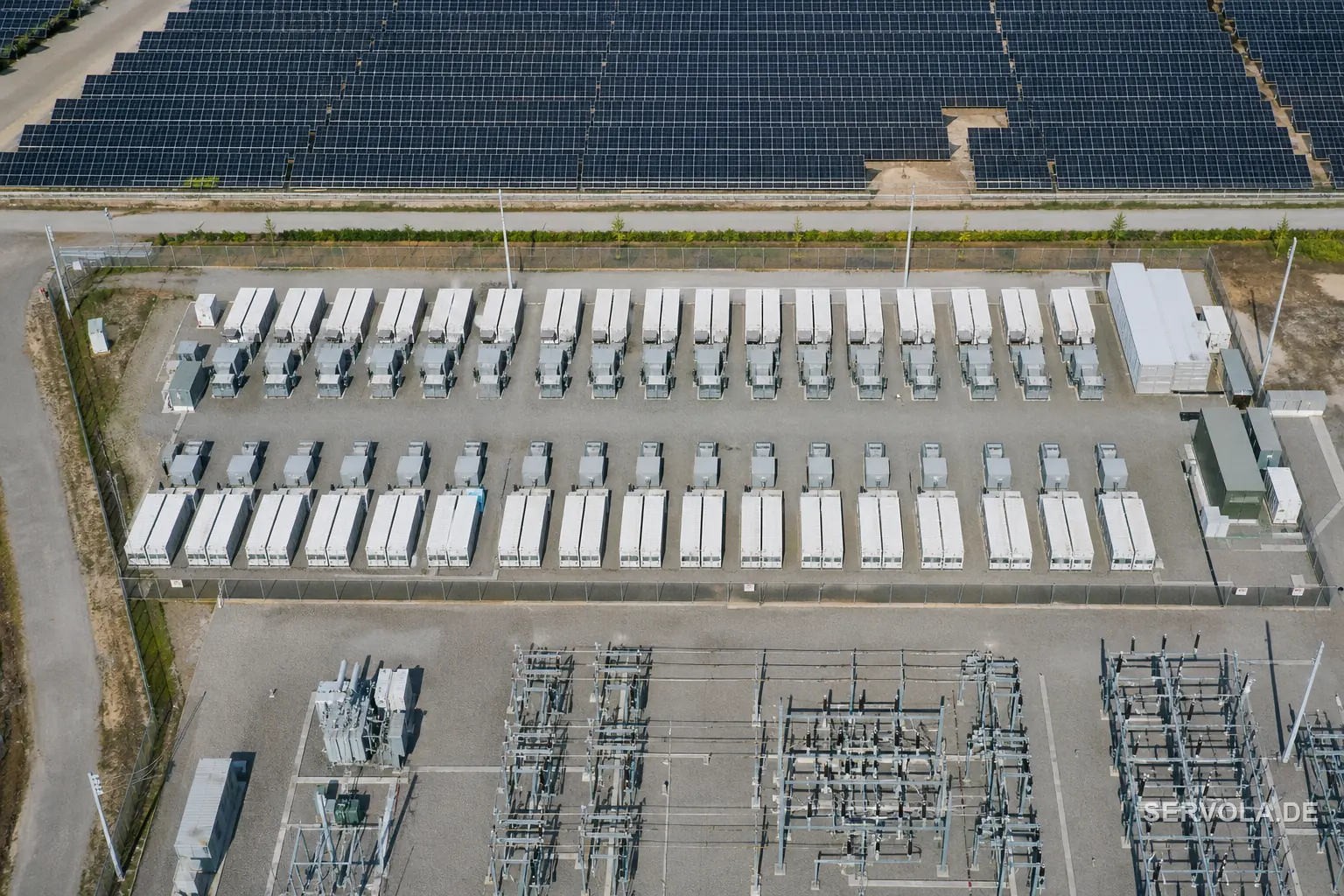
The mechanics stack three roles onto one vendor. Nvidia still collects standard product revenue on the chips, then takes a further cut of what the cloud earns renting them out, adds credit support so smaller clouds can finance the purchase, and offers repurchase guarantees: if a provider cannot fill its GPU slots, Nvidia buys back the unsold capacity at pre-set prices. Sharon AI is deploying up to 40,000 GPUs; Firmus Technologies is building a 360-megawatt data center in Batam, Indonesia, scaling toward 170,000.
The Circular-Financing Read
When your supplier funds your demand, some of your growth is really your vendor's balance sheet. Nvidia sells the chip, funds the buyer, then guarantees to buy back what the buyer cannot use. That loop can manufacture demand from the seller side, so the reported deployment numbers mix genuine end-customer appetite with supplier-subsidized capacity.
Before you extrapolate a trend or a valuation from these figures, separate the two. Real demand is a business someone pays for at an unsubsidized price. Supplier-underwritten demand is a marketing cost dressed as a customer. The base rate is unkind here: circular financing, where the supplier funds the customer who buys the supplier's product, has preceded every hardware bubble worth naming.
How Owners Should Price A Vendor-Financed Deal
Treat supplier-underwritten demand as unproven until end-users pay unsubsidized. This is not only a GPU question; it applies to equipment leasing, "free" platform credits, and any revenue-share hardware offer that lands on your desk. Ask who bears the loss if utilization misses, because a repurchase guarantee that protects you is concentrating risk somewhere less visible.
Then price your dependence. Vendor financing lowers your upfront cost and raises your switching cost, and the terms you sign today are the terms until the vendor decides otherwise. Model the day those terms change, name the number it costs to leave, and only then let the low headline price influence your plan.
Read next: Nvidia Buys the Hub Your Open AI Stack Runs On | Nvidia Walks Back DLSS 5 Exclusivity Within Days of Launch