A Handover Without a Key Fob
Picture a fleet manager on a Monday morning, handing a driver access to the company's Volkswagen ID. Buzz for a single delivery shift, not a set of keys, but a permission granted on a phone. The driver walks up, the van unlocks, and by Friday afternoon the fleet manager has revoked that access again without ever touching a key fob.
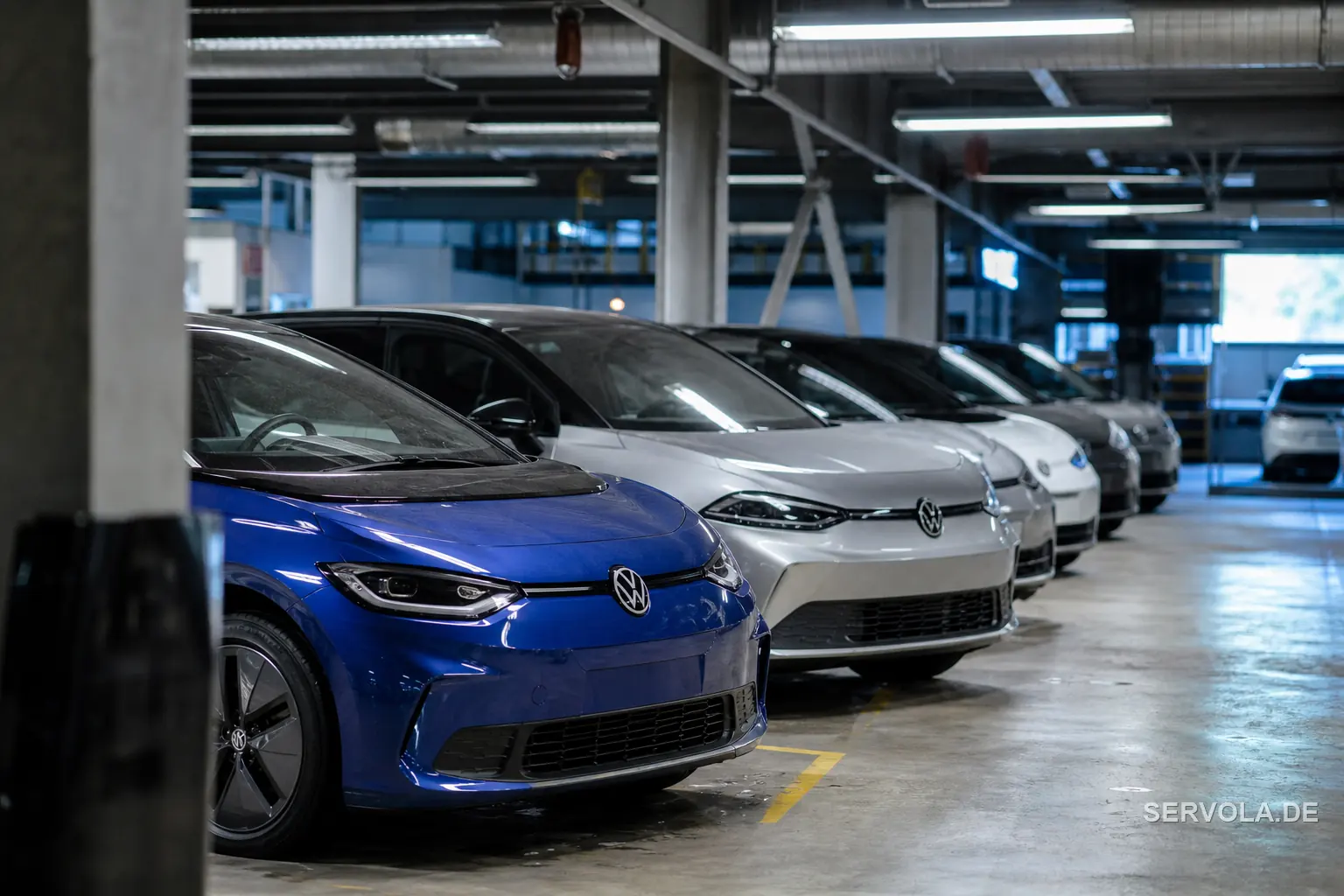
That scenario is now technically real. Samsung said its Wallet app's Digital Key feature works with Volkswagen's ID. electric range across Europe, covering the ID. Polo, ID. Cross, ID.3 Neo, ID.4, ID.5, ID.7 and ID. Buzz. Compatible Galaxy phones can lock, unlock and start these vehicles using Ultra-Wideband plus NFC, according to Samsung's UK newsroom announcement and GSMArena's August 18, 2026 report, independently corroborated by Electrek's coverage the same day.
Why This Matters More Than the Gadget Angle
The headline undersells it. A phone that opens a car is a neat trick, but the detail that actually changes fleet operations is that these keys are shareable with permissioned access. A physical key or fob has to be handed over in person and cannot be selectively taken back; if a driver keeps it after their shift ends, someone has to physically retrieve it or pay to re-cut every lock.
A digital, permissioned key removes that friction. A company can grant a specific driver access for exactly the shift, the trip or the week that access is needed, then revoke it instantly and remotely the moment an employee leaves, a vehicle gets reassigned to another route, or access simply needs to be time-boxed to a delivery window. That is a genuine operational upgrade for anyone running company cars or an EV fleet, not just a convenience feature for private owners.
The Fine Print on Eligibility
The feature is not universal across every VW EV on the road today. It requires the vehicle to run Volkswagen's ID. software version 6.0.1, which applies to vehicles built on or after April 27, 2026, and it requires VW's Preparation for Digital Key option package to have been fitted at the factory or dealership. Existing vehicles without that package or that software version will not simply gain the feature through an update.
The rollout itself is Europe-specific, tied to the seven ID. models named above. For a fleet buyer, that turns a feature decision into a procurement decision: ordering the Preparation for Digital Key package now, on vehicles built after the April cutoff, is what determines whether this capability is available to a fleet at all, not something to check for after delivery.
Plan the Offboarding Before You Need It
Here is the angle fleet operators should not skip. Digital access to a vehicle is now tied to a phone and an account, Samsung Wallet on the device side, a Volkswagen account on the vehicle side, rather than to a physical object that simply sits in a drawer when unused. That is what makes the access revocable and precise, but it also means the access is only as reliable as those two accounts.
A lost or wiped phone, or an employee's account that was not properly offboarded when they left, creates the same kind of exposure a business already manages for a company laptop or a software login. A fleet adopting this feature should write phone and account offboarding into the same checklist as returning a laptop, rather than treating it as a detail to sort out after the fact.
One Pairing, Not an Industry Standard
It is worth being precise about what has actually launched: this is a Samsung-and-Volkswagen pairing, not an open standard that works across phone brands or car manufacturers. A fleet built entirely on Android hardware and Volkswagen vehicles can use it today; a mixed fleet with other phone brands or other carmakers cannot yet rely on the same workflow.
That narrows who should move first. Businesses already standardized on Galaxy devices and VW's ID. range have a genuine reason to adopt this now, while everyone else should watch it as a signal of where vehicle access is heading rather than something to build a policy around immediately. The direction of travel, phone-based, permissioned, revocable vehicle access, is the part likely to spread well beyond this one pairing.
Read next: Microsoft Quietly Killed The AI PC Badge It Invented | Apple's New Mac Costs More If You're Not American