What Google Told Its Suppliers
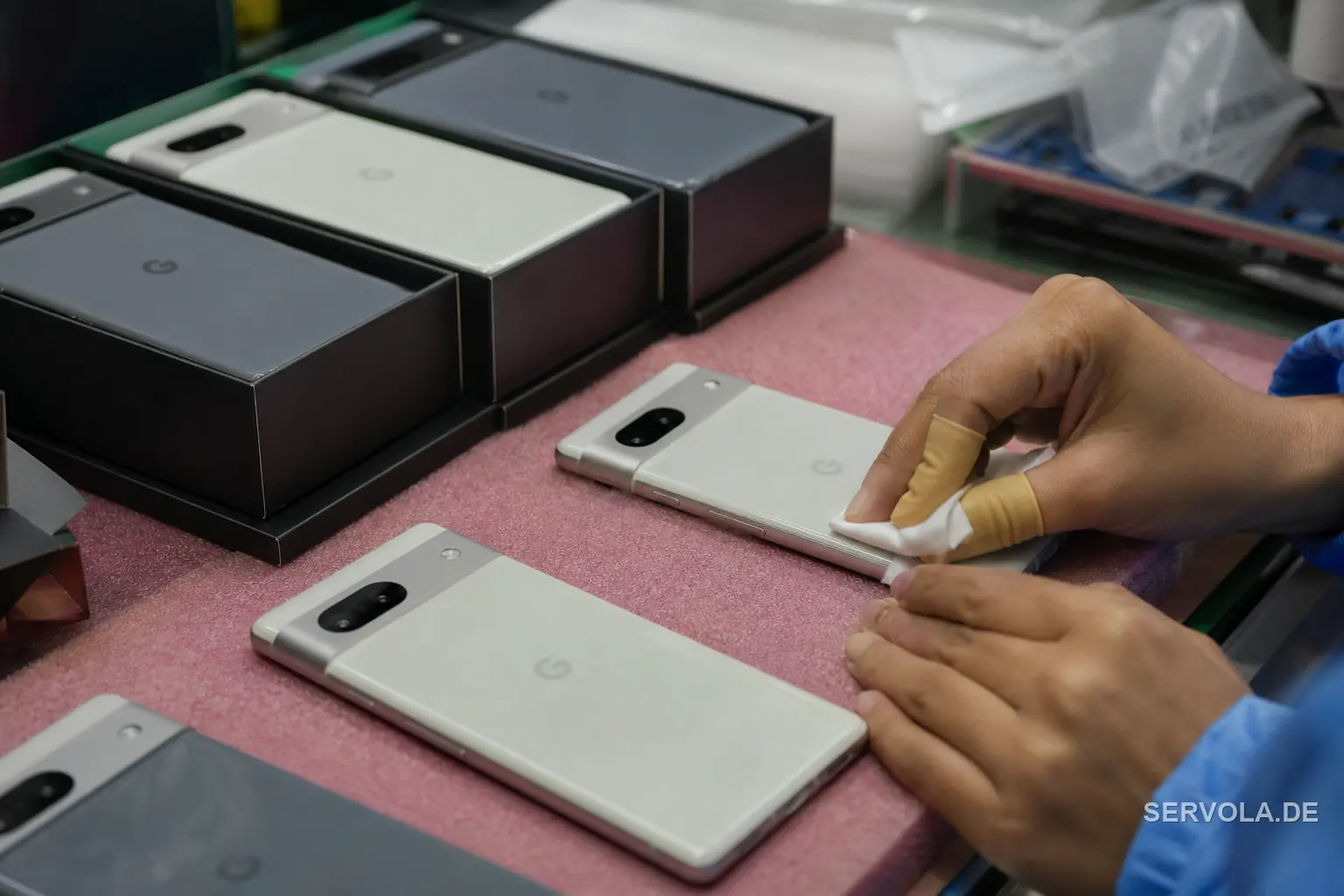
Google has informed its component and assembly suppliers that it intends to stop manufacturing Pixel products in China altogether, according to Nikkei Asia's supply chain reporting. The directive covers the full Pixel hardware line: smartphones, the Pixel Watch line and Pixel Buds wireless earbuds.
The target start date is 2027, with production redirected to Vietnam and India. Google frames the move as a response to the ongoing trade and technology tension between Washington and Beijing, which has made China-based manufacturing a growing liability for any US company selling into Western markets.
Why Google Can Move Faster Than Apple
Apple has spent years inching its iPhone assembly out of China because it still sells enormous volumes of iPhones inside the Chinese market and depends on a manufacturing base built over two decades. Google carries almost none of that weight: Pixel is not officially sold in China, so Google has no domestic revenue to protect and no local retail relationships to unwind.
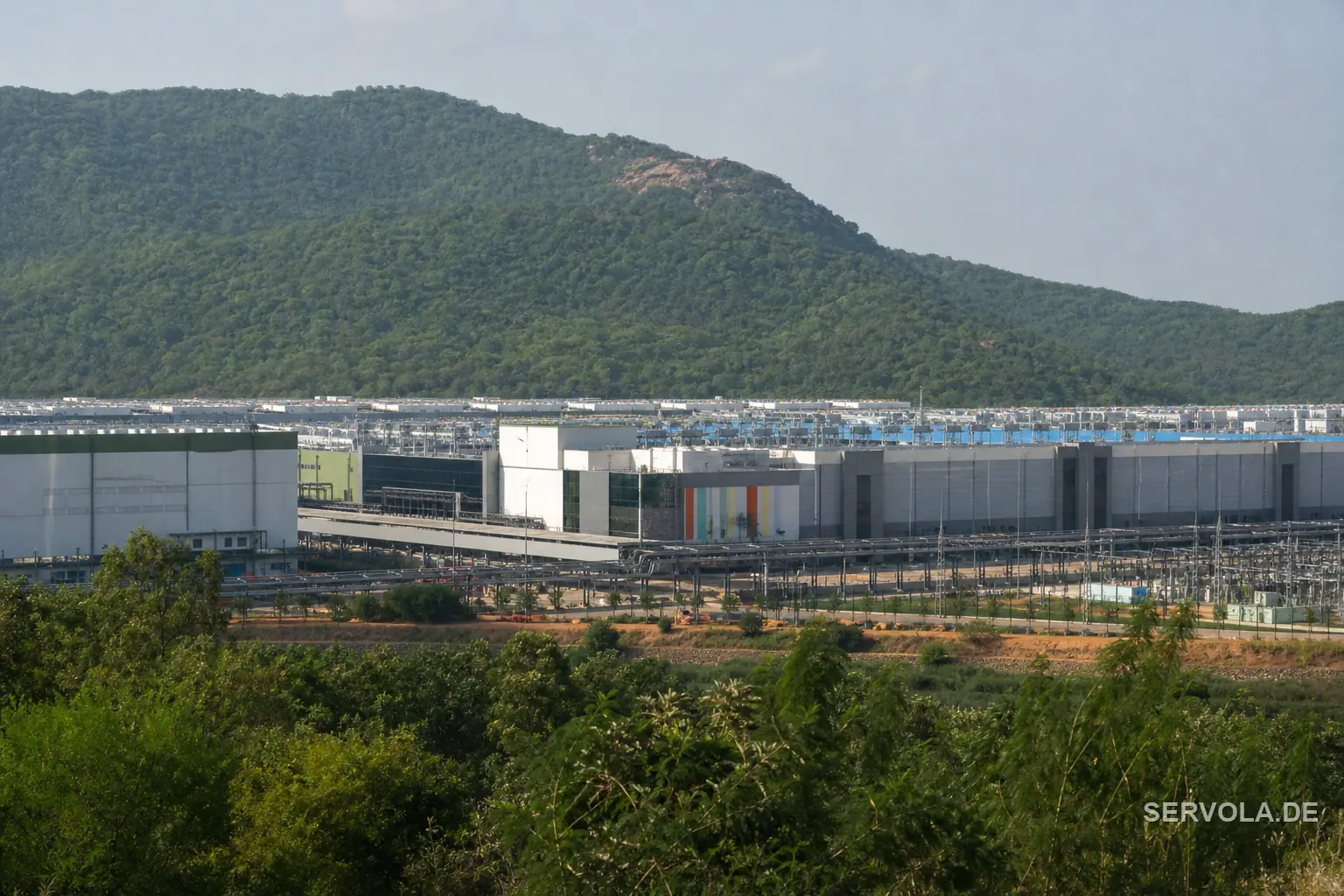
Google also is not building a supply chain from zero. Vietnam already hosts the assembly lines Samsung spent years developing for its own smartphones, and Google's high-end Pixel phones are already being built there successfully this year. That existing ecosystem, not a fresh start, is what makes the 2027 date realistic rather than aspirational.
The Pattern Beyond One Phone Brand
Google's move is not an isolated decision, it is the second confirmed case, after Samsung, of a top-tier global smartphone brand fully exiting Chinese production. Once two of the industry's largest brands treat "made outside China" as the default, it stops looking like a hedge and starts looking like the new baseline for any company selling connected hardware into markets sensitive to US-China trade policy, including the EU and UK.
For manufacturers still weighing the move, Google's approach doubles as a playbook: use an existing regional supply base built by a competitor, prove the line on a flagship product first, then scale the whole catalogue behind it. Expect more brands, including in categories beyond phones, to quietly copy that sequence over the next two years.
What This Means For Your Procurement Plan
European and UK IT buyers who standardise fleets on Pixel or similar hardware should treat 2026 and 2027 as a transition window, not a reason to wait for discounts. Relocating a supply chain of this size typically brings short-term cost and lead-time volatility before it brings savings, exactly as seen with earlier Pixel component price shifts this year.
The more durable lesson is procurement risk assessment: "where is this made" is now as relevant a vendor question as price or warranty terms, because a factory's location increasingly determines its exposure to export controls, tariffs and geopolitical disruption regardless of which brand's name is on the box.
Read next: Google Stopped Absorbing Your Memory Price | HP, Asus, and Acer Are Quietly Using Chinese CXMT Memory in Some Laptops