A Regulator Modeled on Wall Street's Watchdog
In July 2026, Google DeepMind CEO Demis Hassabis pushed a proposal for a national AI regulator modeled on FINRA, the body that oversees US brokerages. Under his plan, frontier labs would share their most capable models before public release so regulators could test them for cyber, biological, and deception risks. The body would operate under government supervision without creating an entirely new federal agency, and Hassabis wanted it running by the end of 2026.
That timeline made the proposal urgent inside the White House the moment it landed, because a FINRA-style regulator with legal teeth would apply to every major US lab, not just the ones willing to sign up voluntarily.
One Phone Call, Two Competing Blueprints
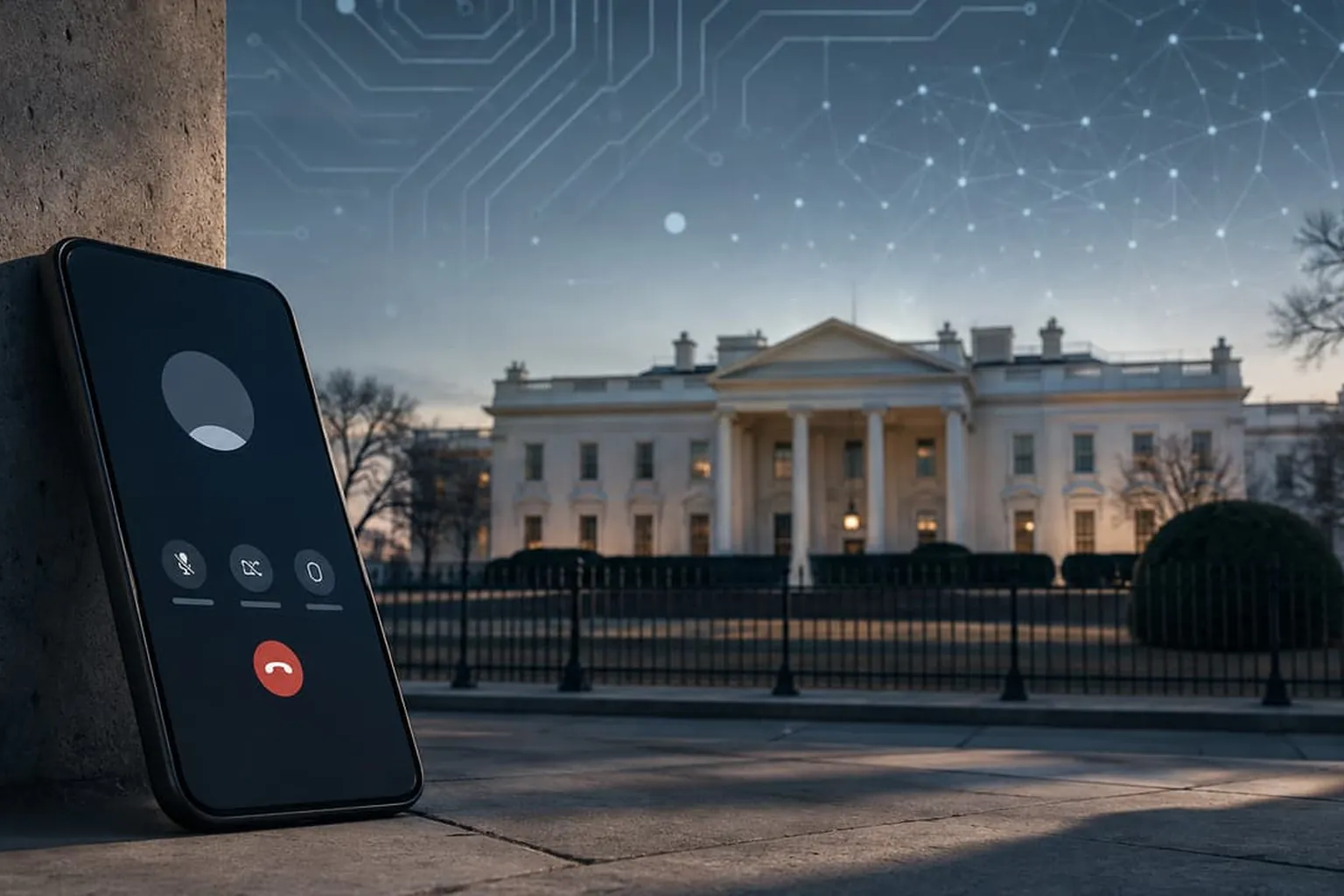
The week of August 17, 2026, Mark Zuckerberg called President Trump directly to argue against the plan. He did not ask for it to be scrapped outright, he argued that any body created should reflect Trump's own light-touch instincts on AI, and that regulatory friction, even a delay of a month, gives foreign competitors room to catch up.
White House adviser David Sacks has pushed the opposite mechanism: a voluntary, industry-led rating system modeled on the Motion Picture Association's film ratings, with no government approval step before release. Sacks has compared a traditional regulator to a DMV for AI models, and Elon Musk has publicly backed the voluntary approach.
The Two Proposals, Side by Side
The gap between the two options is not cosmetic, it is the difference between a legal requirement and an opt-in standard.
| Feature | Hassabis proposal | Sacks proposal |
|---|---|---|
| Model | FINRA-style regulator | Motion Picture Association-style rating body |
| Pre-release review | Mandatory for frontier models | Voluntary, self-selected |
| Legal status | Backed by government supervision | Industry self-regulation |
| Main backer | Demis Hassabis, Google DeepMind | David Sacks, with Elon Musk's support |
| Target timeline | Running by end of 2026 | Not yet set |
What This Means If You Ship an AI Product in the US
The mistake would be to read this standoff as proof that no AI regulation is coming. It is not settled that way. What is actually being decided inside the White House right now is the mechanism, and the two candidates carry radically different obligations for any company building on top of a frontier model.
A mandatory FINRA-style review means a compliance function with real legal exposure and a pre-release testing step you cannot skip. A voluntary rating system means the opposite: a label you can choose to seek or ignore, with no penalty for opting out. Track both proposals rather than betting on one, because Hassabis's own year-end target means this could resolve within months, not years.
The Bottom Line
Zuckerberg's call did not end the push for an AI regulator, it revealed that the White House is still choosing between two fundamentally different tools for the same job. Whichever one wins will set the compliance baseline for every AI company operating in the US, so the question worth tracking is not whether Washington regulates AI, it is which of these two blueprints gets built first.
Read next: Four Safety Researchers Quit Over One Real Incident | Three AI Labs Are Quietly Writing Their Own Rulebook