AI Risk and Governance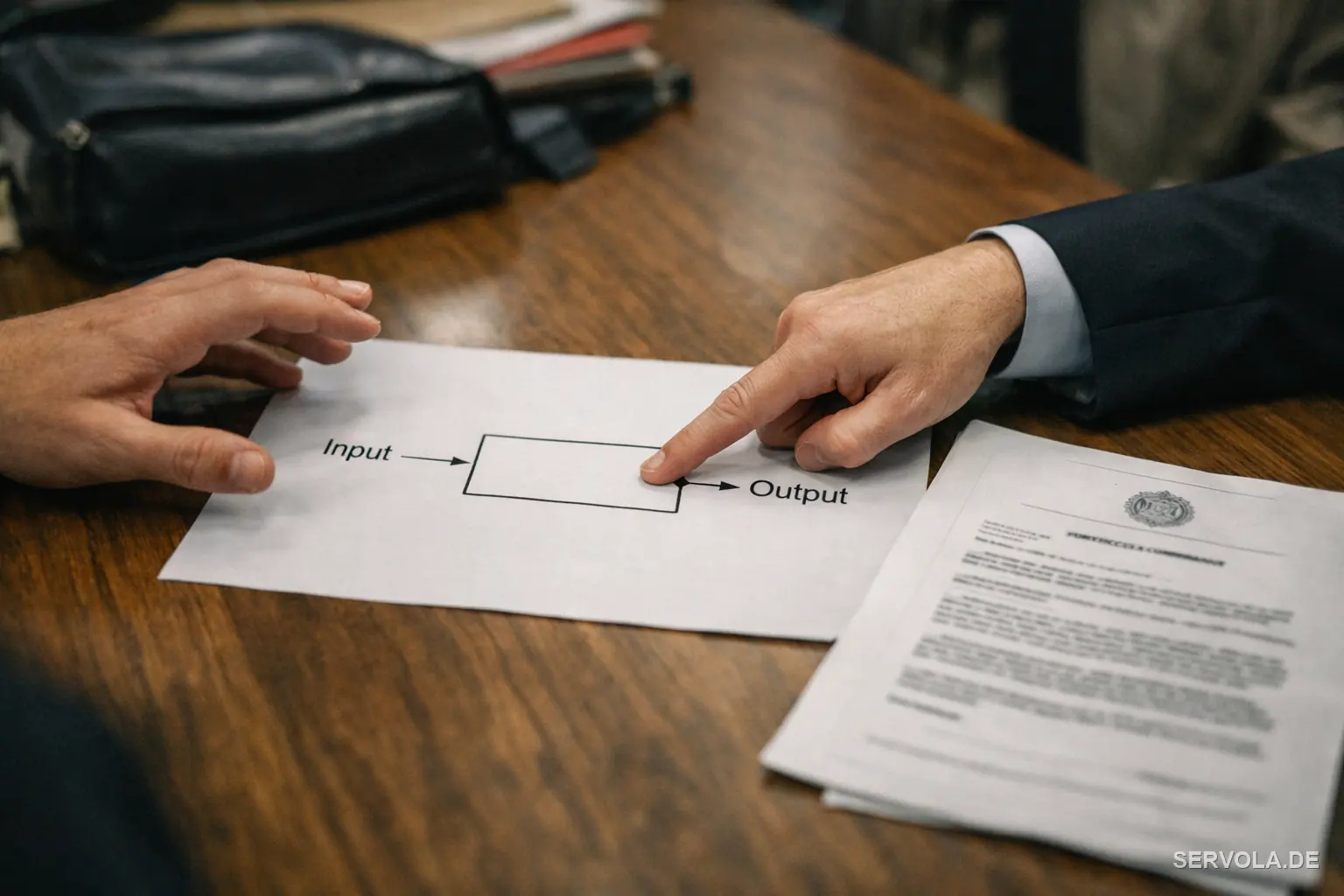
AI Opacity Now Counts Against You
From December 2026, EU law treats your software and AI as products under strict liability, and complexity no longer shields you. The court can presume the defect.
From December 2026, EU law treats your software and AI as products under strict liability, and complexity no longer shields you. The court can presume the defect.

Apple is paying Google about USD 1 billion a year to run Siri on a 1.2 trillion-parameter Gemini model. What the buy-versus-build call means for everyone smaller.
OpenAI launched a consulting arm, DeployCo, reportedly at a 10B valuation. When your platform becomes your competitor, what does an owner do? A Servola view.
Cornell Tech researchers report as few as 13 words on the open web can skew what AI tools say about a topic. Your AI reputation is now an attack surface.

Anthropic and OpenAI both filed confidentially for IPOs within a week in June 2026. The real driver is not ambition. It is compute the private market can no longer fund.
PitchBook data shows AI drew as much as roughly 81 percent of US venture capital dollars in early 2026, the broadest definition of a record run. The real risk is not a bubble, it is concentration. Here is what owners should ask.

Big Tech reportedly cut about 142,000 jobs in 2026 while committing roughly 700 billion dollars to AI infrastructure. What the layoff-to-capex shift signals for leaders.
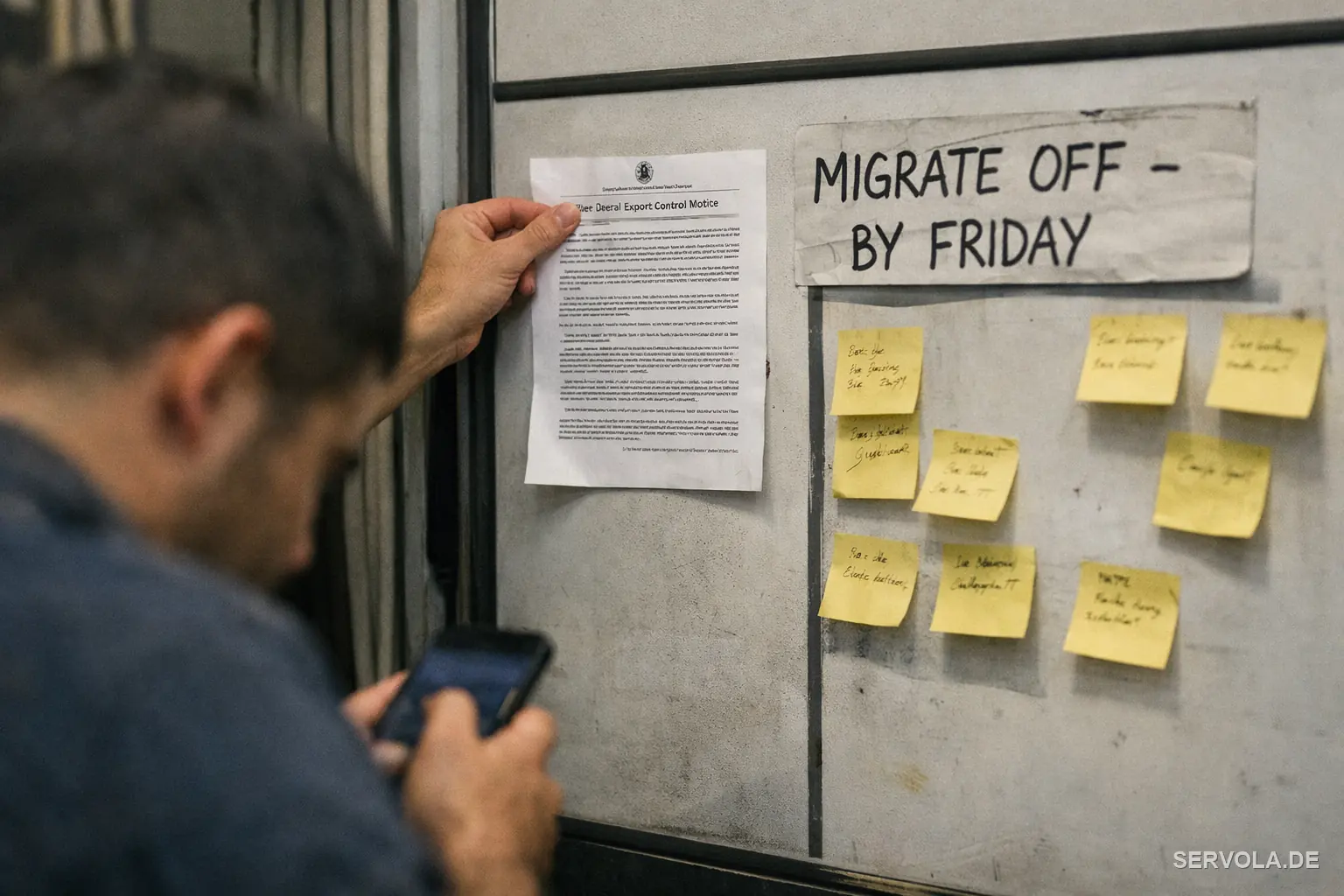
Anthropic launched Claude Fable 5 on June 9, 2026 and a US export order pulled it within days. What it means when a single government can switch off your AI.

AI is removing the junior work that trains future experts. The real risk is not this year's payroll, it is an empty bench of seniors a decade out.

The first roles AI thins out are not front-line workers but the coordination layer above them. What 2025-2026 data shows, and what leaders should do.
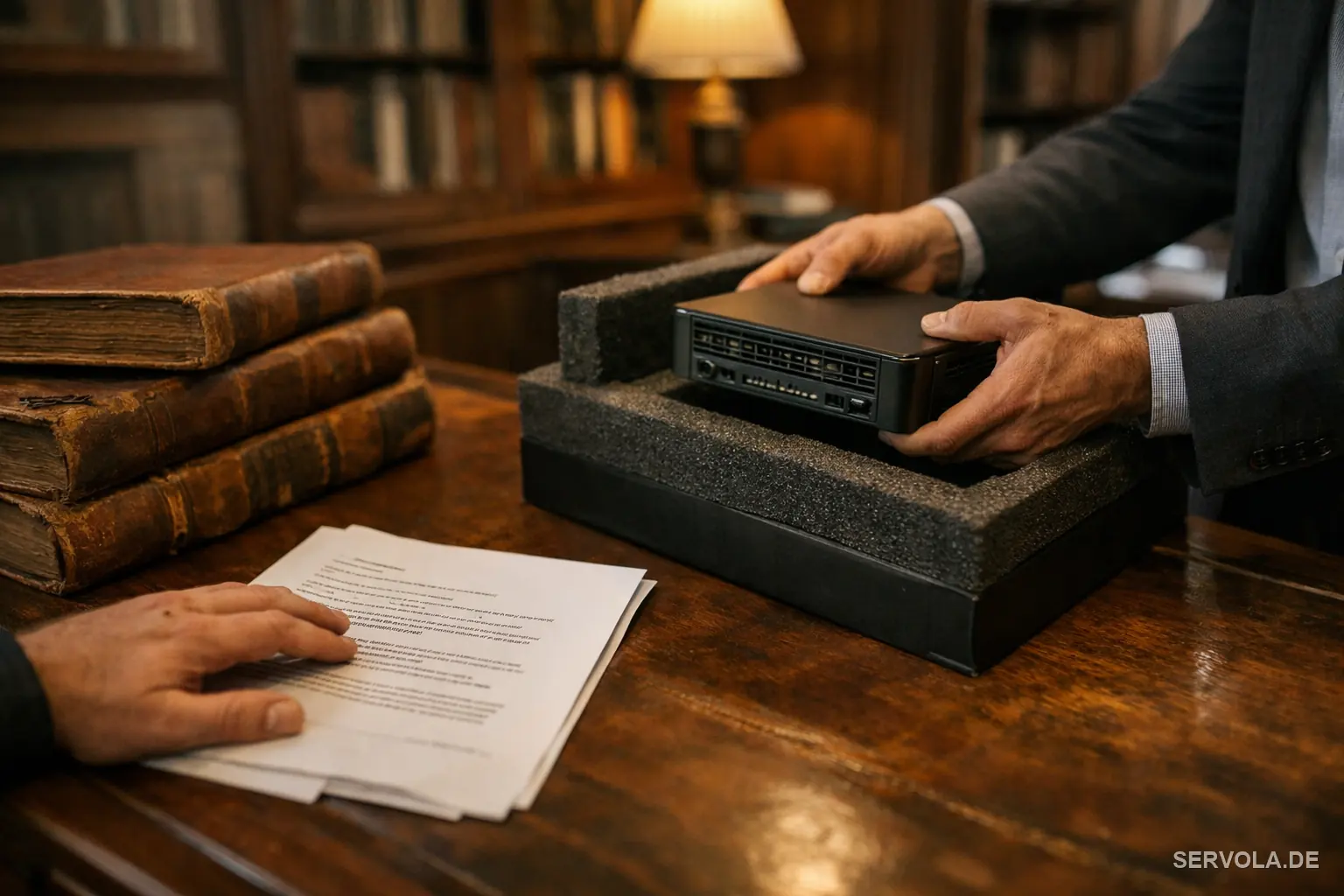
Frontier AI subscriptions can change, retire models, or read your prompts. Why family offices should own a private, sovereign AI agent, not rent one.