What Happened On 13 November
On Friday 13 November the FAA ordered a nationwide ground stop at 3:54pm Eastern, citing a telecommunications outage that hit its air route traffic control centres. The stop lasted more than four hours, and reports put the lift between 8:15pm and 8:19pm. More than 9,000 flights were cancelled on Friday and over 5,000 on Saturday, and FAA Administrator Bryan Bedford cited 12,000 flights lost, leaving crews and aircraft out of position. Officials said they saw no evidence of a cyberattack.
Why A Small Change Went National
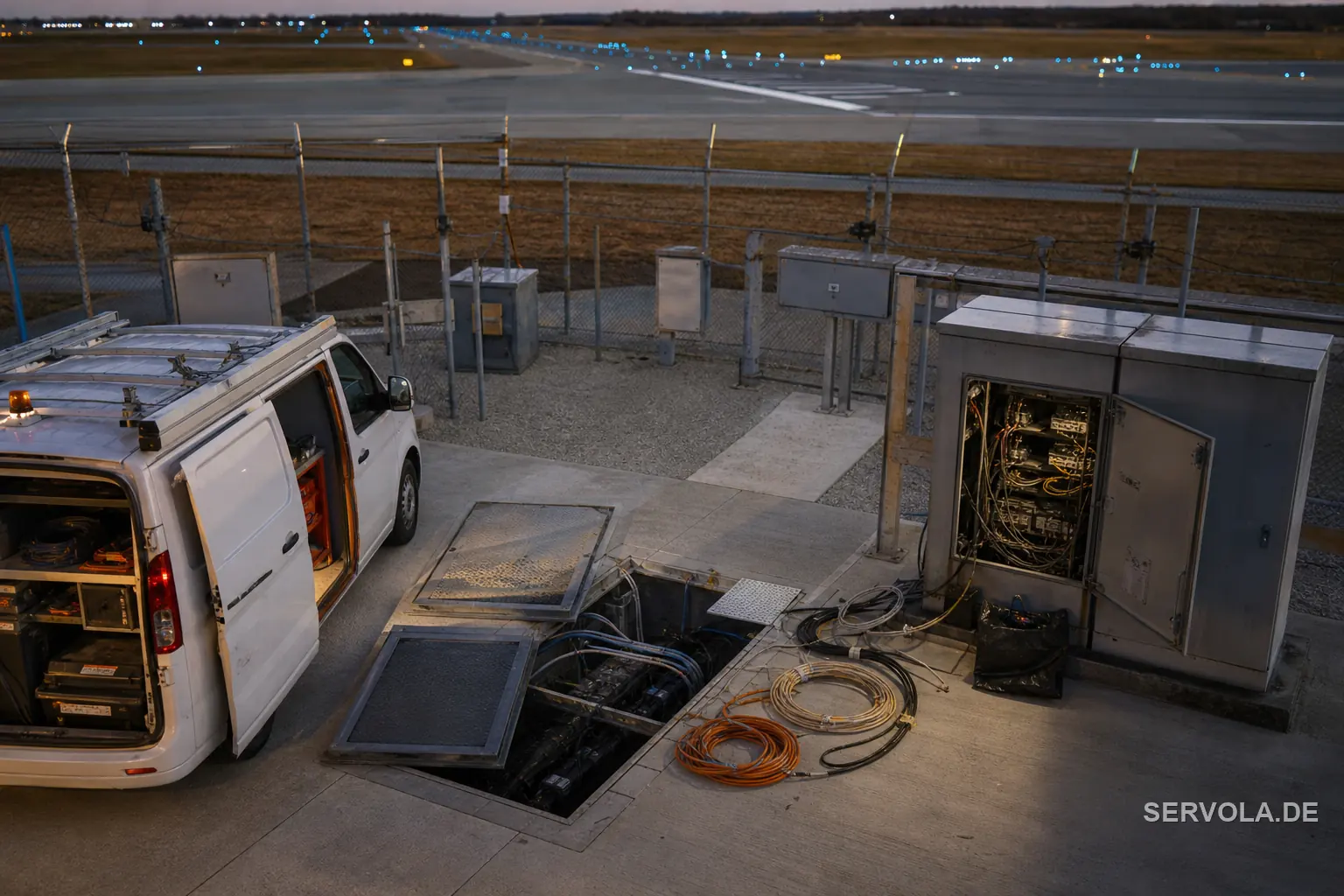
Transportation Secretary Sean Duffy said contractor L3Harris was replacing old copper lines with fibre at a remote site when a new router began sending about 1,000 connection attempts every four to five seconds and overloaded the network. He said the fault was "contractor error or a faulty piece of equipment" and that it was not yet determined which. A controllers' union said it involved two routers updated that Friday, while a CBS report of a software update triggering a reboot is unconfirmed by the FAA or L3Harris. L3Harris says it has completed more than 70 percent of the copper-to-fibre conversion. The FAA chose AT&T in August to build a replacement for this network, and Duffy has asked Congress for $50bn, after $12.5bn was approved last year.
What To Check Before Your Next Change
In our view, the lesson is not that upgrades are dangerous but that a tested, routine change can still hit everything at once when old and new equipment share one network. Before you touch a shared link, list what fails together if it misbehaves, and run the update against the oldest device that still depends on it, with a rollback you have actually practised. NIS2 and DORA both expect you to manage supplier and change risk, so keep the answers, and the contractor's own test evidence, in your continuity file.
Read next: When Email Security Becomes a Jurisdiction Question | A July Bug Took Down 80% of Microsoft's Email Gateways