The number that reframes the AI race
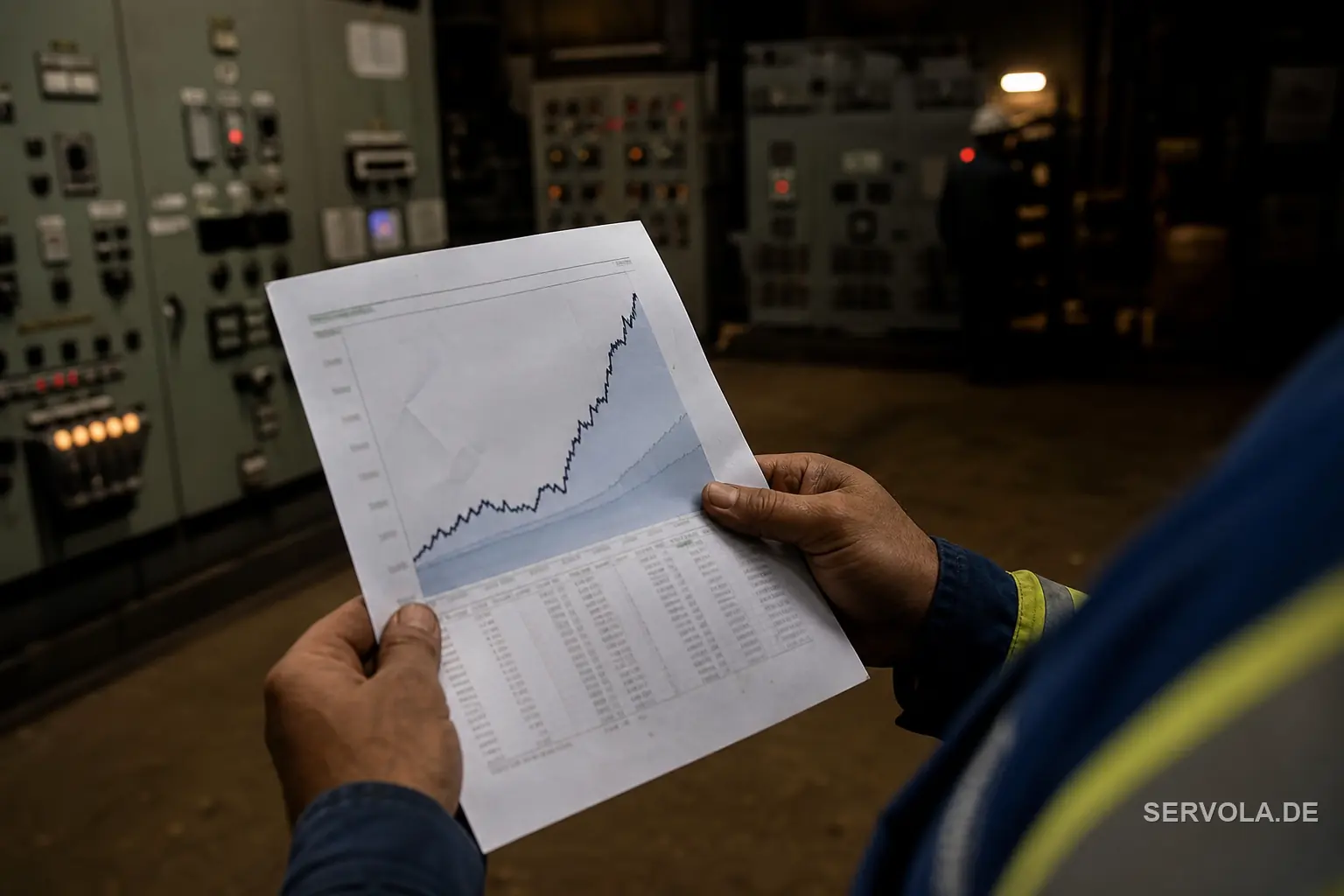
The headline is simple: Google's own 2026 Environmental Report, its eleventh annual filing released on 30 June 2026, shows electricity consumption rose 37% in 2025, the largest single-year jump the company has ever recorded and more than 250% above 2019. Data centers alone pulled roughly 42 million megawatt-hours, on par with the yearly demand of New Zealand.
The report is unusually candid. Google states plainly that its "AI infrastructure buildout is currently accelerating faster than the grid is decarbonizing." That single line, drawn straight from the 2026 Environmental Report, is the whole story: the demand curve for compute is now steeper than the supply curve for clean power.
Where the emissions actually moved
Yes, but the picture is split. Google cut operational Scope 1 and 2 emissions by 2%, matching 100% of its electricity with renewables for a ninth straight year and signing more than 12 gigawatts of new clean-energy deals. That is real progress on the electrons it buys directly.
The trouble sits upstream. Scope 3 supply-chain emissions grew 25% year over year, and data-center construction alone added about 2.3 million tons of CO2-equivalent, attributed largely to semiconductor suppliers on carbon-heavy grids in Taiwan, Japan, Vietnam and India. As Axios reported, the growth is being driven by the build itself, not just by running the machines.
The Servola read: power and permission, not GPUs
The bottom line: the binding constraint on AI is shifting from chips to two things a purchase order cannot fix, electrical power and local consent to build. Google's filing admits demand is outrunning grid decarbonization, and the physical build-out is hitting walls of its own.
On 2 July 2026, Blackstone-owned QTS formally terminated its "Digital Gateway" project in Prince William County, Virginia, a 2,100-acre campus on which QTS held more than 800 acres, withdrawing its last appeal to the Virginia Supreme Court after roughly five years of opposition. Virginia courts had voided the zoning approvals in March 2026 over a public-notice defect, and co-developer Compass Datacenters had already pulled out in May, as covered by Tom's Hardware.
The owner lesson is direct: if you are planning AI compute, self-hosted or committed cloud capacity, treat power availability, grid-connection queues and siting risk as the gating variables in your roadmap, not GPU allocation. Ask your provider where the electrons and the planning permission come from before you sign a multi-year commitment. In Europe the point is live, with connection queues and data-center constraints around Dublin, Amsterdam and Frankfurt.
Read next: New EU Data Centers Now Pay by the Border | Google Put Four AI Chips in Orbit, Not a Data Center