A Warrant, Not A Discount
Anthropic committed 11.6 billion dollars to Akamai's cloud on Thursday, and instead of a bigger discount for locking in seven years of spending, Akamai handed over a piece of itself. The two companies announced the agreement, expandable to nearly 20 billion dollars, and Akamai shares jumped about 22 percent in after hours trading before the deal had delivered a single unit of compute.
The mechanism is the part worth stopping on. Akamai did not simply cut Anthropic a lower price for committing early, the way a normal enterprise contract would. It issued a warrant giving Anthropic the right to buy roughly 7.7 million Akamai shares at 111.33 dollars each, structured so about 2 percent of Akamai's stock vests against the initial 11.6 billion dollar commitment, and a further 3 percent vests only if the two companies expand the deal by up to 9 billion dollars more.
Akamai CEO Tom Leighton called it a vote of confidence, telling reporters that Anthropic chose Akamai's capabilities for building and operating AI infrastructure at scale. That framing is true and also incomplete. A vendor confident enough to hand over equity on top of a contract is also a vendor that needed something beyond cash to close the deal, and an AI lab willing to accept equity instead of a bigger discount is betting that the stock will be worth more than the discount would have been.
What Anthropic Actually Bought
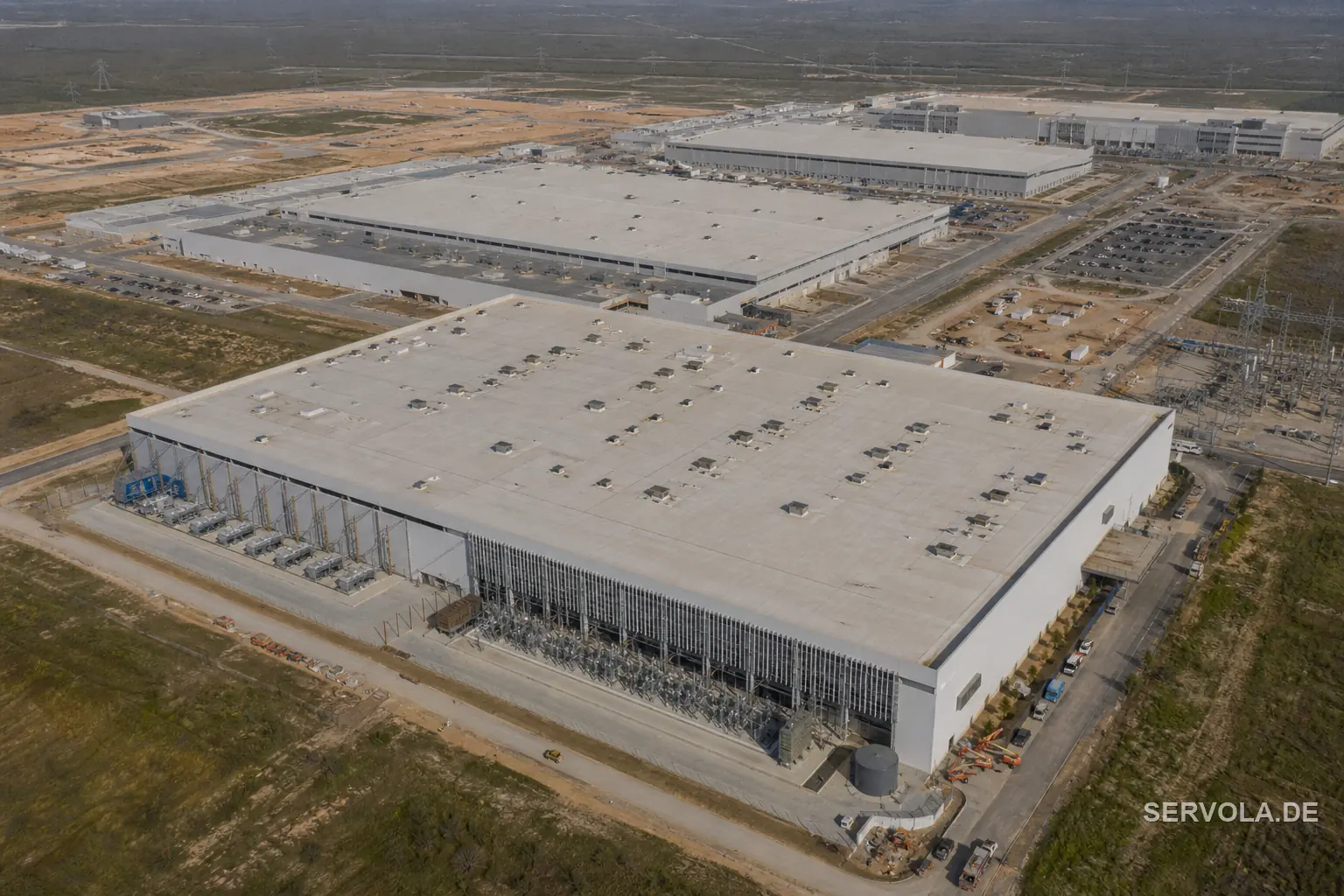
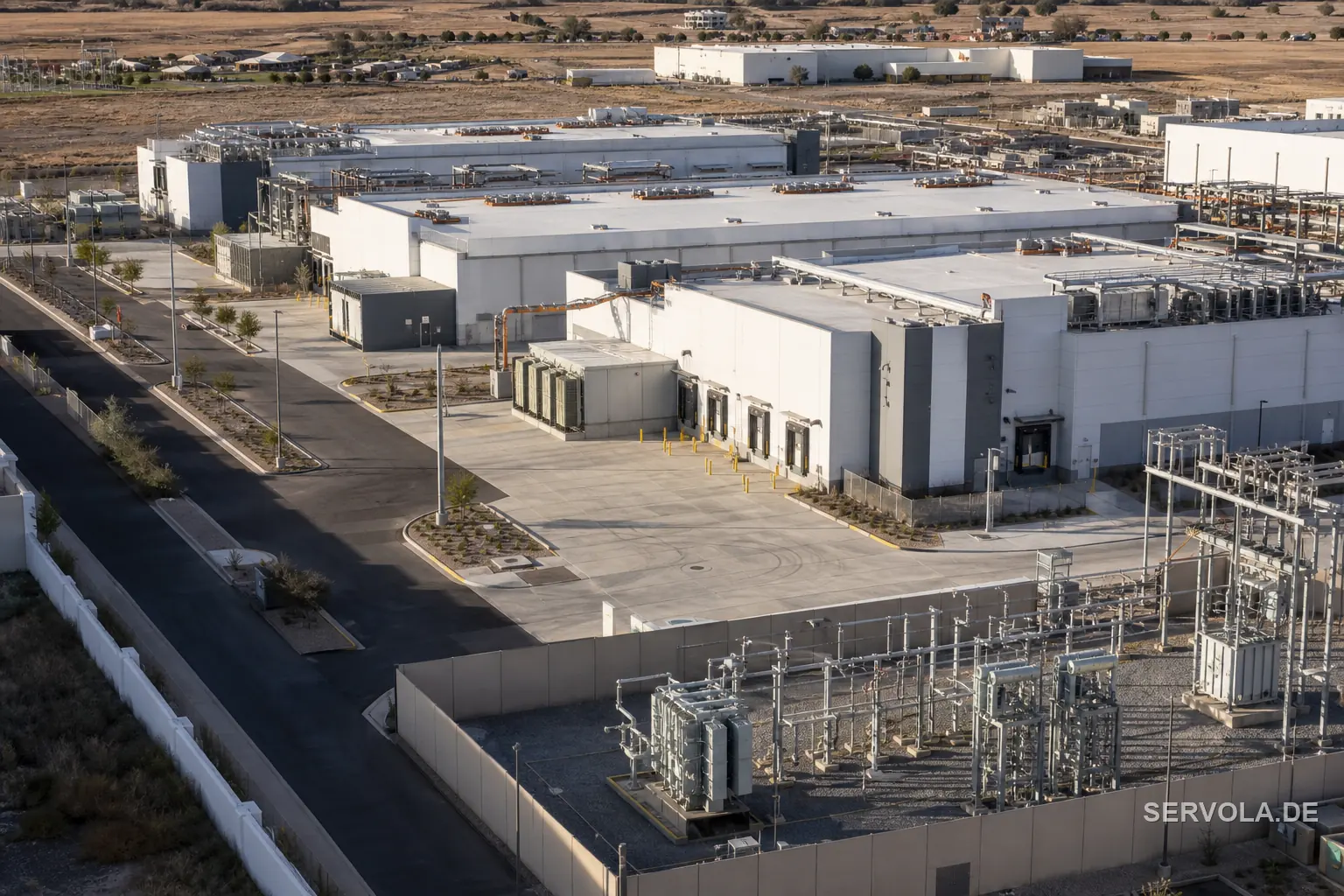
The seven year contract funds Akamai's build out of distributed cloud infrastructure aimed at Anthropic's CPU workload growth, the less glamorous half of AI compute that sits behind the GPU headlines: data movement, edge delivery, inference support. Akamai says the initial commitment alone drives about 5.5 billion dollars of its own capital spending, with a further 1.7 billion dollars already earmarked for memory and component procurement through its supplier Jabil.
| Figure | Amount |
|---|---|
| Initial contract commitment | 11.6 billion USD over 7 years |
| Maximum expansion value | Up to 20 billion USD |
| Akamai capex tied to initial deal | About 5.5 billion USD |
| Additional component procurement | 1.7 billion USD |
| Warrant strike price | 111.33 USD per share |
| Warrant size at signing | About 2 percent of Akamai stock |
| Warrant size at full expansion | Up to 5 percent of Akamai stock |
| Akamai share move on the news | About 22 percent, after hours |
Every one of those numbers describes the same underlying fact from a different angle: Anthropic is buying years of guaranteed capacity, and Akamai is buying years of guaranteed demand, and both sides decided a normal cash contract did not capture enough of that value on its own.
The Pattern Anthropic Keeps Repeating
Anthropic's Akamai deal is not its first compute deal built on something other than cash. One month earlier, in August, the company committed 45 billion dollars to Nscale for a data center campus in West Virginia, a deal that leaned on debt and construction financing rather than a warrant, but shared the same underlying logic: an AI lab burning through its own IPO runway locks in years of future capacity now, on terms that give the vendor an upside stake in the lab succeeding, because straight cash alone is not always enough to win the contract or move fast enough to build it.
Emarketer analyst Jacob Bourne framed the Akamai deal as evidence that infrastructure investment keeps accelerating even as concerns grow about the downside of agentic AI operating with too much autonomy. Vendors are not waiting for the safety debate to resolve before signing the checks, because the commercial upside of being an AI lab's chosen infrastructure partner is arriving faster than the risk debate is.
The Risk Nobody Priced Into The Stock Pop
A 22 percent stock jump on a single customer's spending commitment is not free. Every dollar of that reaction size measures concentration, and concentration cuts both ways. If Anthropic's compute needs shift, slow or get renegotiated, Akamai's stock has just as much room to give the gain back as it had to make it. That is a bet Akamai's own shareholders are now carrying, whether or not they were consulted about accepting it.
The less visible exposure belongs to Akamai's other customers, the ones who were using its cloud and edge network long before Anthropic signed anything. A vendor with a single client controlling a growing slice of its equity and its capacity roadmap has a new incentive to prioritize that client's workloads when demand spikes or hardware runs short, whatever the service level agreement says on paper. That is the ordinary consequence of concentration, and it rarely gets mentioned in coverage that leads with the headline number.
What To Check In Your Own Vendor Contract
Enterprises that buy cloud, edge or CDN capacity from a mid sized vendor now have a concrete question worth asking, not a hypothetical one. Does this vendor hold, or is it negotiating, a warrant or equity stake tied to an AI lab's spending commitment. If the answer is yes, capacity planning conversations should include what happens to your own priority during a shortage, because the vendor's biggest financial incentive may no longer point in your direction.
None of this makes the Akamai-Anthropic deal a bad one for either company. It is a rational structure for two parties who both needed more than a normal contract could offer. But the warrant is the real story here, more than the headline number, because it is the piece of the deal that will still be shaping vendor behavior long after the initial 11.6 billion dollars has been spent.
Read next: Ireland Just Became AWS's Only Private Bridge to Europe | Three AI Vendors Went Down in One Window on Sept 3