A Chipmaker Buys A Model Lab
On 28 September 2026 AMD announced a definitive agreement to buy World Labs, the San Francisco lab Fei-Fei Li founded in 2024, for about $8.2 billion in stock. CNBC reports it is the second largest acquisition in AMD's history, behind Xilinx, and sets it beside the other AI deals of the past year.
| Deal | Buyer | Value reported by CNBC |
|---|---|---|
| World Labs | AMD | $8.2 billion, all stock |
| Xilinx (2022) | AMD | roughly $50 billion |
| Groq assets and Hugging Face | Nvidia | $33 billion combined |
| Scale AI minority stake (2025) | Meta | $14 billion |
| io, Jony Ive's devices startup | OpenAI | about $6.4 billion |
Li will join AMD as executive vice president and chief scientist, reporting to chair and CEO Lisa Su. AMD says the World Labs team will keep focusing on model research after closing, and CNBC reports the company will be held apart from AMD's chip business until then.
The two companies already worked together. World Labs says a technical partnership began last year with model training and inference optimization on AMD GPUs, and Li writes that Su was an early investor. Justin Johnson and Ben Mildenhall will keep leading the team alongside Li.
Why A Chipmaker Wants The Workload
AMD's stated reason is that hardware should be designed around the models that will run on it. Su says building the next generation of compute platforms requires a deep understanding of how models are evolving, and the release adds that World Labs' work will help shape AMD's technology roadmaps.
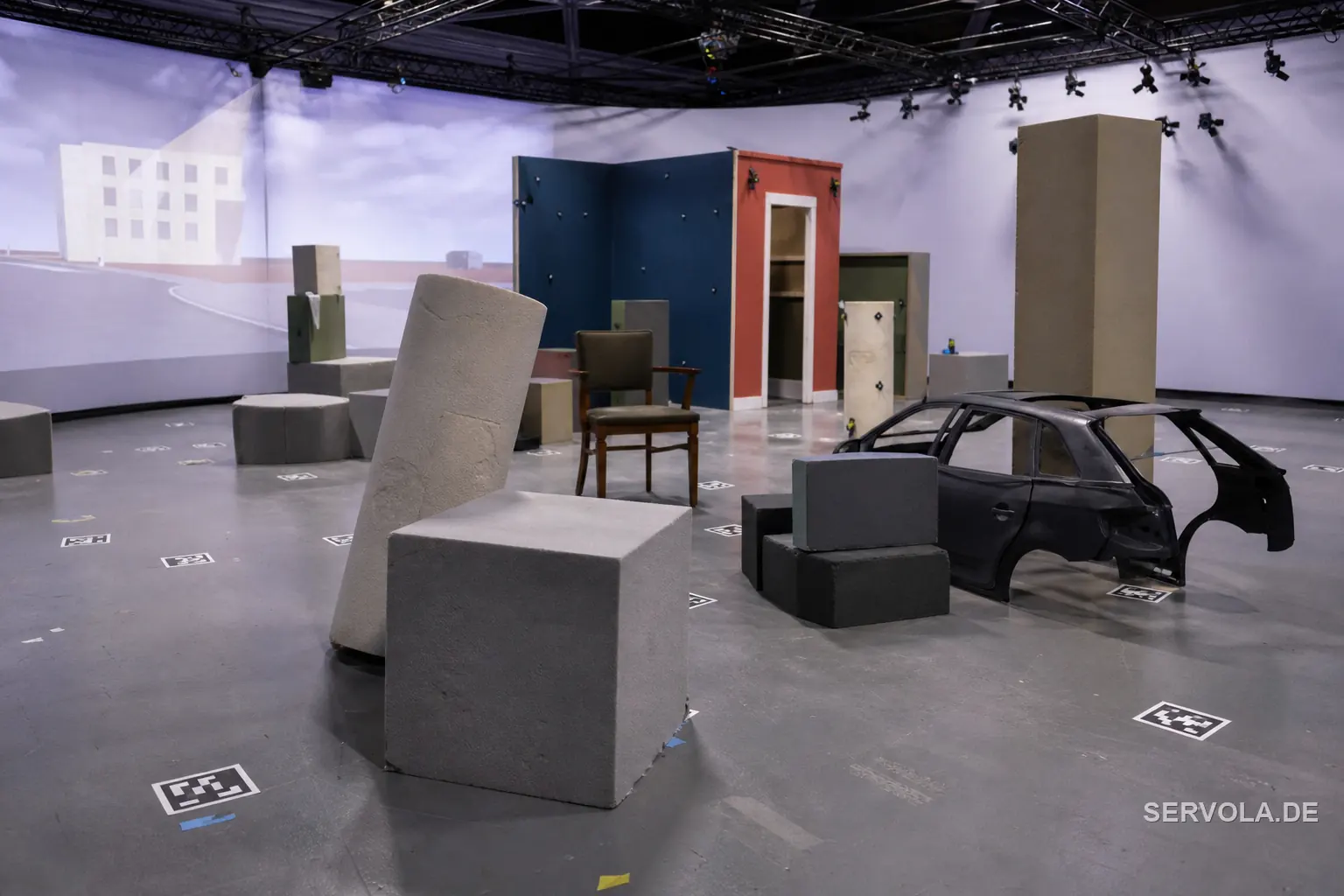
World models generate and simulate 3D environments from text, image and video inputs, which is a different workload from predicting the next word. The Register reads the deal as an ecosystem move: it notes that AMD's software engineering resources are small next to Nvidia's and that the team gives AMD an in-house AI development group to win over enterprises. TechCrunch adds that Nvidia already offers open-weight world models through Cosmos, while AMD has so far offered only text and video models publicly.
The Register also calls the deal a hedge in case language models turn out not to be the whole story. Li has long argued that language alone is not enough for model development, so the lab owns exactly that bet.
Customers Already Sit Between Two Vendors
World Labs' first commercial product, Marble, launched in November 2025 and lets users create editable 3D environments from text or images and download them for use in other tools, according to AI News. That export step is where the chip vendors now meet.
AI News describes a robotics workflow from Lightwheel in which a Marble scene is converted to the USD format with Nvidia's Omniverse NuRec and loaded into Nvidia Isaac Sim. World Labs says this cut environment creation from weeks to minutes, a figure from its own case study that has not been independently verified. Nvidia also invested in World Labs' February round, and Autodesk put $200 million into a $1 billion round.
AMD's announcement did not say whether Marble's export options or its compatibility with Nvidia's simulation tools will change after the deal closes. Nothing in the public statements settles it either way.
What To Ask Before You Build On Marble
If you use World Labs models in a robotics, design or media pipeline, treat the months before closing as a window to get terms, not assurances. Ask the vendor in writing whether current export formats and the Nvidia simulation path will be supported through at least the next product generation.
Keep your scenes in open interchange formats such as USD, so that a roadmap shift costs you a conversion rather than a rebuild, and run a small test of the same workflow on a second world model. World Labs promises widely accessible open models, so ask what open covers: weights, licence or only access.
For buyers of AMD hardware the signal is slower. This is a statement about future software support, not a product you can deploy, so judge it when AMD names which World Labs capabilities ship on its stack and when. The deal still needs regulatory approval and a close by the end of 2026.
Servola Journal
We do this for everyone trying to keep up with what technology is doing to our lives. The people who build it, and the people it happens to. The Servola Journal exists so that what we learn belongs to all of them.
Nobody pays us for this. No ads, no paywall, free to everyone. We just believe that understanding what's happening to all of us shouldn't depend on who can afford to pay for it.
If it gave you something today, tell us to keep going. Follow us, leave a like, or write a positive comment. We read every one, and they are what keeps us going.
Read next: Nvidia, AMD, Qualcomm Back the EU AI Gigafactories | Google's $1.5B AI Deal Is Not Legally A Merger