Twenty-Four Days From CEO Exit To Chapter 11
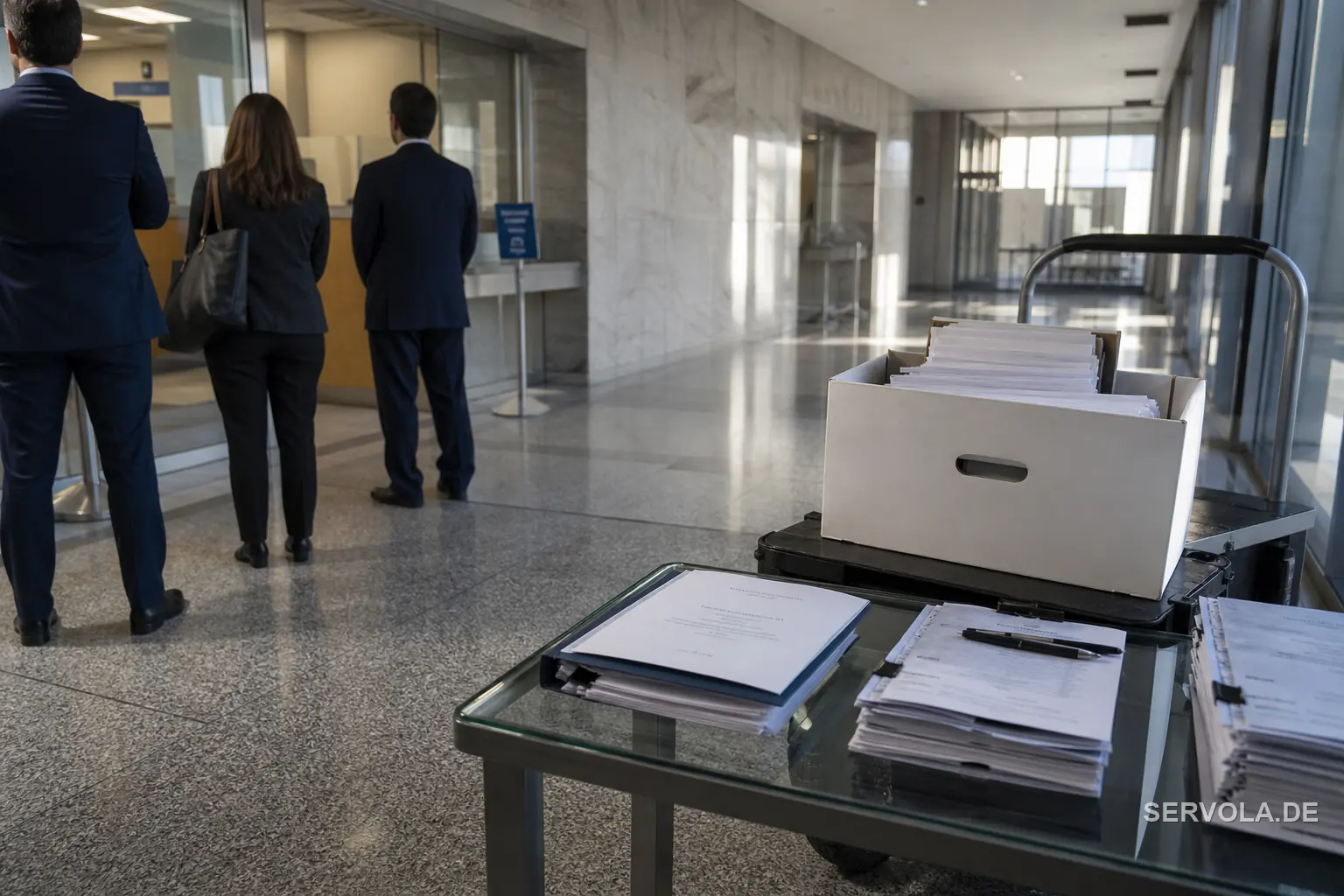
Character.AI filed a voluntary Chapter 11 case in the US Bankruptcy Court for the District of Delaware on 12 October 2026, 24 days after it announced that its chief executive was leaving for Disney.
| Date | Event |
|---|---|
| 18 September 2026 | Company blog post: CEO Karandeep Anand joins Disney and expects members of the technical team to follow |
| 12 October 2026 | Voluntary Chapter 11 filing in Delaware, with Disney as stalking horse bidder at $20 million |
| Late November or early December 2026 | Sale process expected to conclude |
The company's blog post of 18 September said then-CEO Karandeep Anand was joining Disney as senior executive vice president and chief technology officer, and that he expected members of Character's technical team to join him. Colin Adams, the CEO, says the board chose a court-supervised sale after a comprehensive review of alternatives, citing significant legal, regulatory and operational headwinds. The reports say nothing more about the cause, and we won't guess.
What Disney Is Buying And What Stays Open
Disney Worldwide Services, an affiliate of The Walt Disney Company, is the stalking horse bidder: a $20 million opening offer that sets the floor and can be beaten by higher or better bids.
The agreement covers a non-exclusive perpetual licence to certain intellectual property and certain company claims, plus transition services provided through former Character.AI employees whom Disney has hired. The company says those services help it operate the platform safely for a limited time and support the sale.
As described, the agreement is a licence with transition services, not a commitment to run the platform. The company says that if the sale does not produce a purchase that provides for continuing the platform, the platform will be wound down.
How Big The Company Is And What Keeps Running
Character Technologies listed estimated assets and liabilities between $50 million and $100 million in its court filing, according to Reuters.
The company says it intends to keep operating the platform with minimal service disruption during the sale. Its first-day motions ask the court to approve paying wages and benefits, honouring user commitments and paying vendor and partner obligations that arise after the filing.
The company describes itself as an AI entertainment platform founded in 2021, so most readers are not customers, but the lesson holds for any AI service you depend on.
What To Put In Your Vendor File This Week
Start with a list of every AI service your staff or product depends on, and mark the ones where a single product team or founder holds the roadmap.
For each, find out what you can export and in what format. Ask for it now. Check what your contract and data-protection law give you on export and deletion, and take legal advice if the answer is unclear.
Write the exit plan while the vendor is healthy: which service replaces it, how long a switch takes and who decides. Ask for a notice period before the service changes or ends and, for anything critical, escrow or a continuity clause. A leading indicator is a founder or CEO leaving, as here, which you can see before a filing.
Read next: Anthropic's $42B Loss Is Mostly Not Cash | Bending Spoons Just Bought Your Whiteboard Too