The number that should reset the debate
The number. Ember, in analysis published on 16 July 2026, found that if China's utility-scale battery fleet had run at around 350 full cycles a year - an international norm - it could have moved an extra 23 TWh of clean electricity into peak hours across 2025. Ember frames the scale plainly: that is enough electricity to power Singapore for five months.
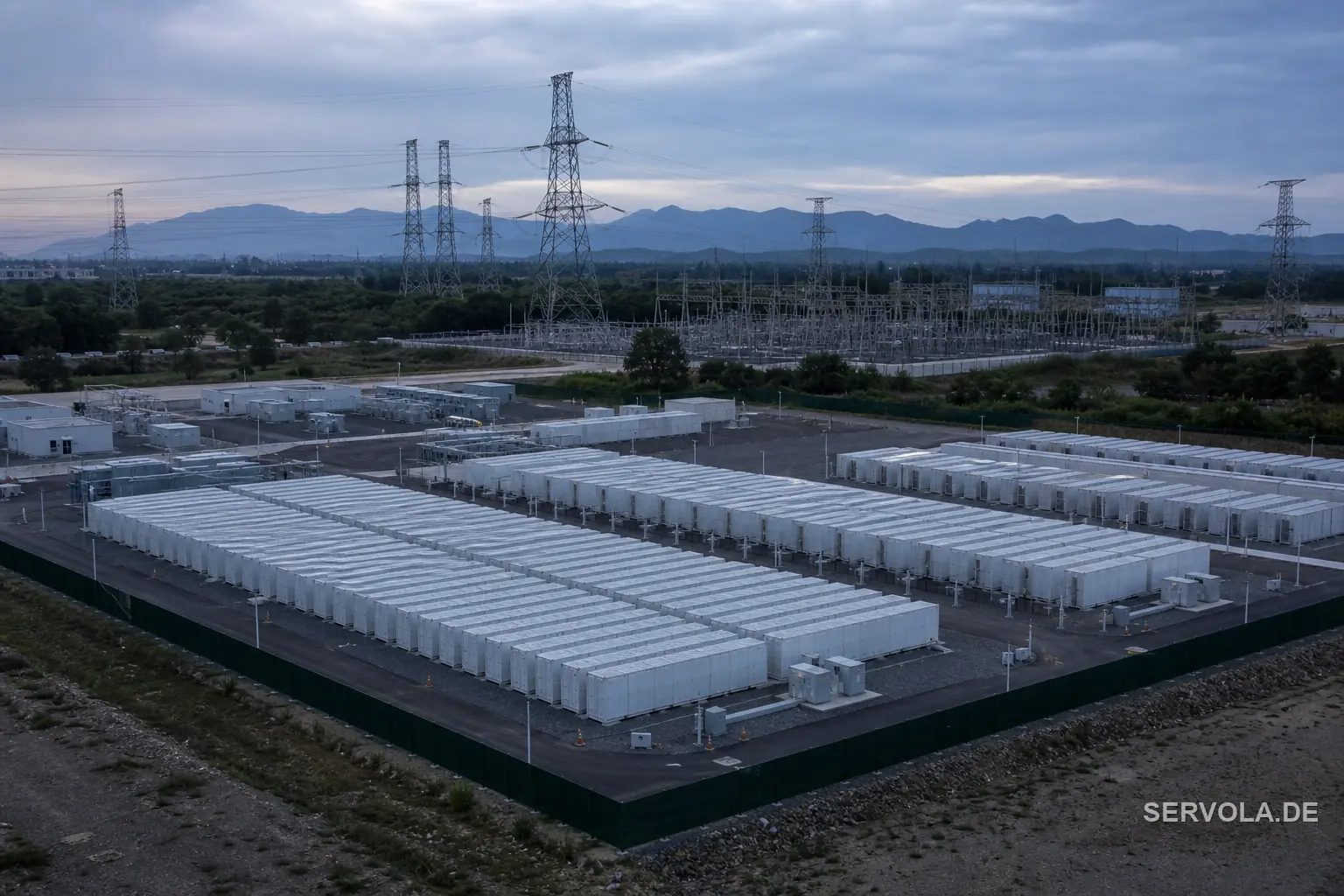
The gap is not about how many batteries China built. The country holds over half of global battery energy storage capacity and had nearly 150 GW of lithium-ion BESS installed by the first quarter of 2026. In December 2025 alone it added 18.76 GW and 65.46 GWh of new energy storage, more than the United States added in the entire year.
The 23 TWh is what those batteries could have delivered had they cycled at the international benchmark. It is a utilisation gap, not a construction gap, and it is the first time the headline number in this market has been about running rather than building.
Build is solved; running is the bottleneck
Why it matters. Ember's thesis is one sentence: having the batteries is not the same as using them. The bottleneck has moved from how much capacity you build to how hard the market lets you run it, and that shift changes which metric an owner should track.
The trend was already visible in the numbers. Utility-scale BESS utilisation more than doubled between 2022 and 2025, but a roughly 100-cycle annual gap remained between standalone systems and renewable co-located systems. Batteries bolted onto solar and wind to satisfy a mandate were run less than batteries built to earn in the market.
Two documents did what more capacity could not
The mechanism. Two policy changes, not two factories, moved utilisation. Document 136, in February 2025, ended the rule that new renewables had to come with mandatory co-located storage. Document 114, in January 2026, extended capacity-payment remuneration to standalone BESS, giving a battery a reason to exist and run on its own economics.
The market answered immediately. Standalone storage made up 84.7 percent of newly installed capacity between January and April 2026, against 8.4 percent for co-located systems. When the rules paid batteries to be dispatched rather than merely to be present, owners built the kind that gets used.
The read-across for European owners
The bottom line. For a European operator siting compute or industry near cheap off-peak power, the same rule holds: cheap power is only cheap if dispatchable storage is actually run to deliver it, and whether it runs depends on the market rules where you sit, not on the battery count in the region.
The European context sharpens the point. EU solar reached a record 25 percent of generation in June 2026, deepening the midday price trough. The value for an operator is in load-shifting into that trough and out into peak hours, which is the same utilisation lever Ember is describing in China, priced in EUR rather than yuan.
An owner reading capacity headlines is watching the wrong lever. The question to ask of any storage plan is not how many gigawatts sit on the balance sheet but how many cycles a year the market will actually let them run.
Read next: Batteries Undercut Gas Peakers in All 43 Markets | China Turns Family Members Into AI Export Controls