One Phone, Three Tiers, One Number That Matters
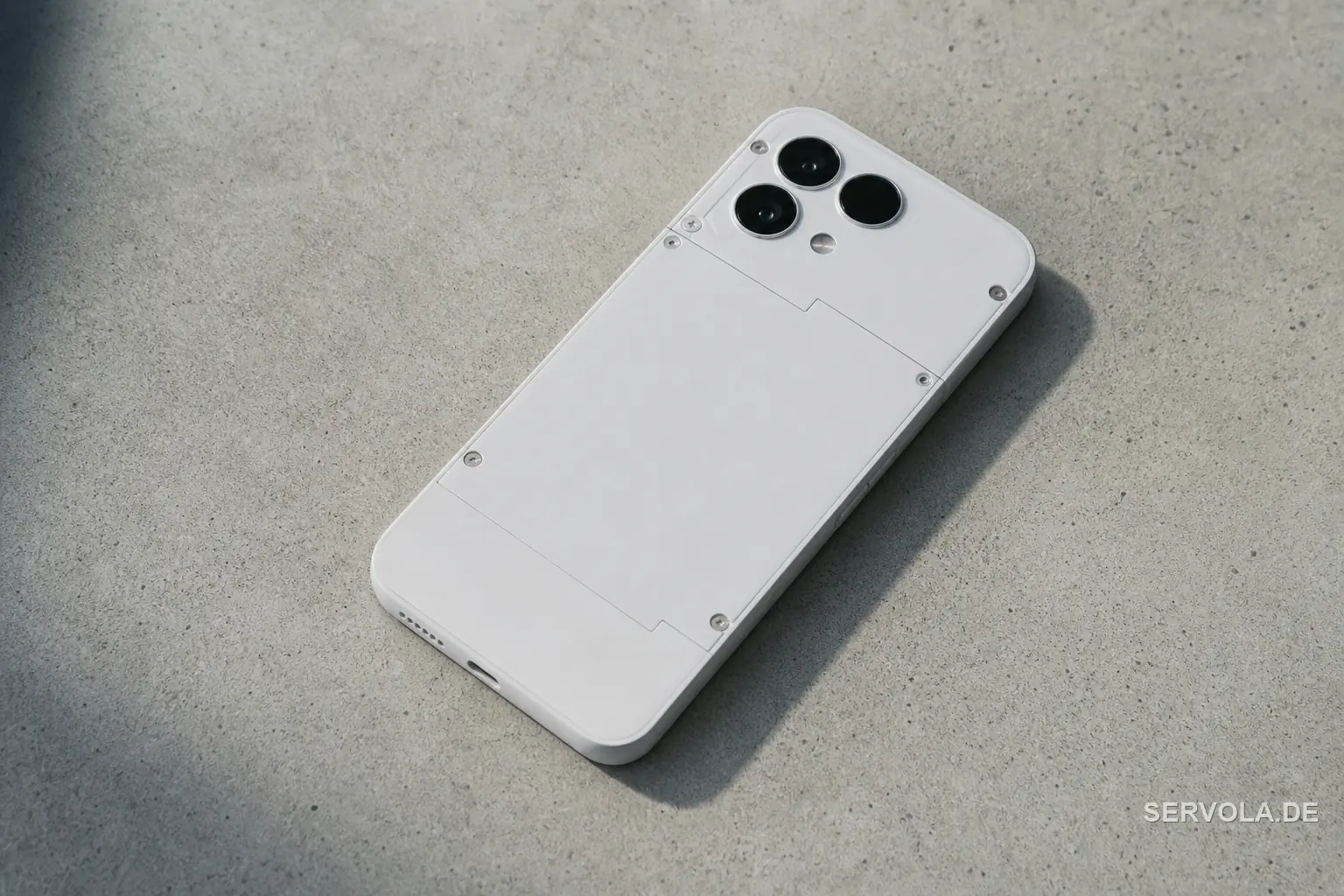
Fairphone put three versions of the same phone on its shop page on August 18: the base Fairphone 6 at 549 euros, the Fairphone 6 Plus at 649 euros with the upgraded Snapdragon 7s Gen 4 chip and 12GB of RAM, and an e/OS-by-Murena privacy edition at 699 euros running a de-Googled build of the same hardware. The specification jump between the base model and the Plus is real but modest by industry standards: one chip generation up within the same 7s Gen tier, and 4GB more memory.
The number that actually separates this launch from a mainstream Android release sits further down the page: software support promised through 2033. Most phone makers commit to three to five years of updates and stop talking about it after that. Fairphone is naming a specific end year, seven years from this week, while the phone is still in the box.
Why a Repair Spec Sheet Belongs in a Procurement Conversation
Fairphone lists 12 to 13 individually replaceable parts and backs the phone with a five-year hardware warranty, both figures Fairphone states directly on its own product page rather than through a third party. For a private buyer that mostly means a cracked screen or a dead battery does not end the phone's life. For a business running a device fleet, it changes a different number: how often IT has to budget for a full replacement cycle rather than a component swap.
A typical company phone plan assumes a refresh every two to three years, driven less by hardware failure than by the point where software updates and app compatibility quietly stop. A phone specified to receive updates until 2033 does not remove that judgment call, but it moves the point where the decision has to be made from a fixed three-year contract clock to whenever the hardware itself, not the update schedule, actually gives out.
The Google Question Is Now a Checkbox, Not a Workaround
The e/OS-by-Murena edition, priced 50 euros above the Plus, is the same hardware running a fork of Android built by Murena with Google's services and telemetry stripped out. Previously, getting a de-Googled build onto a Fairphone meant flashing a custom ROM yourself. Fairphone now sells that configuration as a checkout option, at a fixed price, with the same warranty terms as the standard models.
That matters less for the average consumer than for organisations in the EU and UK already weighing where their staff's devices route data, particularly teams that have already moved email, storage or communications off US cloud platforms as part of a broader sovereignty push. A repairable phone that also ships without Google's default data pipeline removes one more device on the list that still defaults to a US stack by default.
Read next: Fairphone 6 Plus Debuts Into a Memory Cost Squeeze | Fairphone's Gen. 6+ Turns Five-Year Support Into a Procurement Case