A crisis drill four organisations actually completed
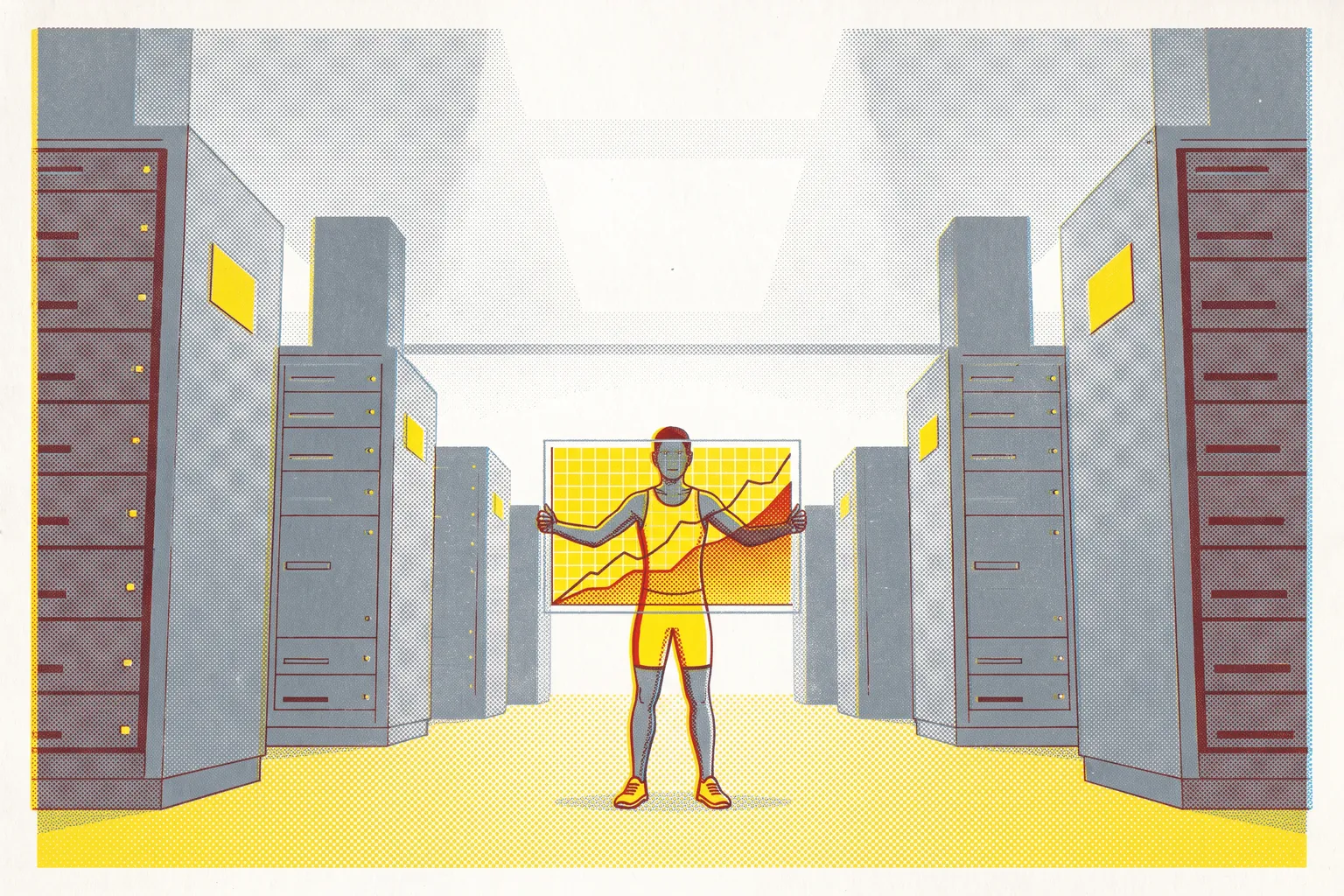
CKKI - Cloud-based Communication for Critical Infrastructures - was not a lab demo. Germany's Federal Pension Insurance Fund, the Federal Employment Agency, health-insurance IT provider BITMARCK and workers'-compensation IT provider BG-Phoenics each stood up a separate openDesk instance on a different cloud platform and put the file-sharing, chat, email and video-conferencing modules through scenarios meant to simulate a real outage or crisis. The federal government funded the work through the Ministry for Economic Affairs and Energy, with EU financing behind it.
The result that matters is portability: instances migrated between the IONOS, STACKIT and T-Systems clouds without breaking the workflow, demonstrating that a sovereign emergency workplace does not have to mean lock-in to a single sovereign vendor. That is a meaningfully different, and harder, claim than simply proving openDesk can replace Outlook on a normal Tuesday - it is proof the software can survive losing its own infrastructure provider mid-crisis.
The federal government is the programme's own straggler
The technical result sits awkwardly next to the adoption number. A German government response to a parliamentary question, published April 22, 2026, put federal openDesk licences at 8,756, with 8,475 already in productive use - itself an increase from 7,696 at the end of 2025, but still described in the same answer as falling short of 'exclusive use of openDesk as a replacement for proprietary solutions.' Meanwhile, openDesk's own reporting puts total workstations running the suite across German public administration at roughly 100,000, a figure driven overwhelmingly by state-level adopters such as Schleswig-Holstein rather than by the federal ministries that commissioned and just certified the crisis-workplace pilot.
In other words, the level of government that funded CKKI, wrote the emergency-workplace requirements and now gets to claim the technical win is, by its own numbers, one of the programme's smaller customers. The gap is not a technology problem - the pilot just closed that argument - it is a federal procurement and rollout pace that has not kept up with the sovereignty case the federal government itself built.
What the August consultation has to answer
The public consultation opening at the end of August is billed as the next step toward scaling openDesk as a sovereign emergency workplace, with CKKI's findings feeding into the EU's broader 8ra initiative for interoperable sovereign cloud and edge infrastructure. That consultation inherits a credibility question CKKI did not have to answer: a crisis-communication tool is only as useful as the number of seats actually provisioned before the crisis arrives.
For other EU public administrations watching Germany's model, the lesson from 2026 is not that open-source sovereignty pilots fail technically - this one plainly worked - but that a successful pilot and a funded procurement pipeline are two different projects, and a government can lead the first while lagging its own states on the second.
Read next: Games Just Became Tech Sovereignty Policy | Germany Has Not Actually Funded Its Newest Quantum Computer