The half of the sentence that got cut
Shakil Barkat, who runs devices and services at Google, gave an interview in the last week of July in which he said two things. The first travelled everywhere: there has never been an increase in memory prices like the one the world is going through, Google has shielded its customers from supply fluctuations for as long as it could, the economics have fundamentally shifted, and Google is not immune. Every Pixel will see a price adjustment, with the specifics landing at the Made by Google event in New York on 12 August.
The second thing he said was that Google has started a dedicated effort to reduce how much memory Android and its app ecosystem require, so that devices can ship with less RAM and still work well. That half was reported, then dropped. It is the more consequential half, and it points the opposite way from the price rise.
Why it matters: a hardware cost shock is being met with a software answer, and the two carry contradictory instructions for anyone who buys phones in quantity. One says buy now before the increase. The other says the reason you replace devices is about to weaken.
Twelve dollars a gigabyte, and who is actually exposed
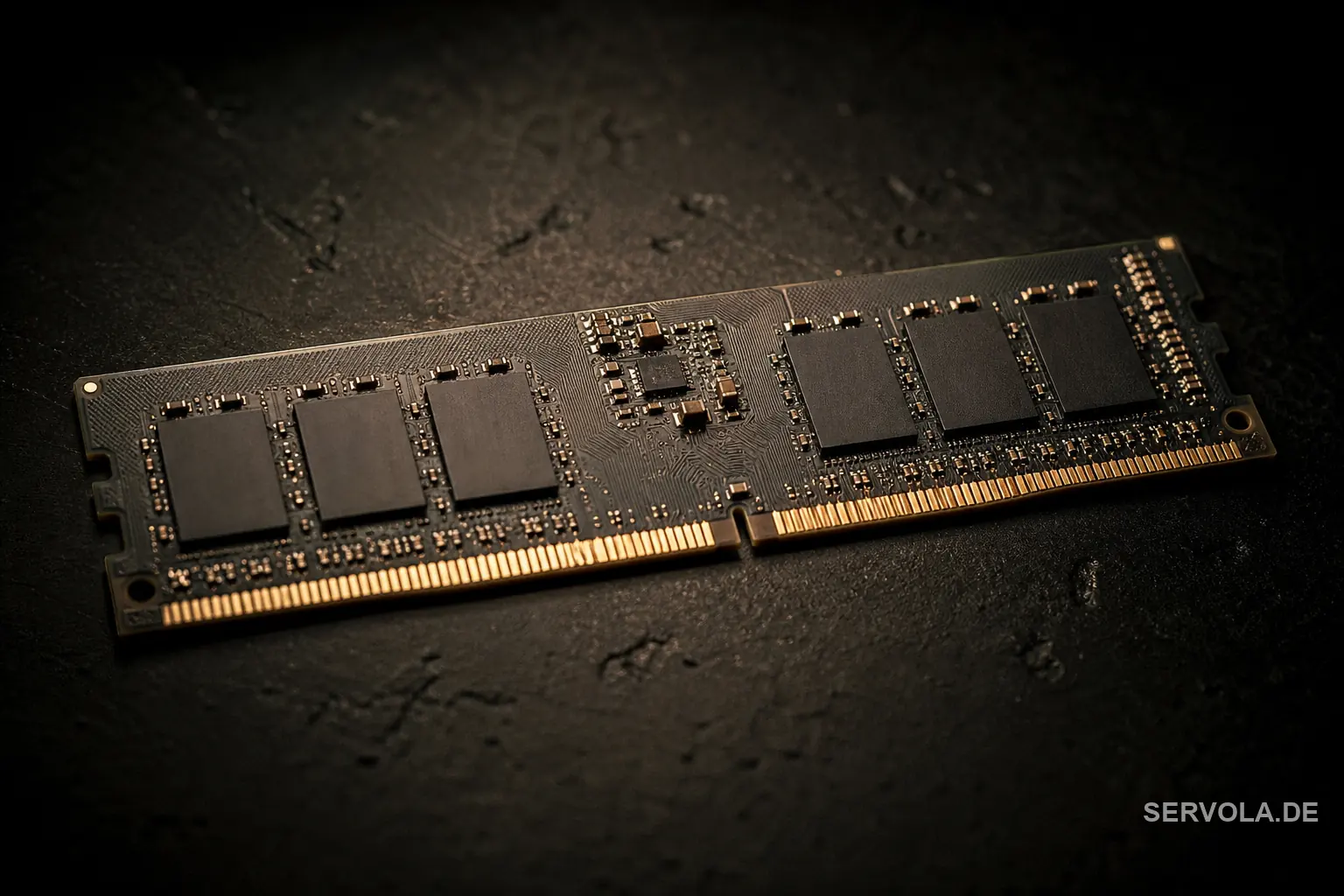
The number Barkat cited comes from Morgan Stanley: a gigabyte of RAM cost about 2.80 dollars in 2025 and costs about 12 dollars in 2026. Run that through a flagship handset with 16GB and the memory alone moves from roughly 45 dollars to roughly 192 dollars. That is about 147 dollars of new cost inside one device, before any change in storage, and the baseline storage tier is moving up as well.
The reflex is to read this as a shortage that everybody shares. It is not. TrendForce reported on 9 July that several US-based cloud providers have entered multi-year long-term agreements which restrict suppliers from raising prices for those clients, and that pricing pressure therefore shifts onto customers without such agreements, along with any supply sold outside them. The largest buyers of memory on earth have fixed their price by contract.
The distinction that matters: twelve dollars a gigabyte is not the market price of memory. It is the price of memory bought without a hedge. A phone buyer, a laptop fleet manager and a mid-sized company refreshing workstations all sit in the unhedged pool, and that pool is where the entire adjustment is being absorbed.
This reframes the story from scarcity to contract structure. The useful question for an owner is not whether memory gets cheaper next year. It is whether the things you buy are priced off an agreement somebody signed in advance, or off whatever is left over afterwards.
A slower rise is the worse signal
TrendForce expects DRAM contract prices to rise 13 to 18 percent quarter on quarter in the third quarter of 2026, with NAND flash up 10 to 15 percent. Set against the first half of the year, that is a deceleration, and it will be sold as the beginning of relief.
Read the reason TrendForce gives. Contract prices are already at record highs, consumer demand is slowing, and price tolerance among consumer customers has reached its limit. Buyers in PCs and smartphones are described as reaching their affordability limit. Prices are rising more slowly because purchasers are dropping out, not because supply has loosened.
Yes, but: demand destruction does not restore your purchasing power, it just stops the number climbing as fast while the level stays at a record. Planning a refresh around a forecast of moderating increases means planning around a ceiling that was set by other buyers giving up.
Android is being made to need less, not more
For fifteen years the direction of travel in mobile was fixed: each Android release, each app update and each new feature assumed more memory than the last, and the practical reason a working phone became unusable was that the software outgrew it. Google is now funding an effort to push that requirement down, so that a device with 12GB keeps a good experience. Barkat credited the combination of Google's own silicon, the operating system and on-device models for making that possible.
If it works even partially, it changes the arithmetic of a refresh cycle. Devices are replaced for three reasons: the battery dies, security support ends, or the software stops fitting. The third is the one Google has just committed engineering budget to weakening, and it is the one that has historically driven the most premature replacement in corporate fleets.
The bottom line: the correct response to a price increase is usually to buy ahead of it. Here the same announcement tells you the opposite, because the thing that would have forced your hand in two years is being engineered against right now.
What to settle before 12 August
First, find out how you actually buy. If you take devices and servers through a reseller or a leasing arrangement, ask in writing whether your pricing is fixed for a defined term or floats with component costs, and get the review date. A large share of buyers discover they were on the float only when an invoice moves. That single answer determines whether anything else in this story applies to you.
Second, separate the fleet you must refresh from the fleet you were going to refresh. Battery health and the end of security support are hard deadlines. Feeling slow is not, and it is the category most likely to be rescued by the memory-efficiency work rather than by new hardware. European list prices carry VAT on top of the component increase, so every dollar added at the factory arrives larger on the shelf here than it does in the United States.
Third, do not pre-buy on a rumour. Google has confirmed direction, not magnitude, and the numbers arrive on 12 August. Committing budget now to beat an increase whose size nobody outside Google knows is a decision made against a leak rather than a price list.
Read next: Samsung Earned a 55 Percent Margin as Memory Rose | Google Takes Android's DMA Orders to the EU Court