Second Try, First Success
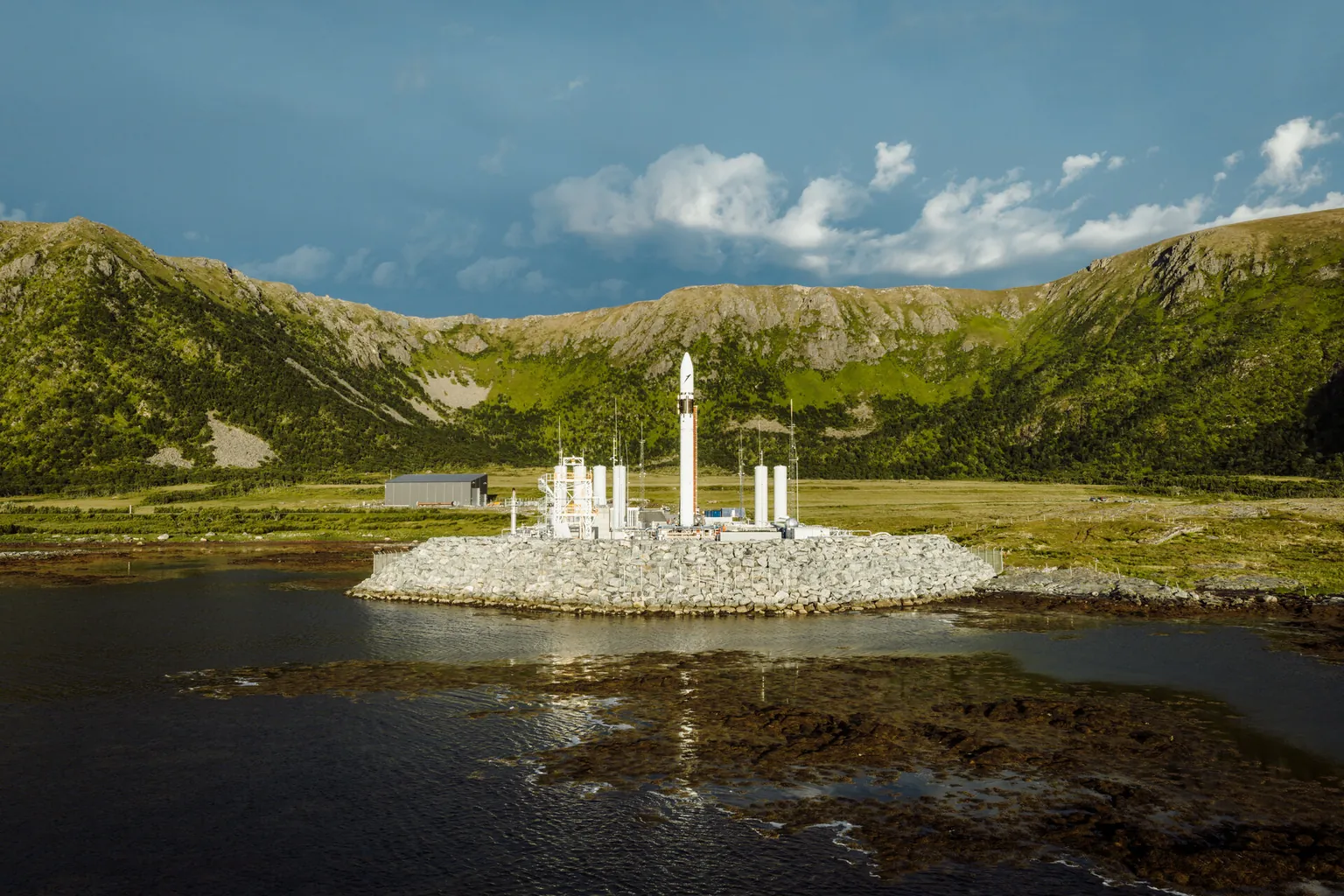
Isar Aerospace reached orbit on September 5, 2026 at 22:00 Central European Time, launching its Spectrum rocket from the Andoya Spaceport in Norway and becoming the first European commercial company to place satellites in orbit. On board were six commercial and educational cubesats, plus an experiment designed to validate new orbital technologies for European students. The mission was backed by ESA's Boost! programme, which has supported Isar Aerospace since its early incubation phase. ESA's Director of Space Transportation said: "Regardless of the outcome of this second flight, it will be another step to make the European launch services market more diverse and innovative."
Spectrum's first flight, named "Going Full Spectrum," failed on March 30, 2025 after just 30 seconds, when a vent valve opened unintentionally and caused a loss of attitude control. CEO Daniel Metzler still called the flight a success at the time, saying the company achieved "a clean liftoff, 30 seconds of flight and even got to validate our Flight Termination System." Following the investigation, Isar upgraded the rocket's attitude-control software and structural margins.
Why One Launch Does Not Erase a Dependency
Europe has depended almost entirely on SpaceX for commercial small-satellite launch to low Earth orbit, supplemented by Arianespace and non-EU providers. This success is real and it matters, but it is one flight after one failure, not a demonstrated cadence. For a business that depends on satellite services such as communications, Earth-observation data, or IoT backhaul, what actually changed today is mostly optionality on paper, not reliability in practice. Isar still has years of qualification and repeat-flight proof ahead of it before it becomes a genuine primary alternative. It is now investable and bookable as a second source, but not yet fit to replace a primary launch contract.
What This Means for EU Satellite Operators and Investors
Anyone genuinely trying to reduce single-supplier dependency risk should wait for a third successful flight and a demonstrated launch cadence before treating Isar as reliable insurance. The success fits the context of the European Launcher Challenge, an EU programme specifically aimed at diversifying away from a single provider. Isar is also part of a broader wave of European new-space companies, most of which have not yet flown their first mission.
Read next: Europe's SpaceX Alternative Raises $450 Million | EU Sovereign Satellite Deal Signals Procurement Shift