Nevada Clears Three Robotaxi Fleets For Las Vegas
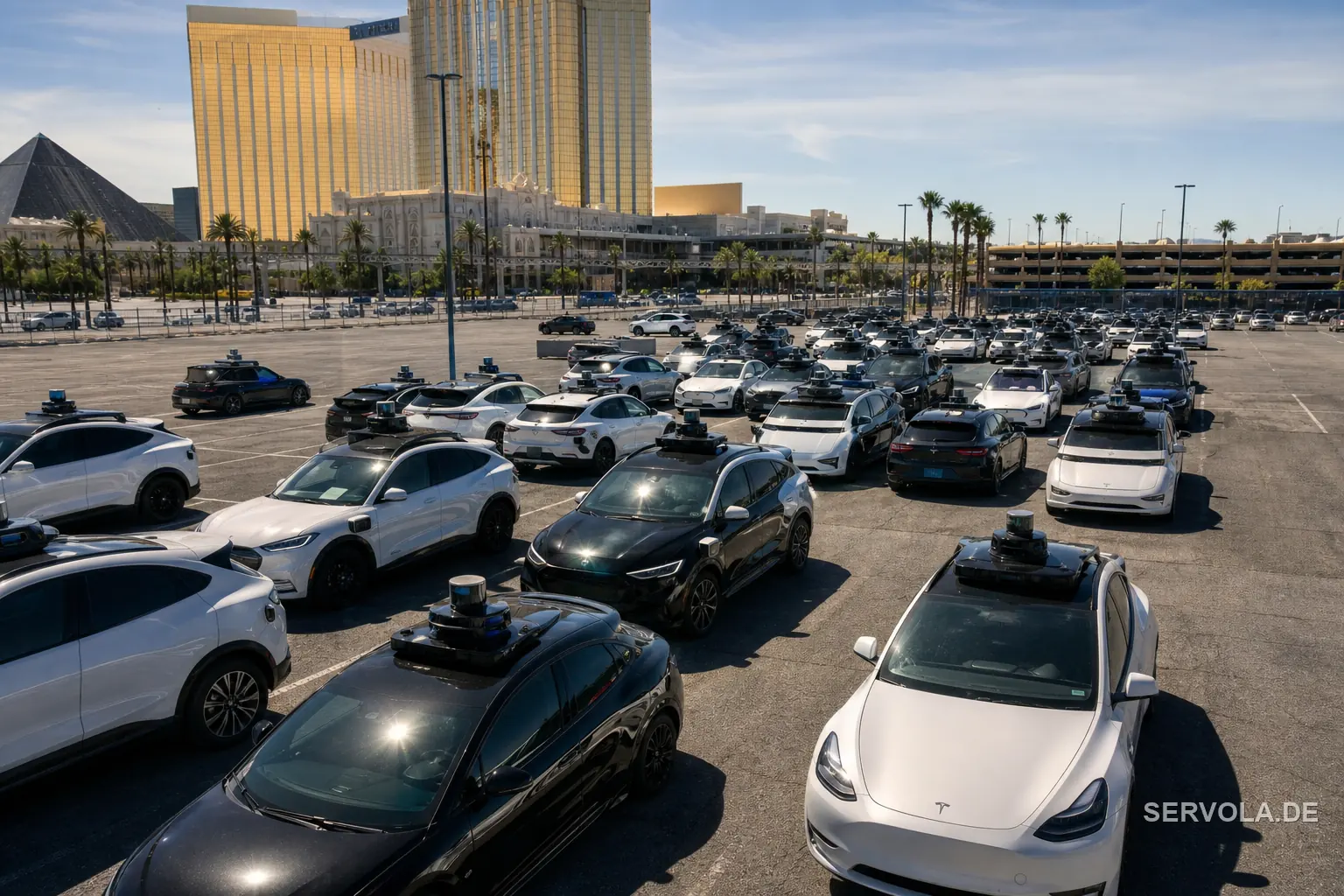
The Nevada Transportation Authority unanimously approved permits on August 20, 2026, letting Tesla, Uber, and Waymo run commercial robotaxi service across Clark County, the jurisdiction that covers Las Vegas. The authority put a combined ceiling of up to 8,000 vehicles across the three approved operators, deployable over the next 12 months, according to the regulator's own permit filings as reported by TechCrunch.
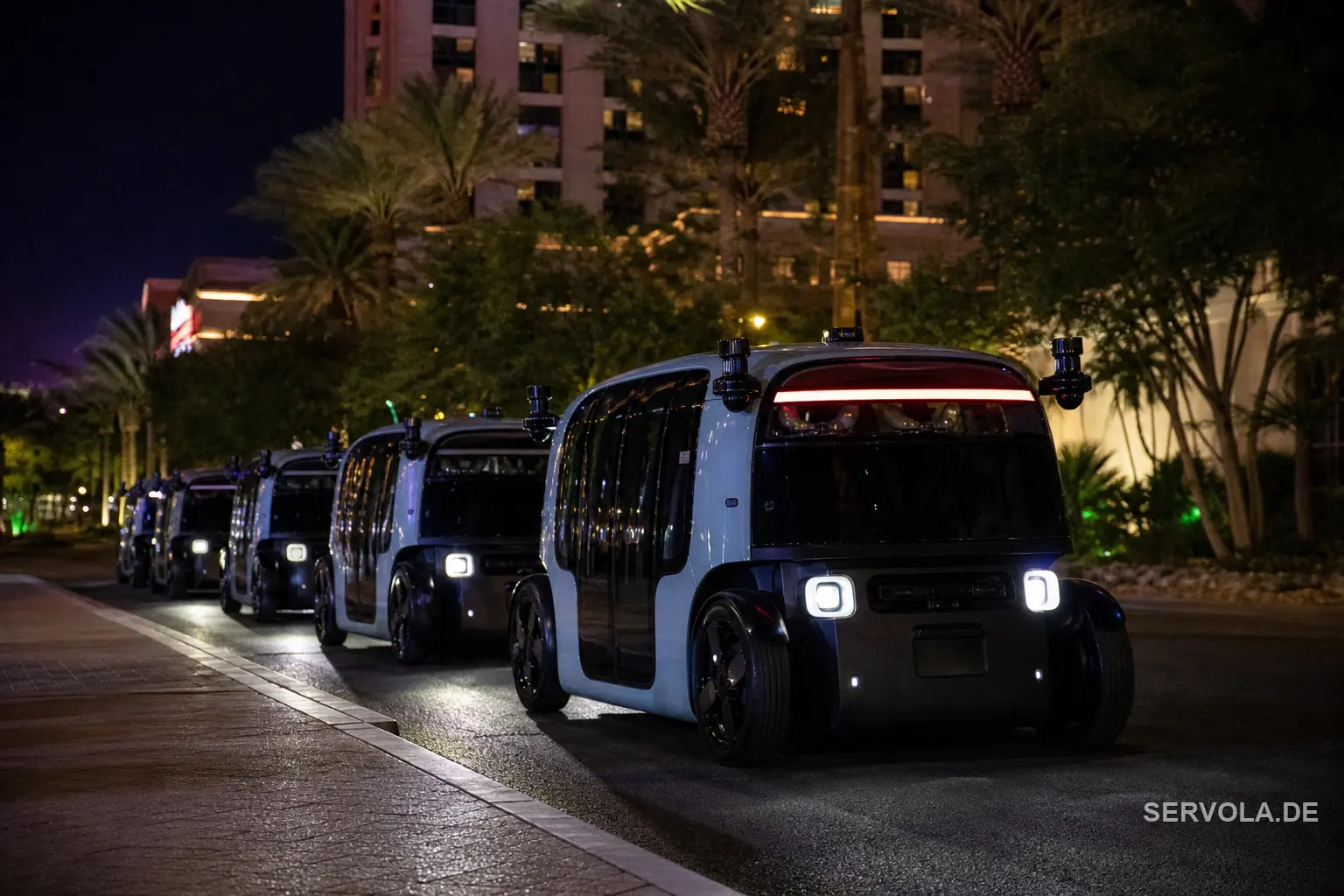
Tesla's permit allows up to 5,000 vehicles, Waymo's allows up to 1,000, and Uber's allows up to 1,000 operated through its partners Motional, the Hyundai-backed autonomous driving unit, and Zoox, the Amazon subsidiary that already runs a smaller, separately licensed fleet on the Strip. Local taxi and livery operators opposed the expansion at the hearing, arguing the market was already oversaturated and warning of added roadway crowding, TechCrunch reported.
The Permits, Operator By Operator
None of the three ceilings function as a production target. A Tesla executive testified the company would be satisfied reaching roughly 2,500 vehicles on Nevada roads within the first year, well short of its 5,000-vehicle cap, and Waymo and Uber have not disclosed their own year-one plans.
| Operator | Approved ceiling | Route to market |
|---|---|---|
| Tesla | Up to 5,000 vehicles | Own fleet, direct operator |
| Waymo | Up to 1,000 vehicles | Own fleet, direct operator |
| Uber | Up to 1,000 vehicles | Via Motional and Zoox partnerships |
| Zoox (existing permit) | Up to 100 vehicles | Amazon subsidiary, already charging fares |
The conditions attached to the first Tesla permit, granted on July 27, 2026, at a fraction of the size, offer the clearest look at what the authority actually polices: a 45 mph (about 72 km/h) speed cap, vehicles confined to a Strip-corridor geofence, a ban on Harry Reid International Airport pickups, mandatory Robotaxi markings, and a pre-trip notice to every rider that no human is driving. The jump from that 10-vehicle interim permit to a combined 8,000-vehicle ceiling took barely three weeks, evidence the authority is comfortable scaling numeric caps quickly once the underlying safety conditions are already in force.
Servola's Take: Nevada Just Wrote A Portable Rulebook
The real story is not the vehicle count, it is the shape of the regulation itself. Nevada is proving that a state can license driverless ride-hailing at meaningful commercial scale using a small set of blunt, auditable levers, namely a numeric fleet cap, a speed limit, a geofence, and an airport carve-out, rather than a bespoke technical-approval regime built from scratch.
That combination is portable in a way most AV rules are not: any US state transportation authority can copy the same four levers onto its own taxi and livery statute without new legislation, and any operator plotting a multi-state rollout, Tesla, Uber, Waymo, or a rival, now has a concrete precedent to cite when it asks the next regulator for a similar deal. Expect other states weighing robotaxi rules this year to reference Nevada's numbers, not just its willingness to say yes.
How London And Berlin Handle The Same Question
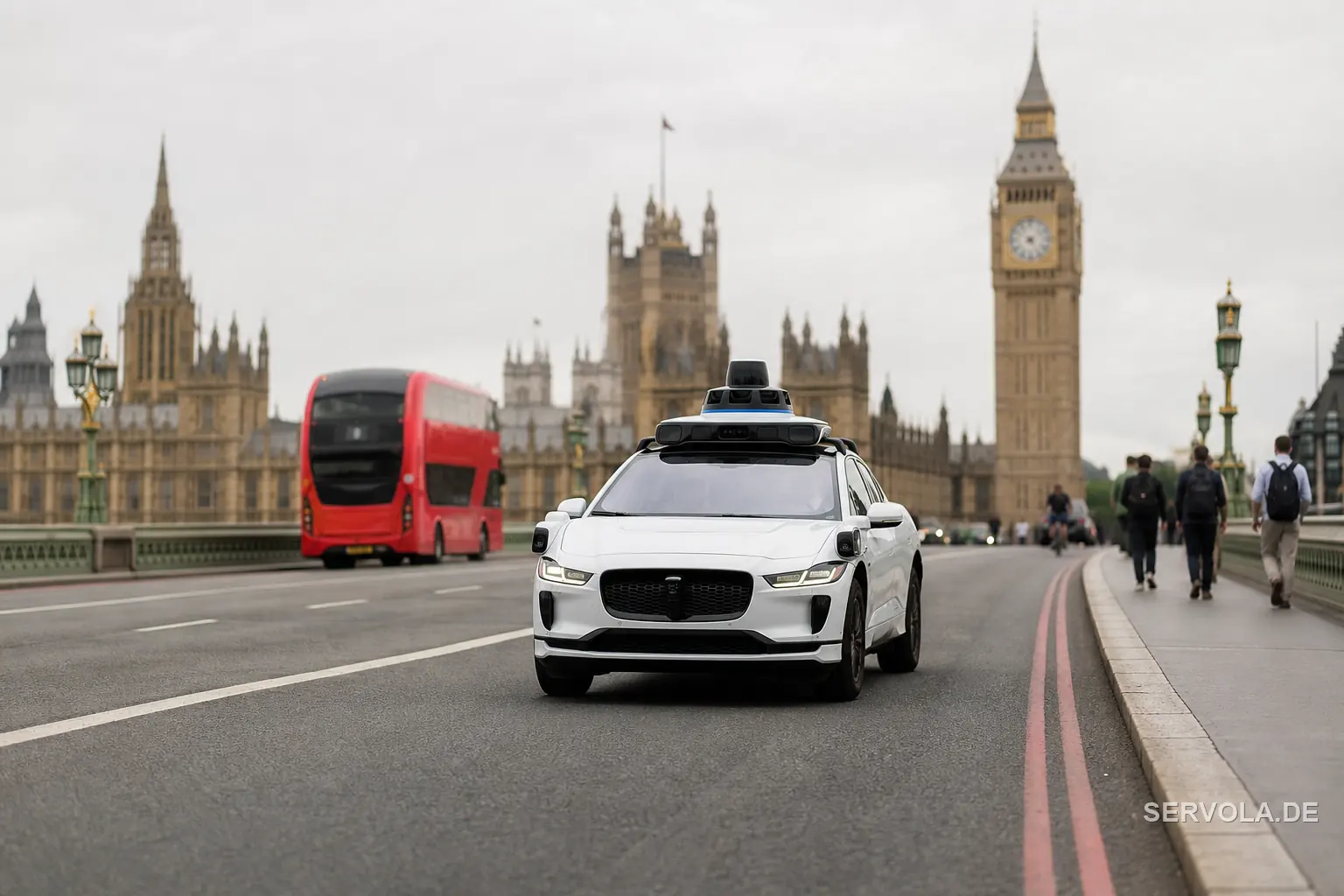
London took a different route. Transport for London licensed Wayve and Uber in early August 2026 to run a small fleet of electric vehicles as supervised robotaxis, but the licence still requires a TfL-licensed safety driver on board at all times; going fully driverless there requires a separate Automated Passenger Services permit from the UK's Driver and Vehicle Standards Agency, a second regulatory step Nevada's operators never had to clear.
Germany runs a third model again: its federal Autonomous Driving Act lets Level 4 vehicles operate without an onboard driver, but only after the manufacturer secures a type-approval from the Federal Motor Transport Authority (Kraftfahrtbundesamt) and separate state-level approval for a defined operating area, with a remote Technical Supervisor able to stop the vehicle at any time. Compared with both, Nevada's model is faster to grant and cheaper to police, trading that speed for a hard numeric ceiling and a geofence instead of Britain's onboard driver or Germany's remote supervisor.
Read next: London Just Approved Its First Robotaxis, Supervised | Waymo Built Its Own Chip to Stop Paying Nvidia