What OpenAI, Nvidia and SB Energy actually announced
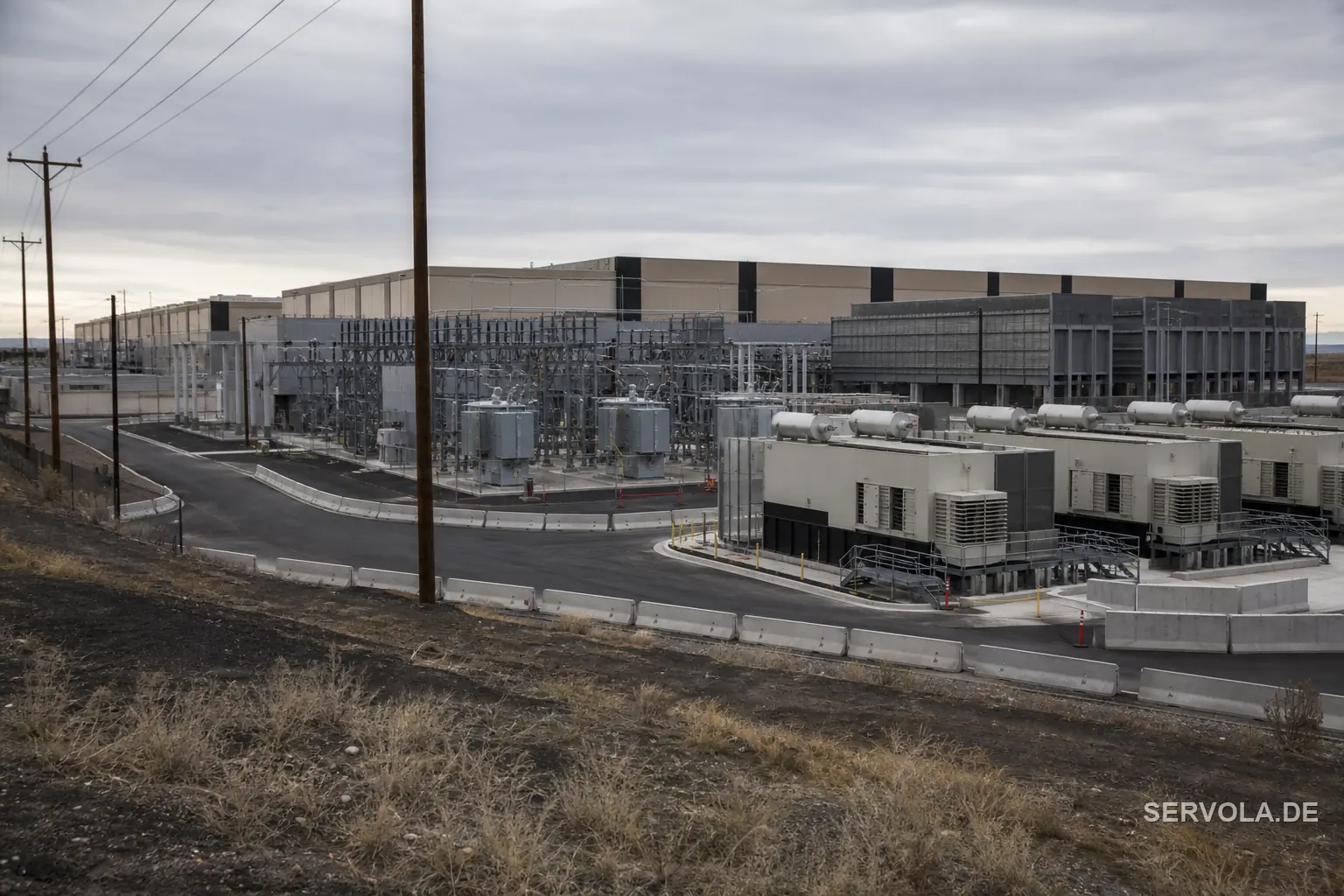
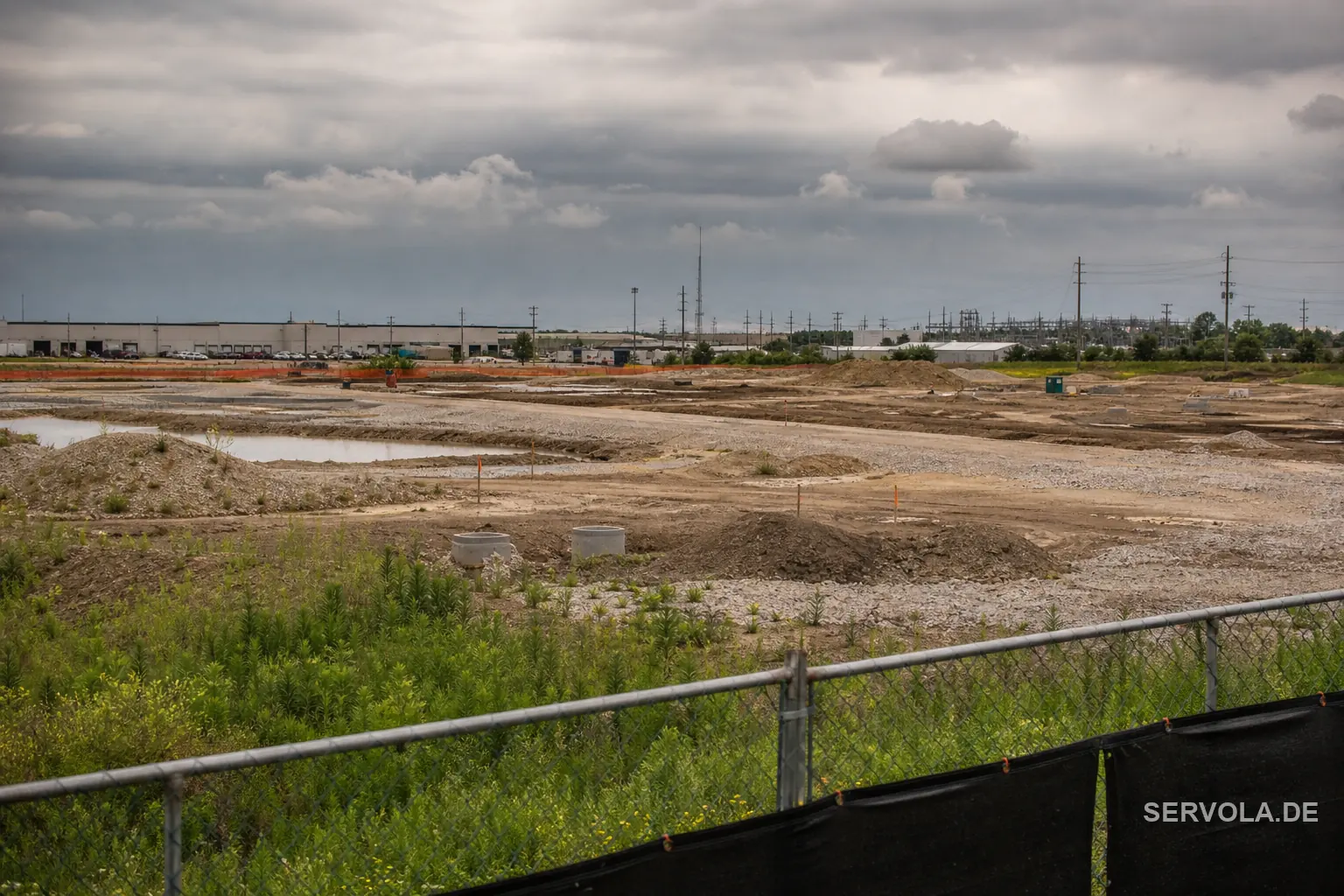
Pike County, Ohio last powered American industry a century ago around a uranium enrichment plant; it is next in line to power AI. OpenAI confirmed it has signed a 20-year lease to use capacity at the PORTS-Pike Technology Campus, a site SB Energy - the SoftBank-owned developer - will build, own and operate, with the US Department of Energy as a named partner on the site. Nvidia's own announcement puts numbers on the deal: an initial 4.25 gigawatts of IT capacity, a campus designed to scale to 8 gigawatts total, and Nvidia as the exclusive chip supplier for the entire site. To make that lease financeable, Nvidia is guaranteeing up to $105 billion in lease obligations covering that first 4.25 gigawatts, with an option - at Nvidia's discretion, not a commitment - to extend similar backing to the remaining 3.75 gigawatts. Nvidia is separately investing $1.5 billion directly into SB Energy. "AI is becoming infrastructure - the foundation for intelligence in every industry - and land, power and shell have become vital in the age of AI," Nvidia founder and CEO Jensen Huang said in the announcement. The first phase, 800 megawatts, is targeted to come online in 2028; the full 8-gigawatt campus is expected to take through 2032 to build out.
The part that matters more than the number: who pays for the grid
Here is the detail buried under the headline figure. SB Energy and SoftBank are contractually committing to build at least 10 gigawatts of new energy generation and invest at least $4.2 billion in new regional grid infrastructure, arranged through a specific partnership with the local utility, AEP Ohio - and the stated design is that those upgrade costs do not get passed through to Ohio ratepayers or the wider region. That single commitment answers the question that has stalled or soured almost every other gigawatt-scale data center proposal in the US and Europe over the past two years: who pays when a single tenant needs as much new capacity as a mid-size country's grid. The answer here, on paper, is the developer, not the public. A community benefits fund of $80 million, with OpenAI adding another $40 million over time, plus a stated 35,000 construction jobs during the six-year buildout and 2,500 permanent operating jobs, rounds out the package aimed at winning local and regulatory support before a single turbine turns.
Why a Pike County lease is relevant reading in Brussels and London
Yes, but the interesting move here is not that Ohio landed a data center - it is the contract structure Ohio's regulators and utility now have on record. National Grid ESO in the UK and multiple German and Dutch grid operators are already fighting the same fight: connection queues stretching years, and open disputes over whether existing ratepayers should subsidize the grid upgrades a hyperscaler's gigawatt-scale campus requires. Every EU or UK utility, regulator, or industrial-site developer negotiating a similar AI-campus connection now has a named, dollar-figured precedent to cite in that negotiation: SB Energy pays for its own grid impact, in writing, with AEP Ohio as the counterparty. It does not obligate EU regulators to anything, but it removes the excuse that nobody has actually structured a deal this way from the other side of the table. The second thing worth separating out: Nvidia's $105 billion is a guarantee, not a cash outlay, meaning it shows up as a contingent liability rather than a balance-sheet expense until and unless OpenAI cannot pay its own lease. That is a materially different risk than Nvidia writing a check, and it is the same category of off-balance-sheet AI financing structure that has drawn scrutiny elsewhere in the industry this year - a pattern worth watching across every hyperscaler deal, not just this one.
What to actually put on a calendar
Three dates and one document. First, 2028, when the initial 800 megawatts is due online - the first real test of whether the construction timeline holds. Second, 2032, the target for the full 8-gigawatt build, a six-year window in which 35,000 construction jobs are supposed to materialize. Third, watch Nvidia's next few quarterly filings for how it discloses and sizes the $105 billion guarantee as a contingent liability - that is the figure analysts and counterparties will track for early signs of stress in OpenAI's ability to pay. And the document: the AEP Ohio arrangement itself is now a public reference point, worth pulling if your organization is on either side of a grid-connection negotiation for large compute or industrial load anywhere in Europe. You do not need to predict whether Ohio's ratepayer-protection promise holds for six years to find the structure useful today - you need the citation.
Read next: Nvidia's $250bn OpenAI Guarantee Fell To $120bn | America's Data Centers Just Traded Flexibility for a Faster Grid Slot