A Phone Launch Turns Into A Warning
Shakil Barkat, Google's Vice President of Devices and Services, did not hedge when 9to5Google asked him about Pixel 11 pricing in an interview published on 24 July 2026. There's never been an increase in memory prices like the world's going through right now, he said, confirming what industry watchers had suspected for months: the Pixel 11 series would cost more than the Pixel 10 did.
That warning has now been made concrete. At its Made by Google event on 12 August 2026 in New York, Google confirmed the Pixel 11 range starts at 899 US dollars and 879 British pounds, with the Pixel 11 Pro priced at 1,079 pounds, exactly the increase Barkat had signalled weeks earlier. This is the first time a major consumer electronics maker has put a public, dated figure on the memory price shock and then delivered on it at retail, not just in a warning to the press.
The RAM Math Behind The Price Rise
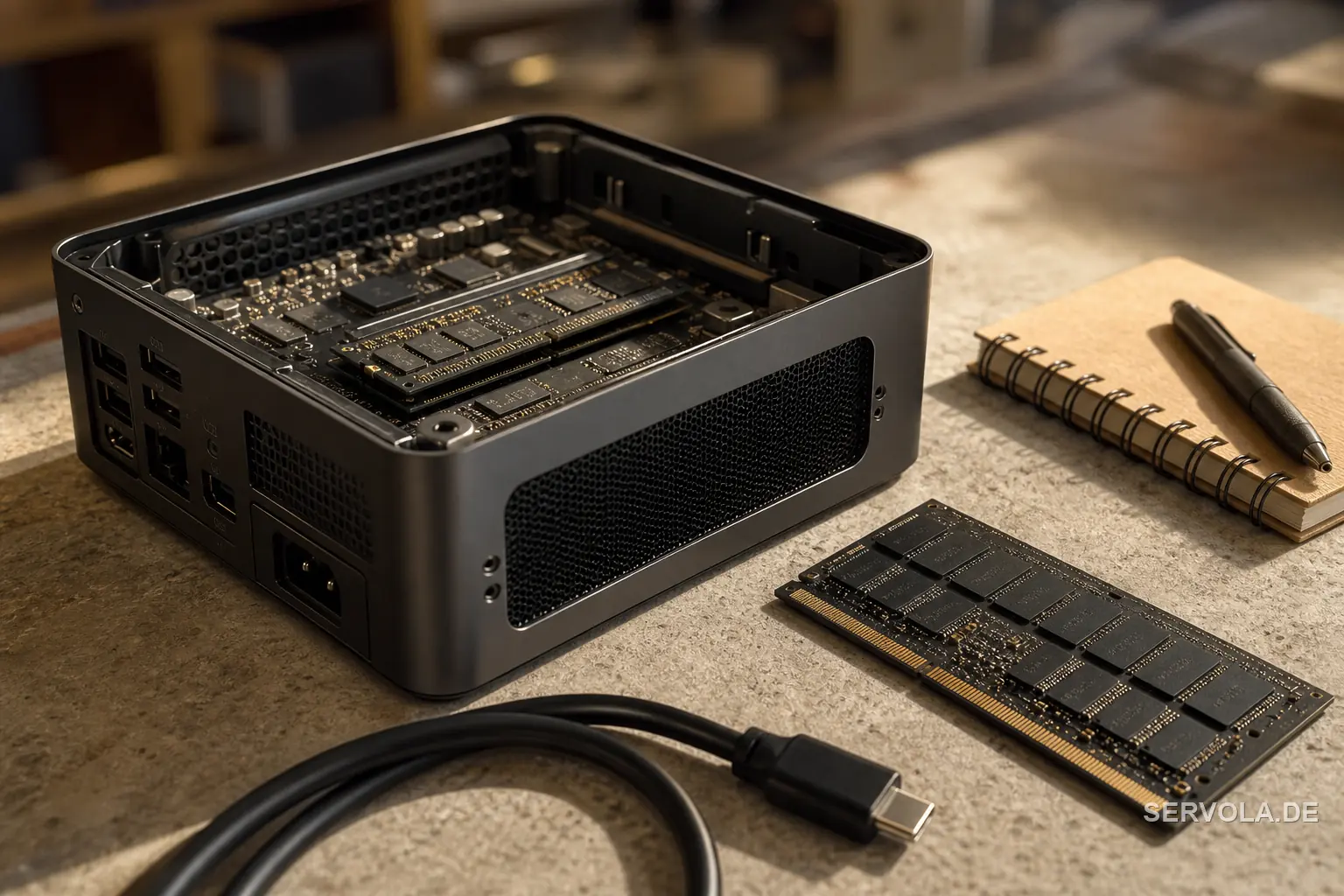
The number driving the increase is memory, specifically LPDDR5X RAM, the type used in most flagship phones. Morgan Stanley data cited in the same reporting shows the price of 1GB of LPDDR5X rose from about 2.80 US dollars in 2025 to roughly 12 US dollars in 2026, a jump of more than four times in a single year.
Run that through a typical flagship configuration and a 16GB memory package that cost a manufacturer around 45 US dollars in 2025 now costs roughly 192 US dollars. On some devices, the RAM alone can now cost more per unit than it used to add to the entire bill of materials for that component category.
What Was A Leak Is Now A Confirmed Price
Google confirmed full Pixel 11 pricing at the event. The base Pixel 11 costs 899 dollars and 879 pounds, the Pixel 11 Pro costs 1,099 dollars and 1,079 pounds, the Pixel 11 Pro XL costs 1,299 dollars and 1,279 pounds, and the foldable Pixel 11 Pro Fold costs 1,899 dollars and 1,799 pounds. Pre-orders opened the same day, and wide availability is confirmed for 20 August 2026. Google also confirmed the promotions and trade-in offers it had signalled would soften the increase for buyers.
Two details that were still unconfirmed in early August have landed too. The 128GB storage tier is gone entirely, with 256GB the new entry point across every Pixel 11 model, and the entry Pixel 11 Pro and Pro XL configuration ships with 12GB of RAM rather than the Pixel 10 Pro's 16GB, with 16GB reserved for the 512GB and 1TB tiers. Early post-announcement reporting puts EU pricing around 999 euros for the Pixel 11 and 1,199 euros for the Pixel 11 Pro, which lines up with the confirmed 80 pound UK increase and the roughly 100 euro premium over the Pixel 10 Pro that leaks had estimated weeks before the event.
Why This Is Bigger Than One Phone
The RAM going into Pixel 11 units is the same category of memory that AI datacentre operators are buying by the wafer to build out training and inference capacity. Consumer electronics manufacturers are now competing directly with hyperscalers for that supply, and on current pricing, they are losing that fight on cost.
That is the real story here. Any EU or UK organisation planning a 2026 or 2027 device refresh, phones, laptops, or workstations, should expect this same memory cost pressure to show up across vendors, not just at Google. Pixel 11 pricing is simply the first clearly dated, clearly quantified data point that the shortage has reached consumer shelves, and it has now been confirmed rather than merely predicted.
What EU And UK Buyers Should Do Now
Timing still matters, but the calculus has changed now that prices are official. Buyers comparing a confirmed 1,079 pound Pixel 11 Pro against the 999 pounds a Pixel 10 Pro launched at last year are looking at a real 80 pound increase, not a rumoured one, and Google's promotions and trade-in offers are now live alongside pre-orders rather than promised for later. Waiting for a discount is now a concrete trade against paying the confirmed full price at launch, not a bet on numbers that had not yet been set.
Spec sheets deserve closer reading than model names, and that is now provable rather than a warning. The confirmed drop from 16GB to 12GB RAM on entry Pixel 11 Pro and Pro XL units, alongside the confirmed removal of the 128GB base storage tier, shows exactly how vendors will try to absorb this cost by trimming specification rather than only raising the sticker price. A Pro or flagship label in 2026 and 2027 will not automatically mean the same memory and storage a buyer got in the previous generation, so procurement teams should compare configurations line by line rather than assuming continuity.
Read next: Apple Just Priced the Budget Mac Out of Existence | Your Vision Insurance May Now Cover Hearing Aids