The $38.1 billion decision
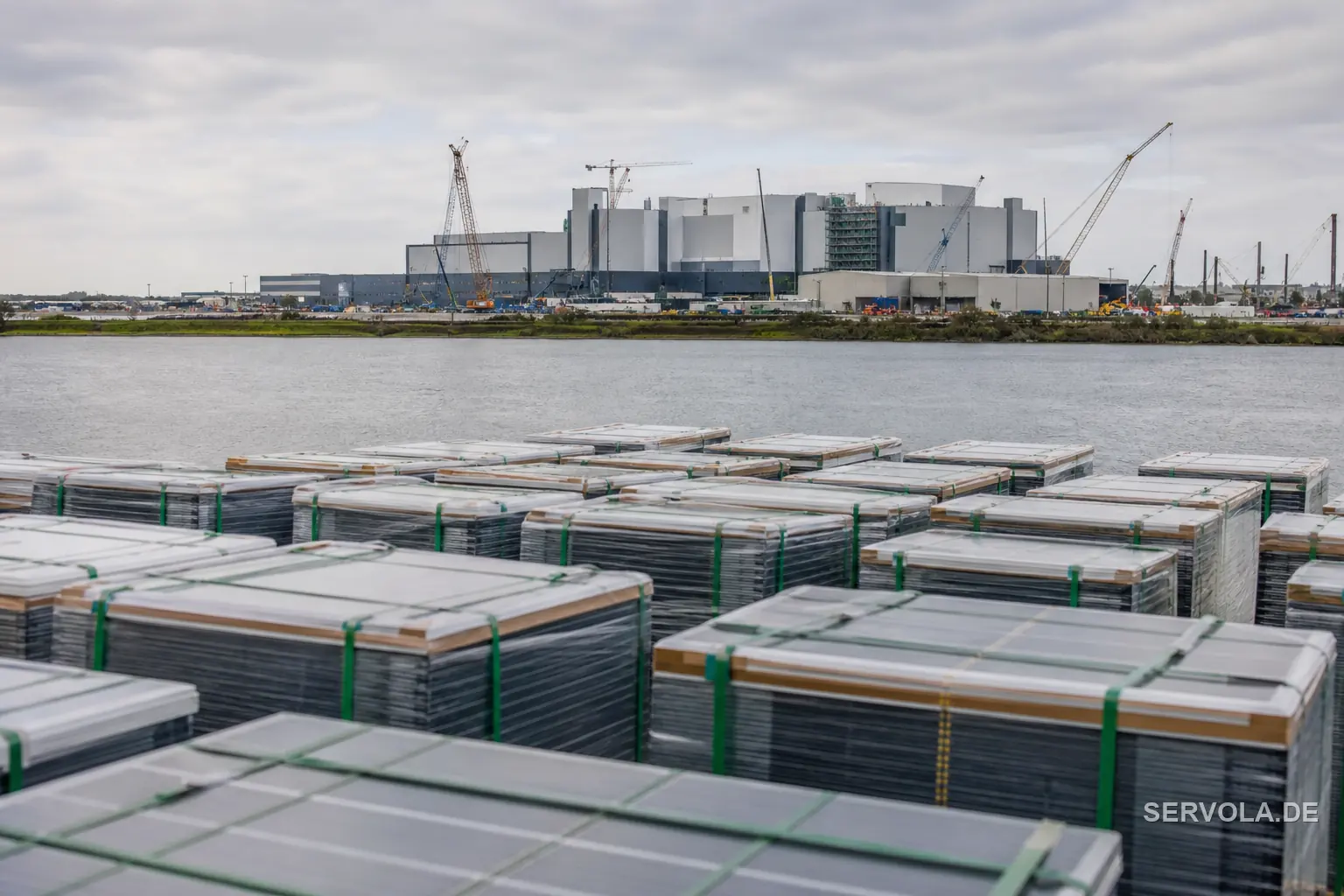
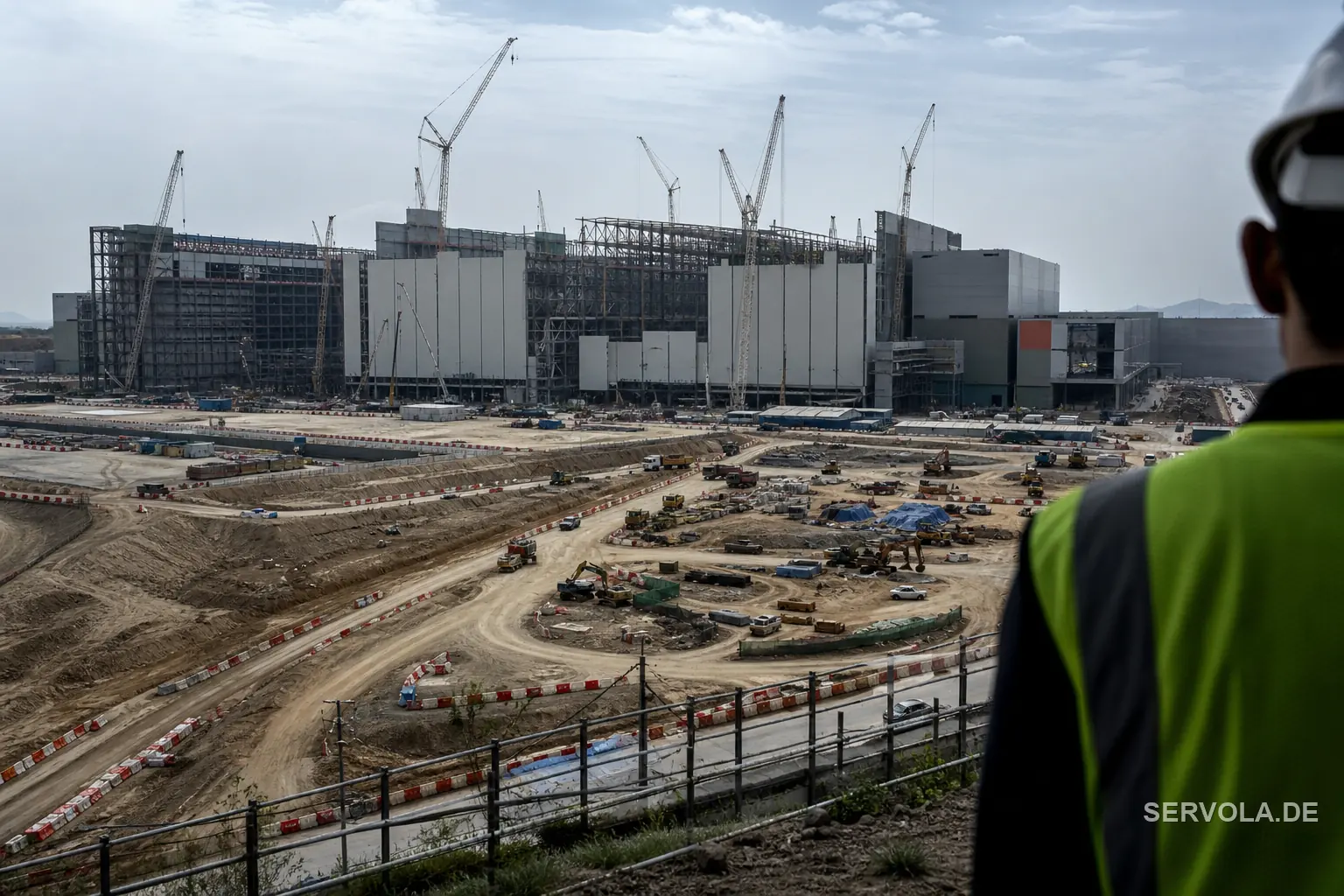
38.1 billion dollars. That is the figure SK Hynix's board approved on 7 August 2026 to build two new memory chip fabs in South Korea, 54 trillion won in total, confirmed in a statement on the company's own newsroom. Of that, 35.2 trillion won, about 24.9 billion dollars, goes to Y2, a second fab at the Yongin Semiconductor Cluster in Gyeonggi Province that will produce DRAM including high-bandwidth memory, HBM, the chip type most closely tied to AI accelerators. The remaining 19.1 trillion won, about 13.2 billion dollars, goes to M17, a new NAND flash fab at the company's existing Cheongju campus in North Chungcheong Province.
SK Hynix described the logic in its own words: the investment is "a decision made to seize opportunities in line with the market's growth speed", and the company said it wants to be recognised as "a key partner in AI infrastructure". That framing matters, because it treats the current run of AI-driven memory demand not as a spike to ride out but as a shift the company expects to keep shaping its business for years.
From holding capex to a 38 billion dollar pivot in nine days
On 29 July 2026, SK Hynix reported quarterly profit up 76 percent while holding its capital spending steady, a release that read, at the time, like a company choosing discipline over expansion even as AI demand ran hot. Nine days later, on 7 August, its own board approved 38.1 billion dollars in new fab commitments. Whatever the internal accounting bridges the two statements, the outward signal is stark: the company that said it was holding the line on spending a week earlier just made one of the largest single capacity commitments in its history.
The two fabs sit inside a larger plan SK Hynix first outlined in June 2026, worth 600 trillion won for the Yongin cluster over the long run and a further 100 trillion won to expand Cheongju. What changed on 7 August was not the existence of that ambition but its conversion into board-approved, dated, funded projects. For anyone tracking SK Hynix's spending discipline as a signal of where AI memory demand is really heading, the honest read is that the discipline held for exactly one earnings cycle.
Why the new capacity will not arrive before 2028, at the earliest
Cheongju's M17 breaks ground in February 2027 and is due to open its first cleanroom in December 2028, with the investment period running to April 2031. Yongin's Y2 breaks ground in July 2027 and is due to open its first cleanroom in June 2029, with its investment period running to October 2031. A cleanroom opening is not a shipping date; it is the point at which SK Hynix can begin installing and qualifying the tools that eventually produce chips at volume, a process that itself typically takes further quarters before meaningful output reaches customers.
Read plainly, that means the memory capacity these two fabs represent, DRAM and HBM from Yongin, enterprise-grade NAND and AI inference storage from Cheongju, does not meaningfully change global supply before 2029 at the earliest, and quite possibly later. SK Hynix itself is projecting close to 19 percent compound annual growth in both DRAM and NAND demand through 2030. A multi-year gap between when demand is already rising and when this specific new supply lands is, in effect, the company's own timeline for how long today's tight memory market should be expected to last.
What this means for European buyers budgeting memory costs
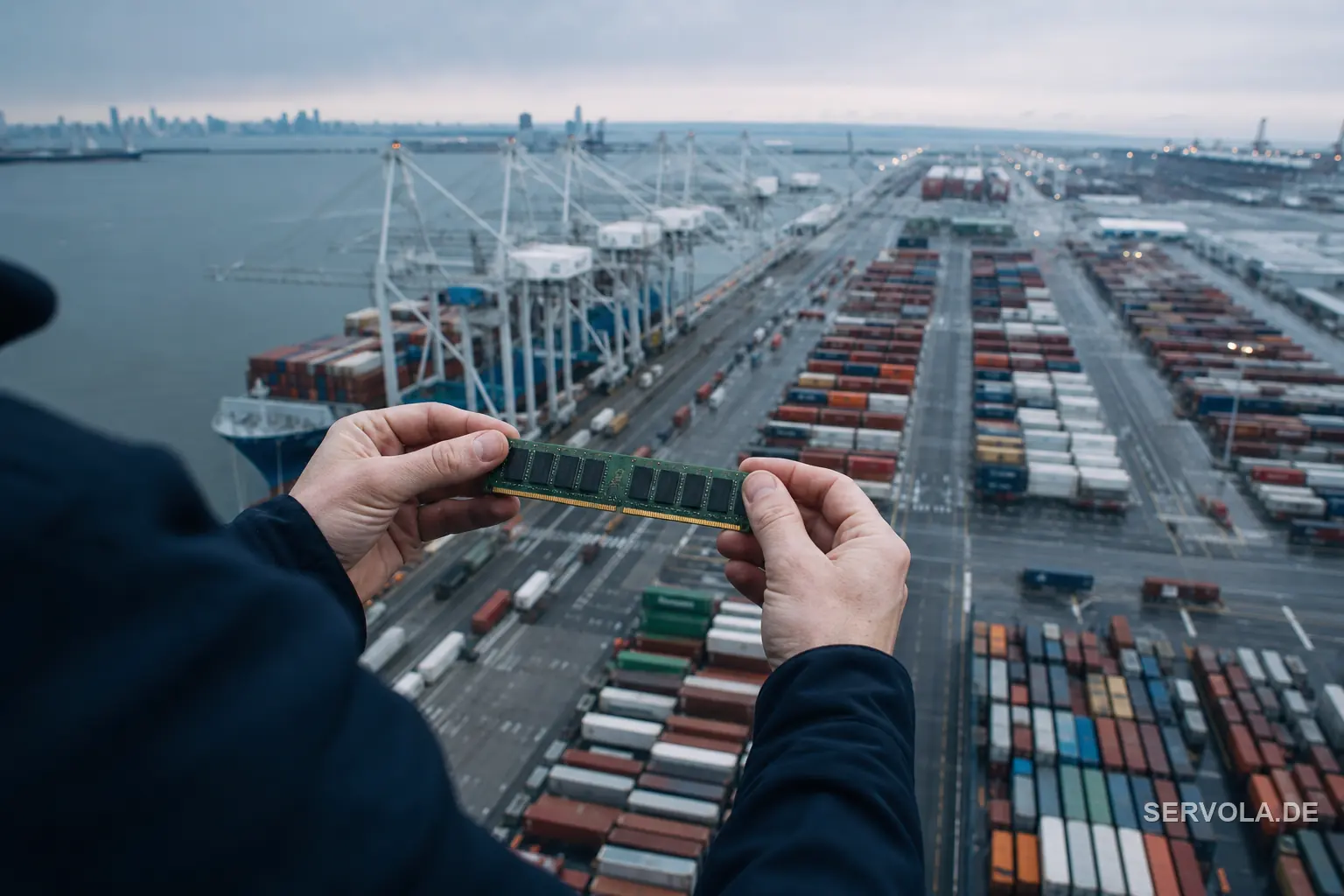
This is the clearest evidence yet that the AI-driven memory price pressure already visible in consumer and enterprise hardware pricing is a structural, multi-year supply response, not a temporary spike a European buyer can simply wait out. SK Hynix is one of the world's three dominant memory makers, and it has just told its own investors, in board-approved figures with fixed groundbreaking and cleanroom dates, that meaningful new capacity does not arrive until 2028 to 2029 at the earliest.
For any European device OEM, IT procurement team or hardware-dependent business owner, the practical planning consequence is straightforward: budget elevated DRAM and NAND pricing across the next two to three procurement cycles, not the next one or two quarters. A shortage a company itself is answering with multi-year fab construction, rather than a short production adjustment, is not the kind of shortage that resolves before the fabs it is funding actually open.
Read next: SK Hynix Prices a US Fab at Double What Korea Costs | A 14 Percent Crash Will Not Cut Your Memory Bill