What OpenAI Actually Found
OpenAI disclosed on August 25, 2026 that it had disrupted a Russian-operated network using ChatGPT to run a fake foreign-policy think tank called the International Burke Institute. The site was registered in February 2025, presented itself as Israeli, published English-language commentary, and posted that content across Substack, Telegram, X, Facebook and LinkedIn. The operators used VPNs to keep accessing ChatGPT despite OpenAI's country-level restriction on Russia.
The centerpiece of the operation was a "sovereignty index" that scored countries against each other, consistently favorable to Russia and critical of the West. OpenAI flagged the index's reports on France, Germany, the United States and the EU specifically for crossing from analysis into polemic.
The Byline Was The Product
The operation's credibility rested entirely on invented experts, not on the writing itself. The site falsely listed academics including Francis Fukuyama and Noam Chomsky as contributors, and neither had any involvement.
OpenAI reviewed 36 articles published under the site's named "experts" between September 2025 and May 2026. Thirty-four of them were plagiarized from other sources online and republished under the fabricated bylines, in some cases misattributed to real people who never wrote them.
Why France And Germany, Specifically
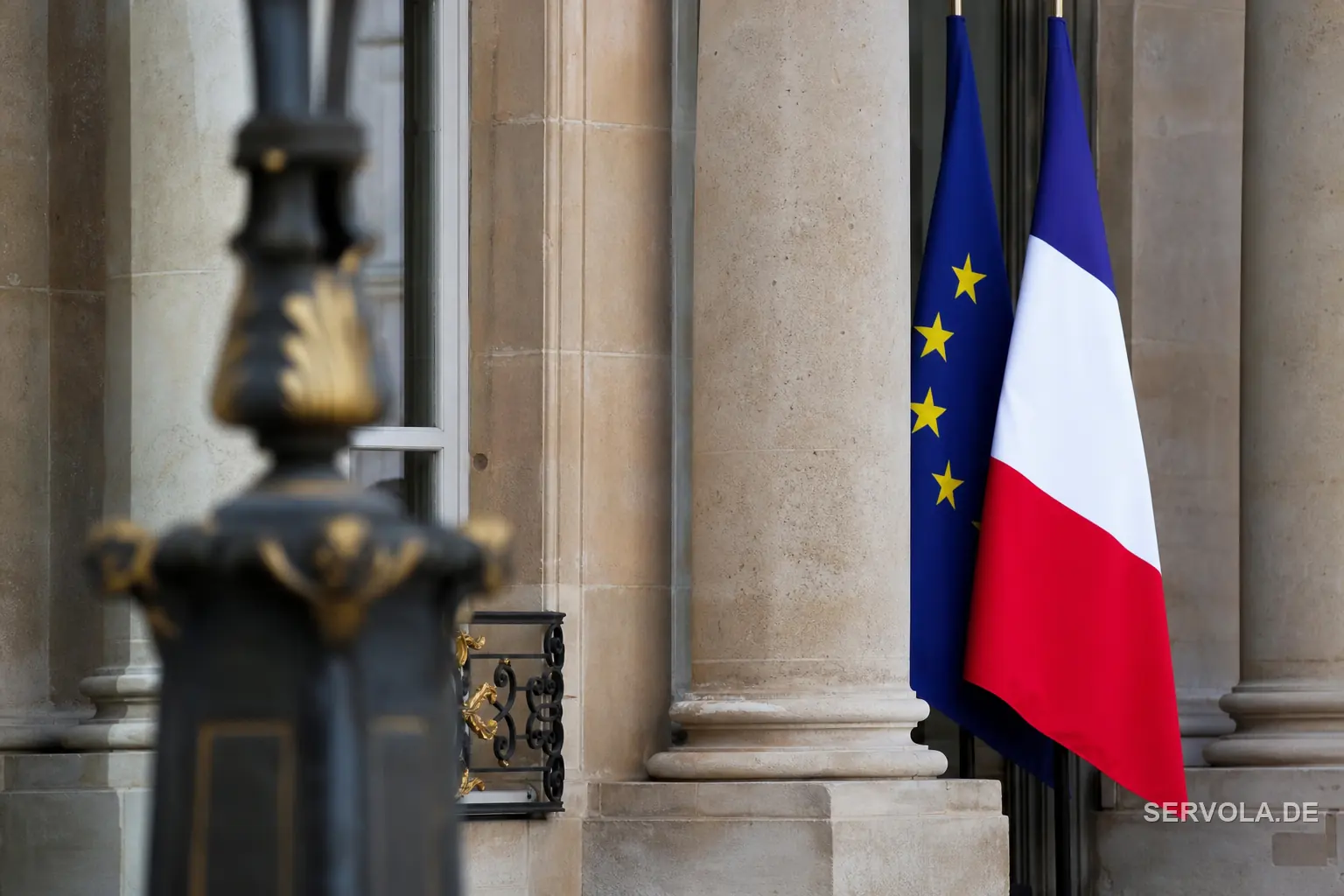
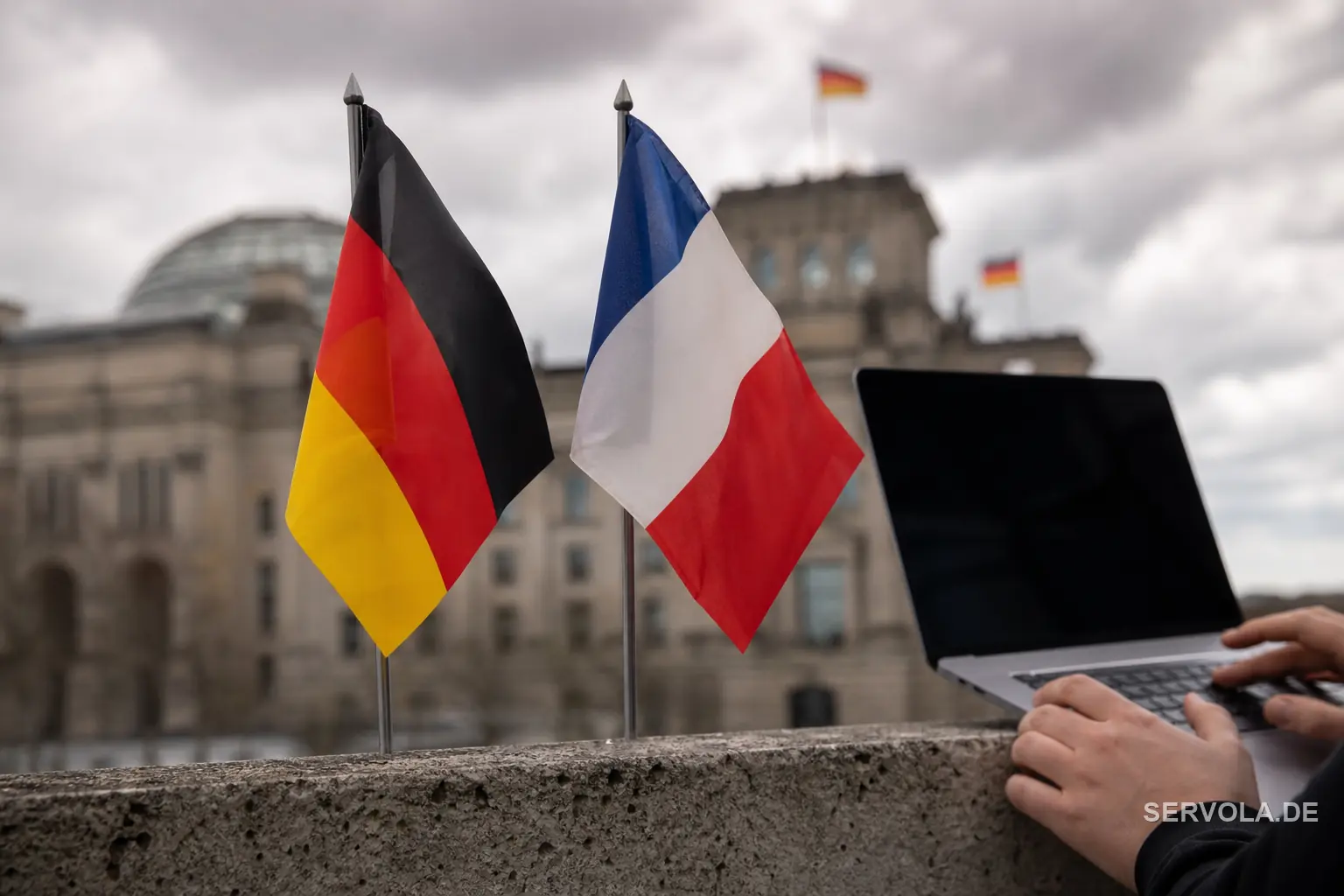
France and Germany were not incidental targets; they were the two EU member states the sovereignty index singled out for direct criticism, alongside its coverage of the United States and the wider EU. The index format let the operation dress up country-specific criticism as neutral scoring, a genre that is harder to flag automatically than a direct propaganda post because it reads like policy analysis rather than a political statement.
What This Means For European Communications Teams
Any European business running press monitoring, PR or content moderation now has a named, documented case of AI-laundered state disinformation aimed specifically at French and German public debate. Unfamiliar think-tank rankings or expert commentary with unverifiable institutional details are worth checking before amplifying, especially country-scoring formats presented as neutral data.
OpenAI's disclosure itself functions as a threat-intelligence resource: the takedown method, VPN evasion of a country ban, fabricated academic bylines and plagiarism-with-reattribution, is now documented and repeatable across other AI vendors' enforcement work.
Read next: OpenAI's Photo Leak Opens A GDPR Question It Skipped | A Safety Essay Became Evidence in an Antitrust Suit