What the Fact Sheet Actually Says
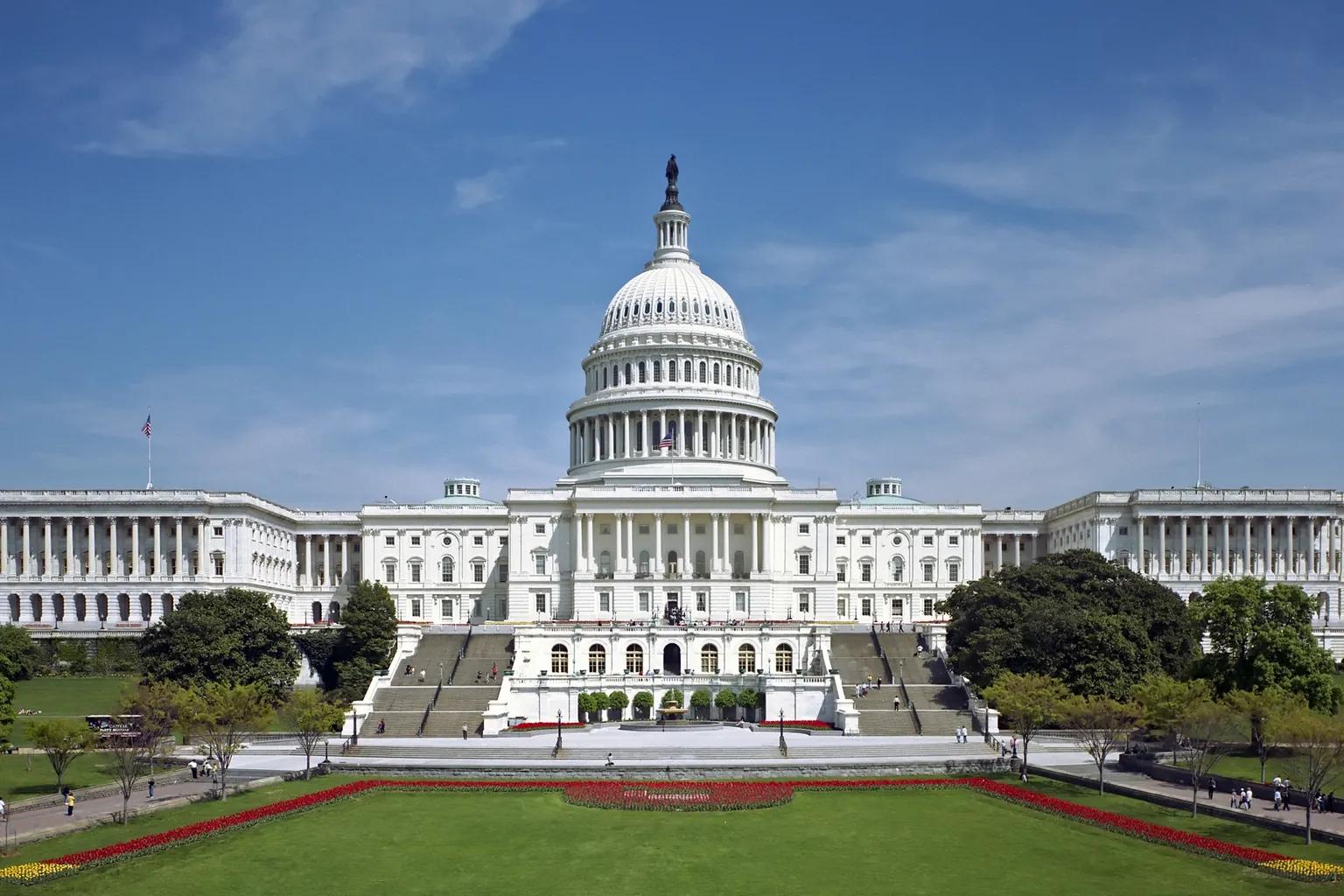
The White House confirmed on September 25 that the United States and China had agreed to a bilateral communication channel for AI incidents, alongside a recurring US-China Super Intelligence Dialogue, following Xi Jinping's state visit to Washington. The first session of that dialogue is scheduled for November 2026.
The fact sheet also records a second, unrelated agreement from the same summit: the two countries' trade bodies reached consensus on preferential tariff treatment for roughly 30 billion dollars of non-sensitive goods flowing in each direction, covering agricultural products, consumer electronics and industrial materials. Both items sit in the same document, but only one of them comes with a number attached.
The Proposal It Resembles
Nine days earlier, on September 17, Brookings researcher Melanie Sisson and Fudan University's Tianjiao Jiang published a specific plan built for this exact meeting. They asked for two things: an extension of the human-control rule that already governs nuclear launch decisions to cover AI-enabled cyberattacks on nuclear command systems, and a dedicated US-China military hotline for AI-triggered incidents, built on existing defense communication channels.
Their proposal was explicitly framed as an extension of a narrower agreement Joe Biden and Xi Jinping reached in November 2024, and it was timed to land on policymakers' desks before the September 24 meeting, not as a replacement for one. At the time neither government had endorsed it, and the authors themselves warned that AI-enabled cyberattacks can outrun any human decision cycle a hotline is built to interrupt.
What Got Left Out
The version that shipped keeps the shape of that proposal and drops its substance. The fact sheet establishes a channel for SI incidents but never defines what counts as one. Axios, reporting the same day, noted that the scope of a reportable incident, the notification protocol between the two capitals and any way to verify either side is complying all remain unstated. There is no mention of nuclear command systems specifically, and no human-control commitment appears in the public text.
| Date | Event |
|---|---|
| November 2024 | Biden and Xi agree that humans, not AI, retain control of nuclear launch decisions |
| September 17, 2026 | Brookings and Fudan researchers propose extending that rule to cyberattacks on nuclear command systems, plus a dedicated hotline |
| September 25, 2026 | Trump and Xi's summit creates an SI dialogue and incident channel; no rules text is published |
| November 2026 | First scheduled session of the US-China Super Intelligence Dialogue |
One change made it into the final text that was never part of the research proposal: both sides agreed to describe the technology as super intelligence rather than artificial intelligence, a term the White House has favored for months. It is a labeling decision, not an operational one, and it carries no separate technical definition.
What This Means If You Operate Across Both Markets
A channel existing is not the same as a rule existing. This agreement gives officials in Washington and Beijing a number to call if something goes wrong with an AI system; it does not create a reporting obligation, a compliance standard or a legal constraint for any private lab or company operating in either market. Anthropic, OpenAI and every Chinese frontier lab continue to operate under the same rules on September 26 that applied on September 24.
The date worth marking on a calendar is November 2026, when the first Super Intelligence Dialogue session is due. That is where the definitions the fact sheet skipped would have to appear, if they appear at all. Until then, the hotline is real and the rules it was supposed to carry are still nine days behind it, exactly where they were when Sisson and Jiang published them.
Read next: The Pentagon Lost One Anthropic Case and Won the Next | A King Asked AI's Leaders for Reassurance, Not Rules