The shortage moved from the data center to the shelf
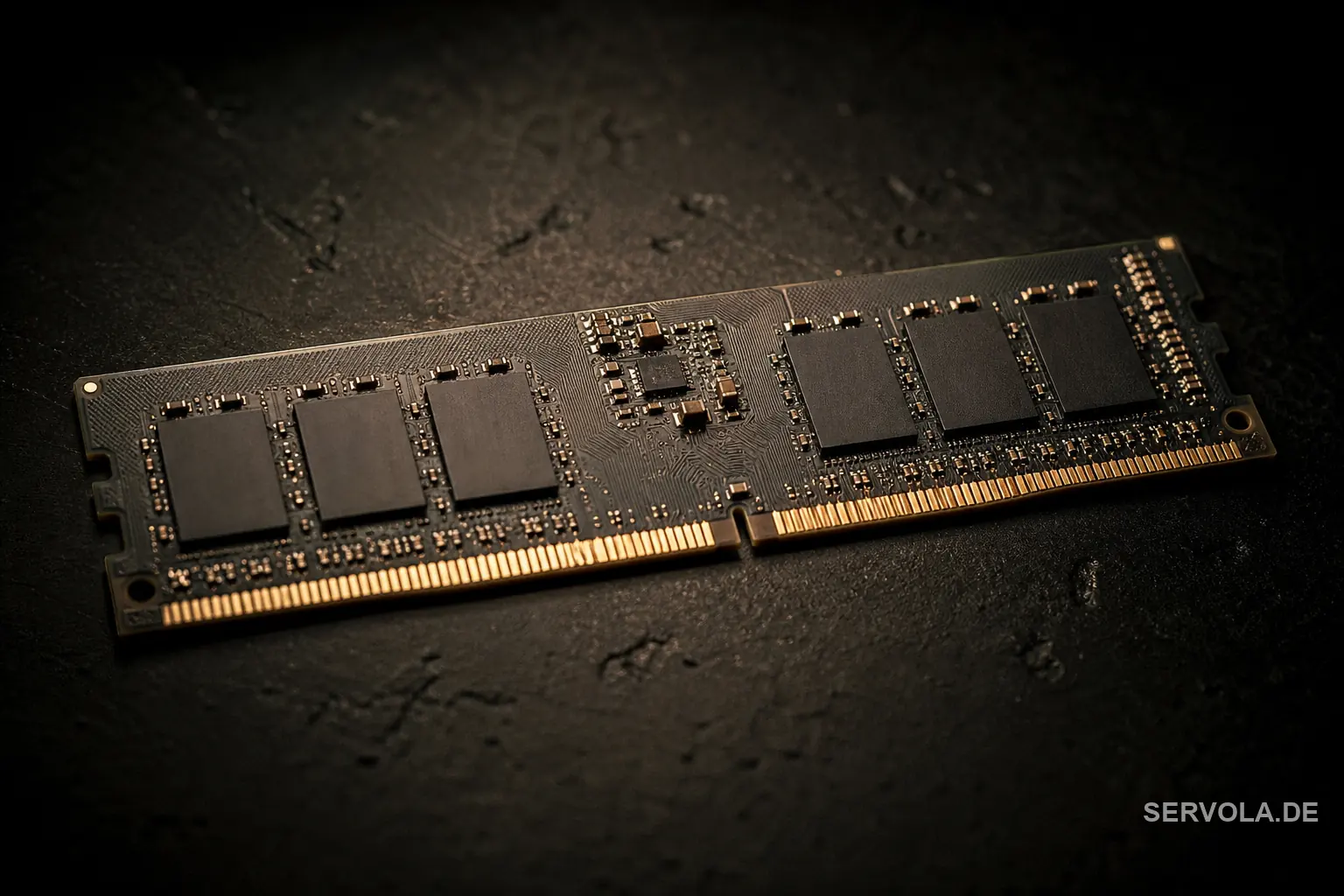
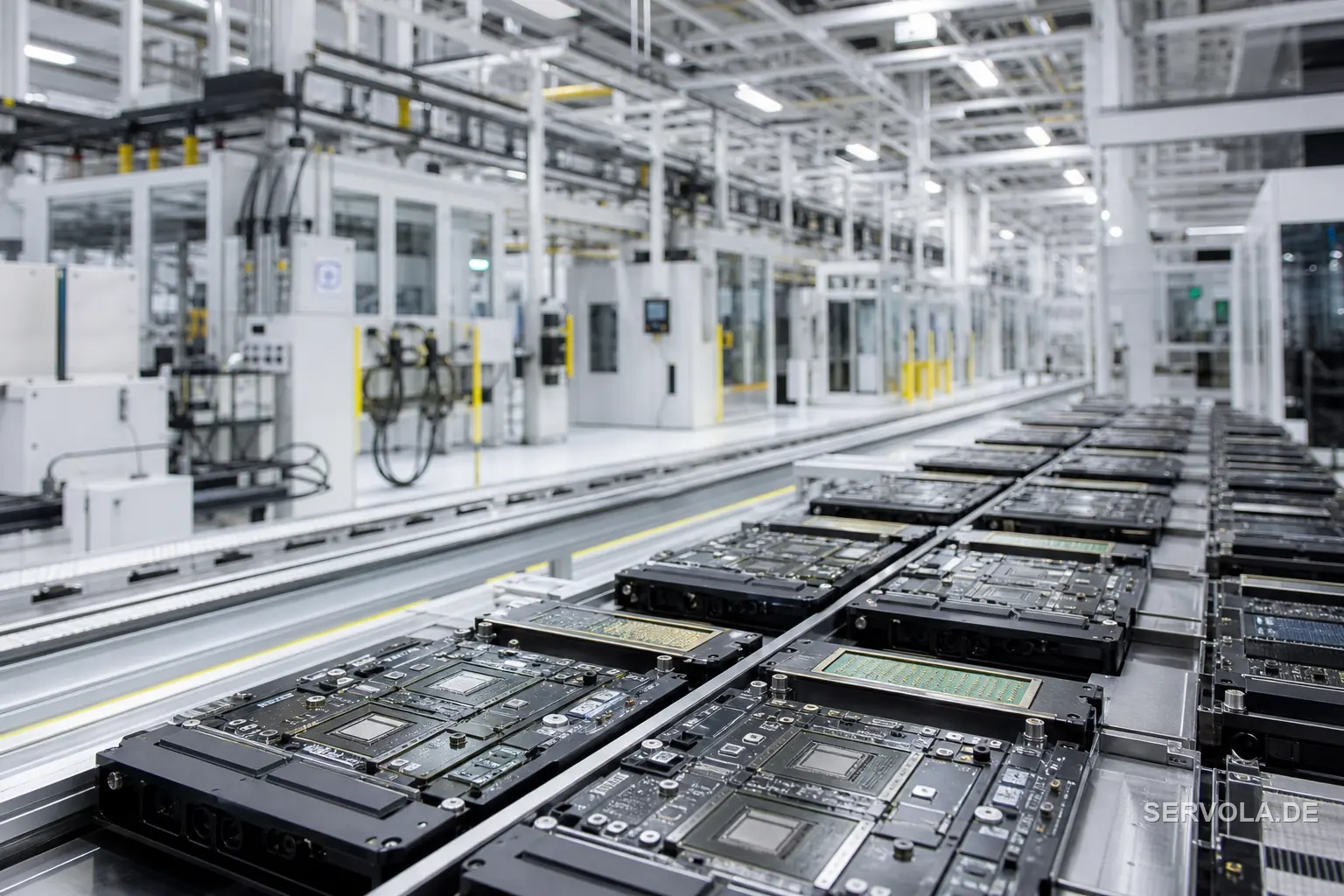
The AI boom no longer stops at the data center door. Memory and storage are the shared raw material of every computer, and the industry has spent 2026 pouring it into AI servers. TrendForce reported that contract prices for standard DRAM rose about 58 to 63 percent quarter on quarter in the second quarter, and NAND flash climbed 70 to 75 percent, as suppliers reallocated capacity toward high bandwidth memory and server parts for AI inference.
When the same chips that go into a phone or a laptop are diverted to answer AI queries, the shortage lands on the shelf. TrendForce noted that smartphone brands are already adjusting production plans and that notebook and gaming demand is weighed down by the cost. Memory used to be a small line in a device, but DRAM and NAND now make up more than a fifth of a typical notebook bill of materials, up from a tenth to a sixth before the surge.
Two speeds: your cart feels it differently than a hyperscaler
Here is the part most coverage misses. A hyperscaler buying memory for AI inference is price insensitive. It signs long term agreements and pays what the workload needs, which is why the memory market is on track to nearly double to around 889 billion dollars in 2026 on the back of that demand. A family buying a laptop is the opposite. When the price crosses a threshold, the sale simply does not happen.
So the same shortage shows up in two different ways. In the data center it looks like higher prices and secured supply. In the consumer market it looks like thinner configurations, fewer storage options, delayed launches, and buyers trading down. Handheld makers have already felt it: one European favorite, Ayaneo, paused preorders on a new device over component costs, and smaller makers raised prices in early July as memory kept climbing.
What it costs you, in numbers
The numbers are concrete. Gartner estimates memory prices could rise around 130 percent by the end of 2026, pushing average PC prices up about 17 percent and smartphone prices up about 13 percent against 2025. Major vendors including Lenovo, Dell, HP, Acer and Asus have warned of device price increases in the range of 15 to 20 percent in the second half of the year.
Put that in fleet terms. A standard business laptop with 16 gigabytes of memory costs roughly 30 to 40 euros more just to build in 2026 than a year earlier, before margin. Multiply that across a refresh of a few hundred machines and the memory line alone reshapes the budget. Gartner expects the affordability wall to bite, with worldwide PC shipments down about 10 percent and smartphones down about 8 percent this year.
What to do before the next refresh
For an operator the lesson is not panic, it is timing. Treat the next device refresh as a dated budget decision rather than a routine renewal. Lock configurations and volumes now through a framework agreement so a mid year price move does not land on an open order, and standardize on fewer models so you buy memory in bulk rather than at retail.
Then stretch what you own. Extend and repair capable machines through the peak, and resist the reflex to over specify memory you will not use while it is this expensive. The uncomfortable truth is that an AI buildout you never signed up for is now priced into every laptop and phone you buy for your team. You cannot change the market, but you can decide when and how you meet it.
Read next: The Memory Shock That Hit Xbox Just Hit Samsung | Memory Prices Did What the Note 7 Could Not