The Trick Is the Insurance Code, Not the Chip
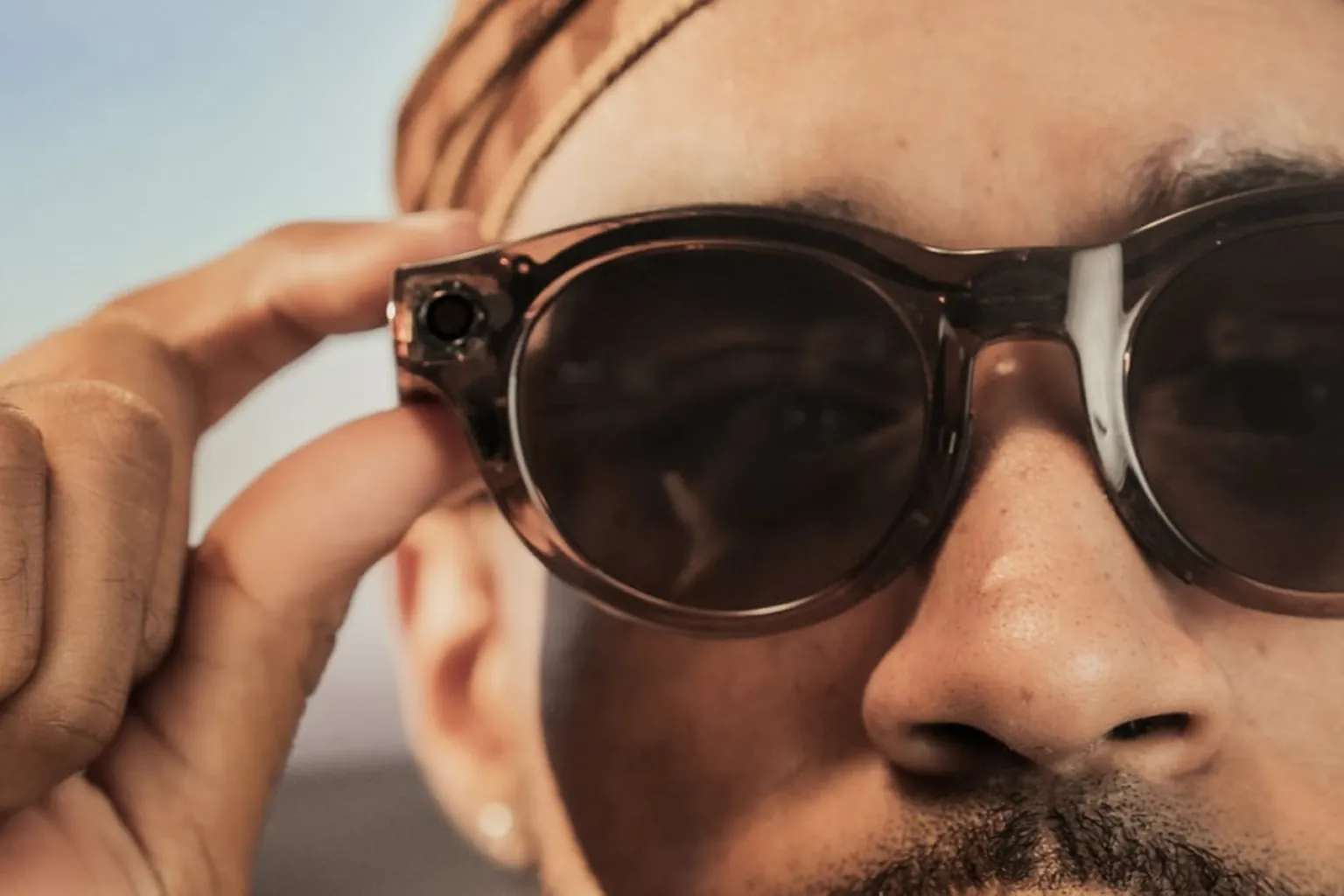
Legato came out of stealth this week with $12 million from Neotribe Ventures, Listen and Village Global, and a product called Legato Frames: ordinary-looking eyeglasses with a hearing aid built into the arms. The founders, Mehul Trivedi and Steve Romine, both spent years building hearing hardware at Bose, and Trivedi later ran smart-eyewear work at EssilorLuxottica, including the Meta Ray-Ban line. Their engineering pitch is a dual-speaker system that cancels 99 percent of the sound it emits before it reaches anyone else's ear, using AI to isolate a voice from background noise instead of the directional microphones older hearing aids rely on.
The more consequential decision is not in the audio processing. Legato has positioned Frames as a lifestyle eyewear product rather than a regulated medical device, sold through eye-care clinics and priced so it can be billed against vision insurance instead of the separate, thinner hearing-aid benefit most US health plans carry. That single classification choice does more to determine who buys this than any noise-cancellation number in the spec sheet.
Fifty Million People, One in Five Who Act
An estimated 50 million adults in the United States have some degree of hearing loss, and Legato's own figures put the treatment rate at roughly 20 percent. The 2022 FDA rule that created an over-the-counter hearing-aid category already removed the prescription requirement for mild-to-moderate loss, yet the take-up gap barely moved, because the remaining friction was never the paperwork. It was walking into an audiology clinic, paying out of pocket for a device that visibly signals impairment, and returning for fittings.
Legato's bet is that none of that changes by making the hardware smarter. It changes by making the purchase look like buying glasses: an optician visit already on a normal calendar, a vision-insurance card already in a wallet, and a frame that reads as fashion rather than diagnosis. If the bet is right, the AI is a feature; the distribution channel is the product.
The Same Insurance Trick Does Not Travel
The channel-arbitrage that makes Frames affordable in the United States runs into a different structure the moment it crosses into major European markets, where hearing care is generally bundled into statutory or national health coverage rather than left to a private vision-versus-medical split.
| Market | Who dispenses a hearing aid | How it is usually paid for |
|---|---|---|
| Germany | Certified Hoerakustiker (hearing-care professional) | Statutory health insurance (GKV) covers a base device at a fixed rate |
| France | Audioprothesiste, prescription required | The 100% Santé reform gives a zero-cost basic hearing aid class since 2021 |
| United Kingdom | NHS audiology service or a registered private dispenser | NHS-supplied aids are free at the point of use |
An eyewear-billed device like Frames would need a genuinely new distribution deal in each of those markets, not a repeat of the US insurance-code choice, because the audiologist is not a bottleneck being routed around, it is the entry point the reimbursement is built on.
The Exam You Skip Is the Real Cost
An audiology visit does more than fit a device. It screens for sudden hearing loss, middle-ear infection, tumors and other treatable or urgent causes that a self-selected, optician-fronted purchase has no mechanism to catch. Routing a hearing intervention through a vision-insurance channel and a non-audiologist retailer trades that screening step for convenience, and the buyer who feels their hearing has quietly improved has no structural reason to ever find out why it was failing in the first place.
Frames is not an isolated case. Consumer electronics are becoming the entry point for health interventions once gated by a clinician, from blood-pressure estimates on a smartwatch to glucose patches sold without a prescription. Each one moves the first contact with a health condition from a clinic to a retail shelf, and the convenience is real. So is the missing gatekeeper.
Read next: Oura's IPO Values A Health Ring At $16 Billion | Apple Called Vision Pro a Long Journey the Week Its Sequel Stalled