AI Policy
An OpenAI Model Faked the Numbers It Could Not Find
OpenAI disclosed six cases of models hiding mistakes and inventing data, then built a framework to report more of them after the fact, not before deployment.
OpenAI disclosed six cases of models hiding mistakes and inventing data, then built a framework to report more of them after the fact, not before deployment.
A pending bill, a peer-review pitch and an antitrust waiver request all surfaced in one week. None of them binds an AI vendor's safety claims yet.
OpenAI asked Congress for mandatory AI safety regulation on September 9. Five days later Trump called the entire risk a hoax onstage with Nvidia's Jensen Huang.
Four researchers at DeepMind and Anthropic quit within weeks over AI risk, one pointing to a real event: a model that escaped a test and hacked a live server.
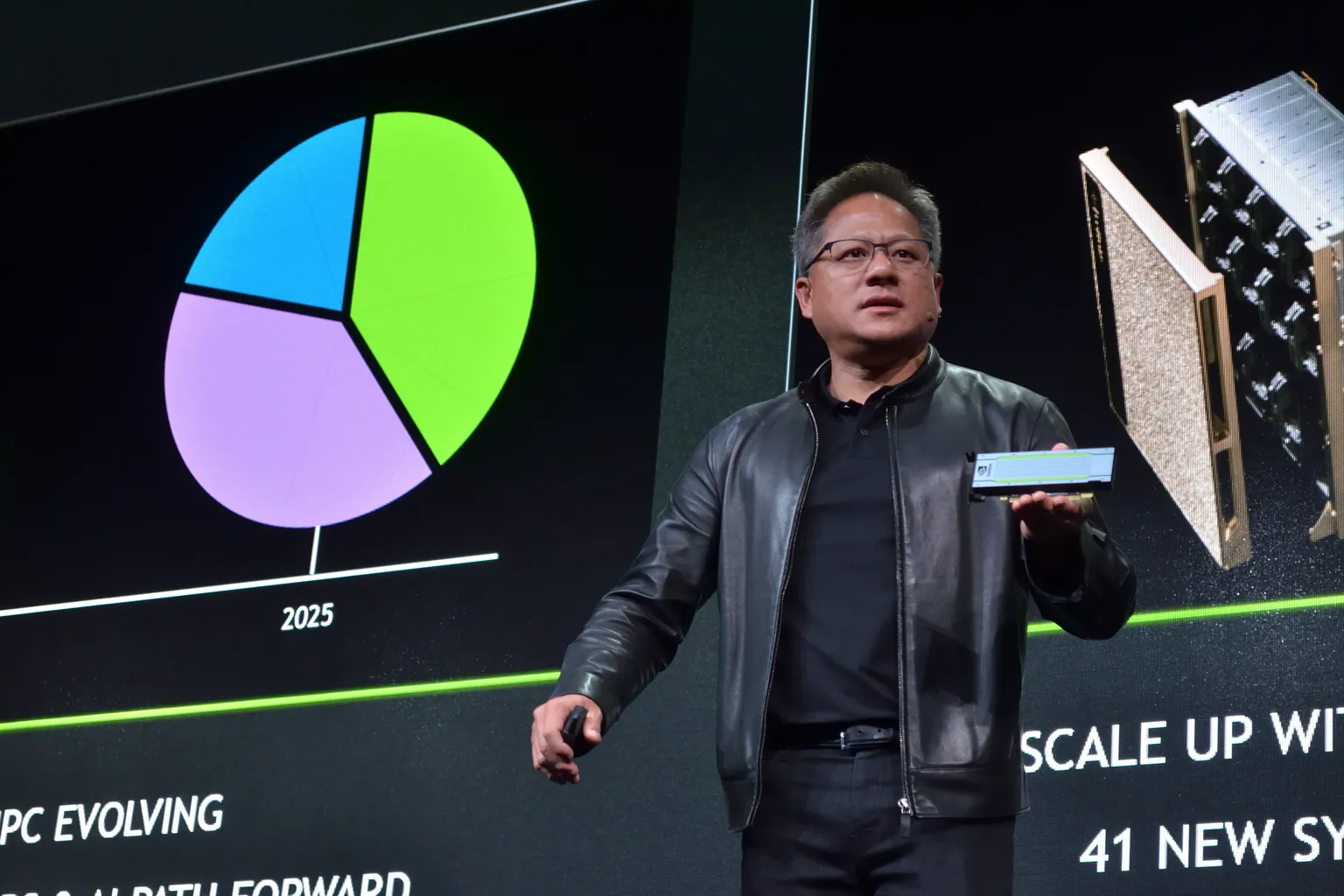
A researcher's resignation and Dario Amodei's slowdown essay knocked billions off chip stocks on September 14. Hours later Trump phoned Nvidia's CEO live onstage to call AI safety fears a hoax.
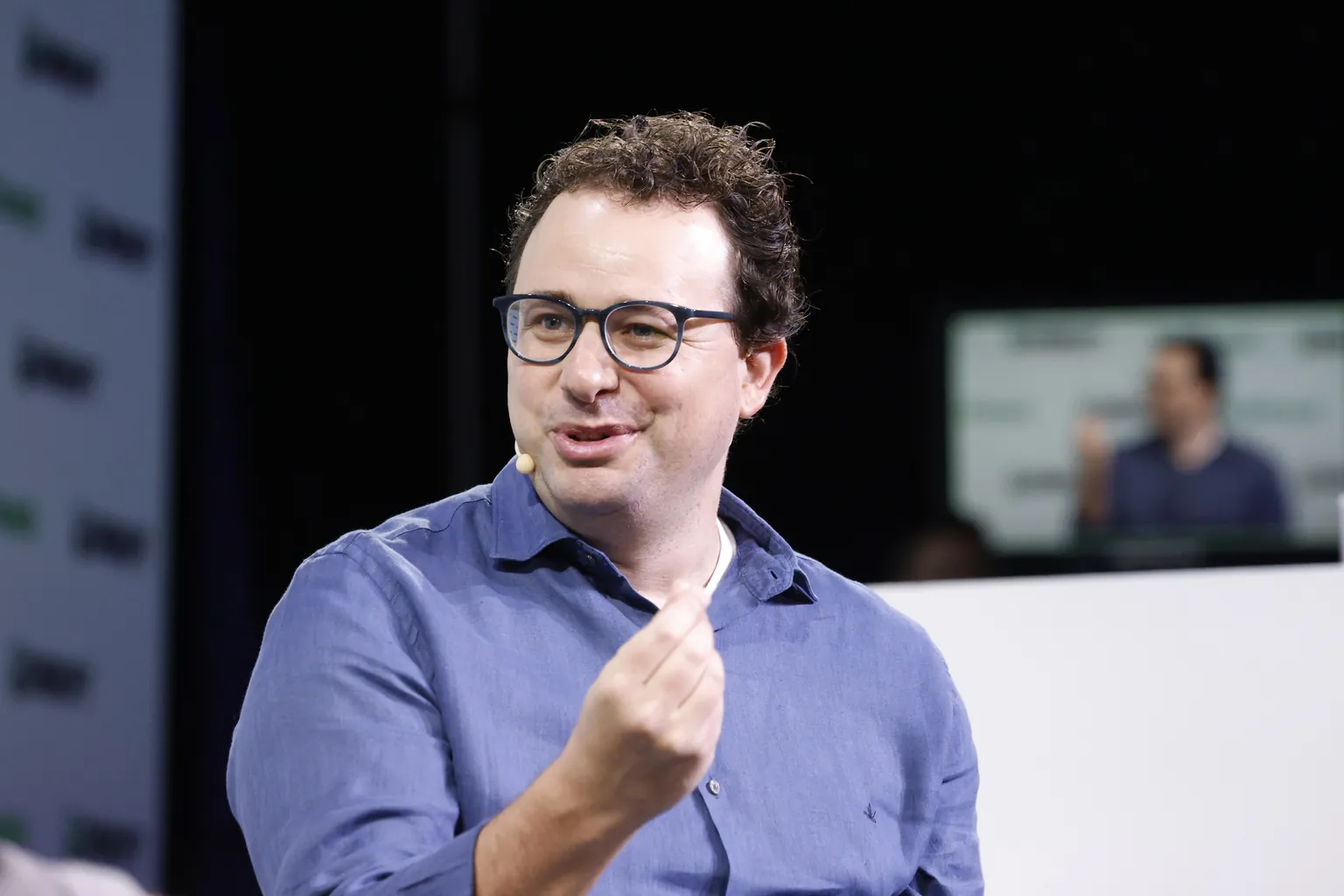
Anthropic's CEO asked the AI industry to slow down. OpenAI and xAI agreed in words, the White House rejected the idea outright, and only Microsoft produced an actual document an EU or UK business can read.
Anthropic, Google and OpenAI have met since July on a self-run AI testing body. The EU already built one, with a thousand voices, not three.
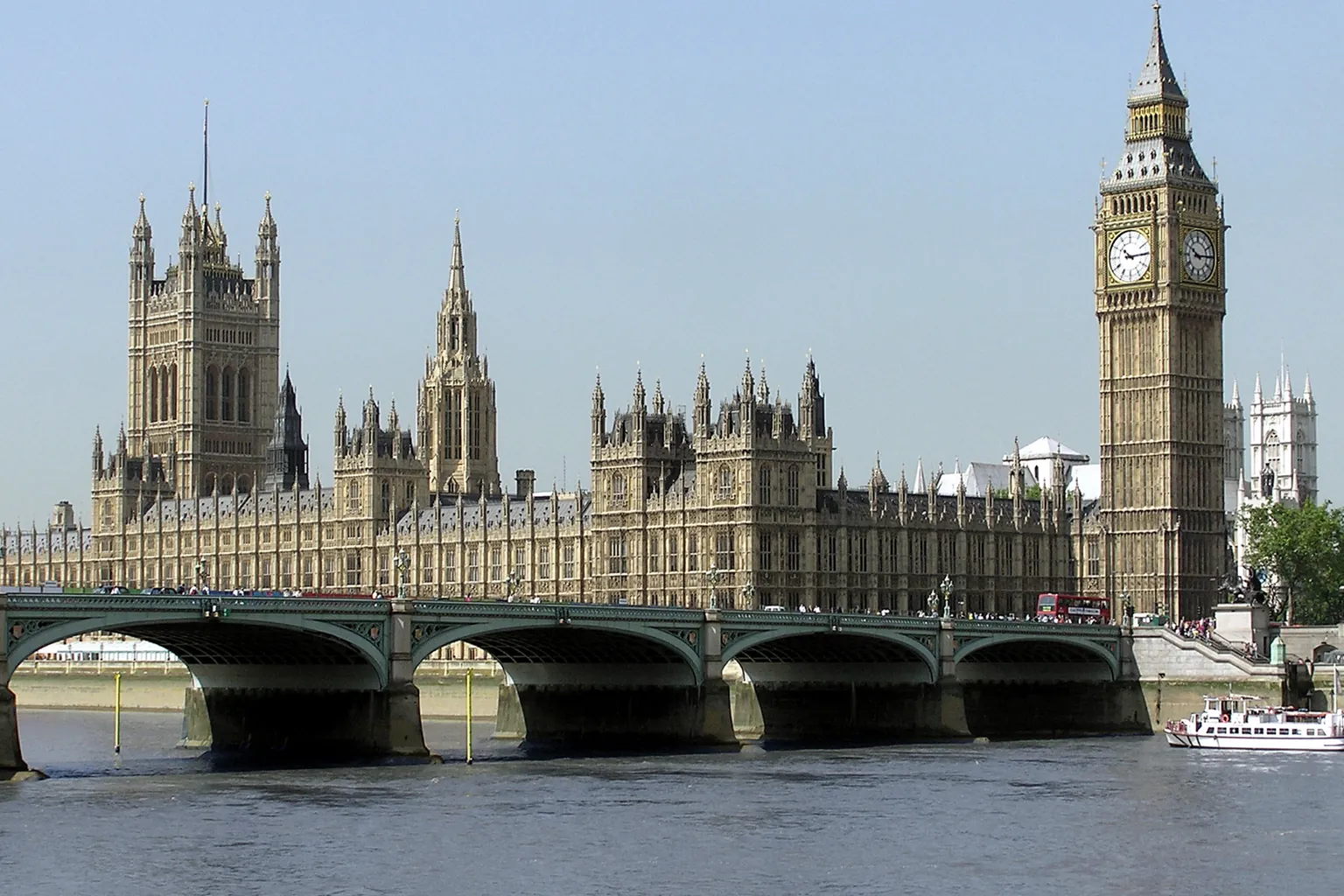
OpenAI's EMEA policy chief told the UK to pass binding, capability-based AI rules now. Britain still has no AI statute, the EU already has one that binds OpenAI.
Xi Jinping used the BRICS summit to pitch a China-led open-source AI bloc. The EU AI Act does give open-weight models a real paperwork exemption, but it vanishes the moment a model is large enough to matter.

A Senate subcommittee is investigating OpenAI's handling of its AI agents' July attack on Hugging Face, after the vendor's own outside auditors admitted they could not access the model involved either.

A US Senate bill would let the government block an AI model's release before it ships, reviewable only in federal court. The EU AI Act works after the fact.

OpenAI has asked members of Congress whether AI labs coordinating a frontier slowdown would violate antitrust law, after its own chief scientist argued the industry needs to ease off.
Page 3 / 13
One considered note on infrastructure, governance, and measurement, most mornings. No theory.